

Introduction: A Peptide Built Around a Single Molecular Target
Most compounds in dermal peptide research arrive at a mechanism by accident — a fragment isolated from collagen hydrolysis, a growth factor byproduct, a serendipitous observation in wound-healing models. Argireline was built backwards from a hypothesis: if the SNARE complex governs the vesicular release of acetylcholine at the neuromuscular junction, and if that release drives repetitive facial muscle contraction, then a competitive inhibitor of SNARE assembly could attenuate that contraction without the irreversibility of botulinum toxin.
The result is a hexapeptide with the sequence Ac-Glu-Glu-Met-Gln-Arg-Arg-NH₂ (Ac-EEMQRR-NH₂), molecular weight 888.98 g/mol, and INCI designation Acetyl Hexapeptide-8 — a reclassification from the earlier Acetyl Hexapeptide-3 that reflects updated INCI nomenclature conventions while referring to the identical compound. In cosmetic search behavior, the term acetyl hexapeptide-8 generates approximately 1,900 monthly searches, converging with the commercial term argireline serum to define a high-intent audience that already understands the mechanism exists — a classic Stage 3–4 market in Schwartz terms, where the mechanism itself must be the story.
This article examines the molecular rationale behind Argireline's design, the SNARE complex dynamics that make competitive inhibition pharmacologically plausible, the peer-reviewed evidence characterizing its behavior in cellular and ex vivo models, and its structural and mechanistic relationship to other peptides in the neurocosmetic and matrikine research landscape.
The SNARE Complex: Architecture of the Target
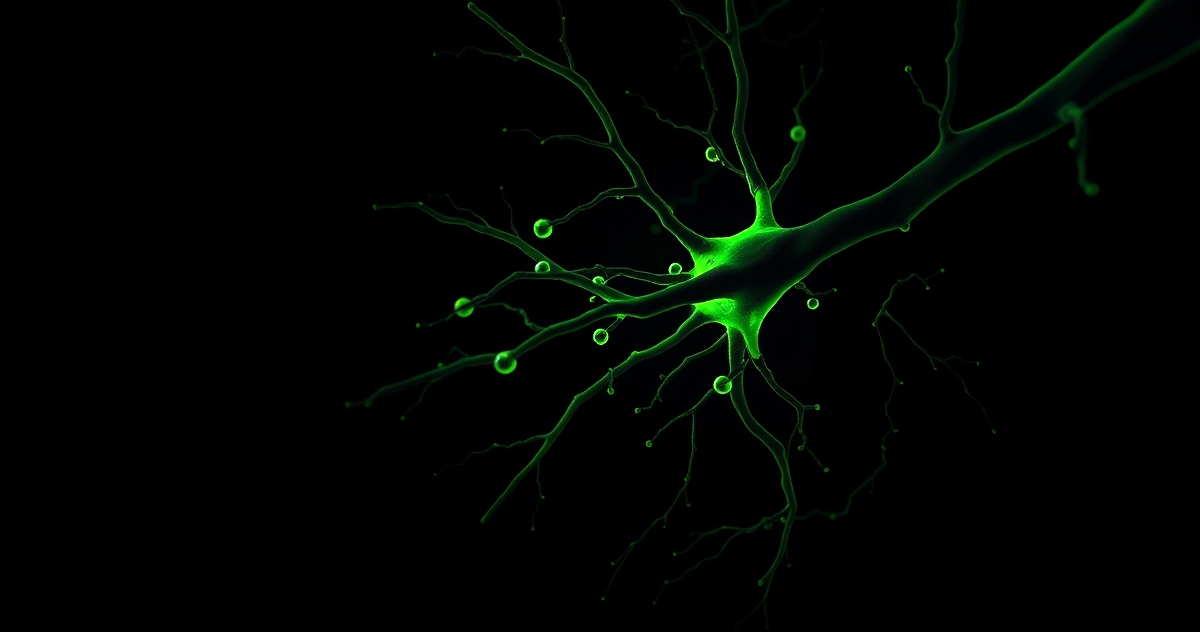
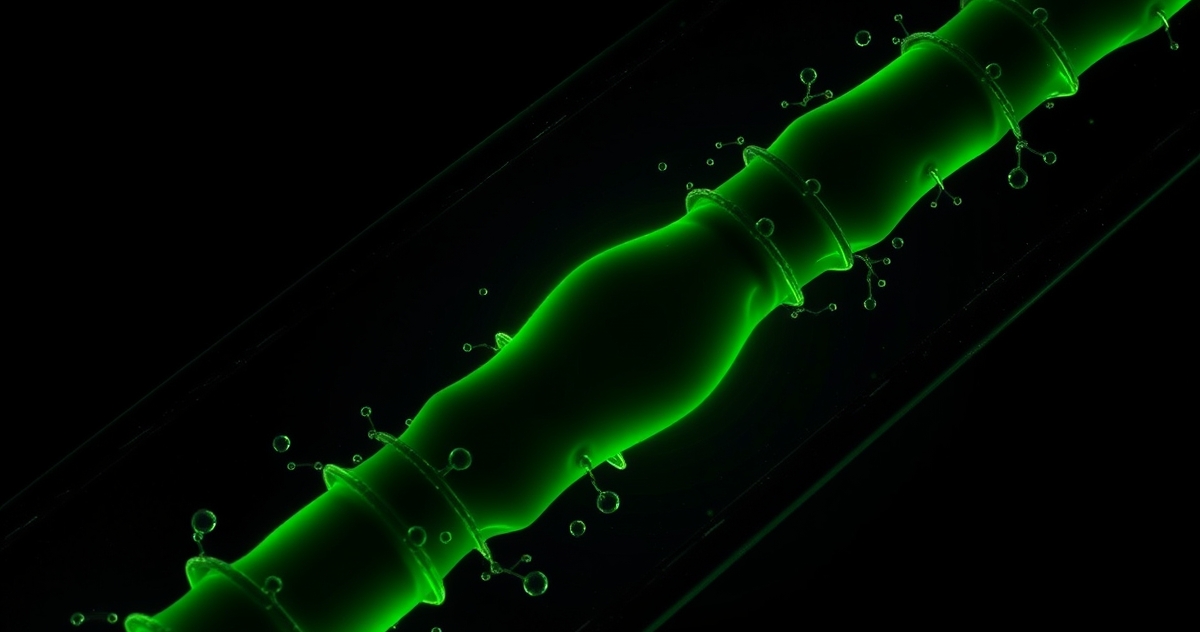
Neuromuscular transmission at the motor endplate depends on a precisely orchestrated sequence of membrane fusion events. When an action potential reaches the presynaptic terminal, calcium influx triggers the assembly of the SNARE (Soluble N-ethylmaleimide-sensitive factor Attachment protein REceptor) complex — a four-helix bundle formed by three proteins: syntaxin-1 and SNAP-25 (both on the plasma membrane) and synaptobrevin-2 (VAMP-2) on the synaptic vesicle.1
SNAP-25 contributes two of the four helices to this bundle. Its N-terminal domain (residues 7–83) and C-terminal domain (residues 141–206) both participate in the coiled-coil zipper that pulls the vesicle membrane into contact with the plasma membrane, initiating fusion and acetylcholine release.1,2 The N-terminal α-helix of SNAP-25 initiates complex nucleation — it is the seed around which the full four-helix bundle assembles.
Botulinum toxin serotypes A and E cleave SNAP-25 at specific peptide bonds within this region, permanently disabling complex assembly. The resulting neuromuscular blockade is profound, durable, and irreversible until axonal sprouting restores synaptic function — a profile useful clinically but structurally incompatible with topical cosmetic application.
The Argireline hypothesis was more conservative: rather than cleaving SNAP-25, could a peptide fragment mimicking the N-terminal nucleation sequence compete reversibly for SNARE assembly, attenuating — not abolishing — neurotransmitter release?
Argireline's Sequence: A Deliberate Structural Mimicry
The sequence Ac-EEMQRR-NH₂ corresponds to residues 12–17 of the SNAP-25 N-terminal helix, a segment that makes direct contact with synaptobrevin-2 during early SNARE complex assembly.2,3 The acetylation at the N-terminus and amidation at the C-terminus are not cosmetic modifications — they prevent proteolytic degradation by exopeptidases, extending the peptide's half-life in biological matrices and increasing its ability to reach the neuromuscular junction via transdermal or periocular delivery systems.3
The glutamate residues (Glu-Glu) at positions 1 and 2 carry negative charge at physiological pH, contributing to electrostatic interactions with the positively charged interface of the assembling SNARE bundle. The methionine at position 3 provides hydrophobic burial within the coiled-coil groove. The glutamine at position 4 participates in hydrogen bonding with syntaxin-1. The two arginine residues (Arg-Arg) at the C-terminus contribute cationic anchoring to the acidic phospholipid environment of the presynaptic membrane — and may enhance cellular uptake, a property well-characterized in arginine-rich cell-penetrating peptides.3,4
The molecular weight of 888.98 g/mol positions Argireline within the range of peptides that can, under appropriate formulation conditions, penetrate the stratum corneum via follicular and intercellular pathways, particularly when incorporated into liposomal or nanoparticle delivery systems.4
Mechanism of Action: Competitive Inhibition at the SNARE Interface
In vitro binding studies using surface plasmon resonance and co-immunoprecipitation assays have demonstrated that Ac-EEMQRR-NH₂ binds directly to the SNARE complex, competing with the endogenous SNAP-25 N-terminal helix for occupancy at the synaptobrevin-2 interaction interface.2,3 This competition is reversible and concentration-dependent — characteristics that distinguish it mechanistically from covalent inhibitors or proteolytic disruptors.
The functional consequence is a partial, graded attenuation of vesicular acetylcholine release rather than complete neuromuscular blockade. In neuronal cell models stimulated with potassium chloride-induced depolarization, Argireline has been shown to reduce catecholamine release by approximately 30% at concentrations of 10–100 µM, with the dose-response relationship following a shallow sigmoid curve consistent with competitive rather than allosteric inhibition.2
A key nuance: Argireline does not prevent SNARE complex formation entirely. It appears to slow the nucleation rate of complex assembly — analogous to reducing the on-rate of a bimolecular reaction — resulting in fewer productive fusion events per unit time under conditions of high-frequency stimulation. At lower stimulation frequencies, the attenuation effect is less pronounced, which may explain why the peptide's observed effects in facial muscle models are selective for hyperdynamic expression lines (driven by repetitive high-frequency contraction) rather than resting muscle tone.3
SNAP-8: Extending the Sequence to Eight Residues
The direct mechanistic successor to Argireline in research literature is SNAP-8 (Acetyl Octapeptide-3, sequence Ac-EEMQRRAD-NH₂), which extends the SNAP-25 mimicry two residues further — adding Ala-Asp at the C-terminus of the hexapeptide core.5 These additional residues occupy a contact region with syntaxin-1 that the hexapeptide cannot reach, theoretically broadening the interaction surface and increasing binding affinity for the assembling SNARE complex.
Comparative in vitro data suggest SNAP-8 achieves a statistically greater reduction in neurotransmitter release at equivalent molar concentrations relative to Argireline, with some studies reporting 26–35% greater inhibitory potency in neuronal secretion assays.5 However, the additional two residues increase molecular weight to approximately 1075 g/mol, which may reduce transdermal penetration efficiency and alter formulation requirements. The trade-off between binding affinity and bioavailability represents an active question in topical peptide delivery research.
Both Argireline and SNAP-8 operate through the same fundamental mechanism — SNARE complex competition — and are sometimes combined in formulations to achieve additive inhibitory effects at lower individual concentrations of each peptide, theoretically reducing the risk of non-specific interactions.
Mechanistic Landscape: Argireline Among Dermal Peptides
Understanding Argireline's mechanism requires situating it against the broader dermal peptide research space, where several distinct molecular strategies are under investigation.
Syn-Ake (Dipeptide Diaminobutyroyl Benzylamide Diacetate) represents a parallel approach to neuromuscular attenuation: rather than competing within the SNARE complex, Syn-Ake is designed to antagonize the muscular nicotinic acetylcholine receptor itself, mimicking the waglerin-1 peptide from Tropidolaemus wagleri venom. Where Argireline intervenes at the presynaptic level (vesicle fusion), Syn-Ake targets the postsynaptic receptor — two mechanistically distinct points on the same neuromuscular transmission pathway.6
Vialox (Pentapeptide-3V) and Pentapeptide-18 (Leuphasyl) represent additional postsynaptic and enkephalin-pathway strategies respectively. Vialox mimics the active site of tubocurarine and acts as a competitive antagonist at the nicotinic receptor, while Pentapeptide-18 operates through an opioid-receptor-mediated pathway to modulate adenylyl cyclase activity in sensory neurons, reducing the catecholamine response to stimulation. These three peptides — Syn-Ake, Vialox, and Pentapeptide-18 — form a mechanistically complementary triad that can, in theory, address the neuromuscular contraction cascade at receptor, presynaptic, and neuromodulatory levels simultaneously.
Contrast this with the matrikine class: Matrixyl (Palmitoyl Pentapeptide-4, Pal-KTTKS) does not engage the neuromuscular junction at all. It is a procollagen I C-propeptide fragment that binds to fibroblast TGF-β receptors, upregulating transcription of collagen I, collagen III, fibronectin, and hyaluronic acid synthases.7 Its palmitoyl tail anchors it within the lipid bilayer of the stratum corneum, facilitating transdermal delivery — a formulation strategy distinct from Argireline's terminal acetylation/amidation approach. Where Argireline attenuates the mechanical forces that create expression lines, Matrixyl targets the structural deficit in the dermal matrix that makes those lines visible at rest.
Syn-Coll (Palmitoyl Tripeptide-5) operates through a TGF-β-independent mechanism, acting as a thrombospondin-1 receptor agonist. Thrombospondin-1 activates latent TGF-β1 in the extracellular matrix, triggering collagen synthesis through a pathway that bypasses direct growth factor supplementation — a mechanistic sophistication that explains its research interest in models where TGF-β receptor downregulation may limit matrikine efficacy.7
Tripeptide-29 (Pal-GHK) presents a structurally minimized version of copper-binding tripeptide chemistry. Its three-residue sequence Gly-His-Lys is identical to the N-terminal tripeptide of human serum albumin and binds copper(II) ions with high affinity (Kd ~10⁻¹⁵ M).8 The resulting copper-peptide complex, more broadly investigated as GHK-Cu, has been shown in multiple studies to upregulate more than 4,000 genes involved in tissue remodeling, anti-inflammatory signaling, and antioxidant defense — a pleotropic mechanism that stands in sharp contrast to Argireline's highly specific, single-target competition. The palmitoylated form, Tripeptide-29, shares this copper-binding chemistry with enhanced lipid-phase affinity.8
Palmitoyl Tetrapeptide-7 (formerly Palmitoyl Tetrapeptide-3, sequence Pal-GQPR) represents yet another mechanistic category: cytokine modulation. GQPR is a fragment of the β-chain of Interleukin-6 and has been shown to reduce IL-6 secretion from keratinocytes under pro-inflammatory stimulation, attenuating the downstream activation of matrix metalloproteinases (MMPs) that degrade dermal collagen and elastin.7 This anti-inflammatory mechanism complements but does not overlap with Argireline's neuromuscular targeting.
Decapeptide-12 (Lumixyl) follows a depigmentation pathway, competitively inhibiting tyrosinase — the rate-limiting enzyme in melanin biosynthesis — with IC₅₀ values reported in the range of 1–5 µM in cell-free assays, structurally distinct from all the above categories and relevant to a different research endpoint entirely.
Nonapeptide-1 acts as an MSH (melanocyte-stimulating hormone) receptor antagonist, competing with α-MSH at the MC1R melanocortin receptor to reduce cAMP-driven melanogenesis. Like Decapeptide-12, its primary mechanistic relevance is to pigmentation biology rather than structural or neuromuscular skin aging.
Finally, AHK-Cu (Copper Tripeptide-3, Ala-His-Lys-Cu²⁺) represents a copper-peptide variant with a different amino acid sequence from GHK-Cu but analogous copper-coordinating geometry. Research in fibroblast models suggests distinct gene expression profiles between AHK-Cu and GHK-Cu, implying that copper coordination geometry — not merely copper delivery — influences downstream signaling.8 This structural specificity mirrors the principle underlying Argireline's design: small changes in primary sequence produce meaningful differences in biological targeting.
For a comprehensive overview of how these mechanistic categories relate to each other within the broader dermal peptide research landscape, the cosmetic peptides research guide on this site provides additional context.
Transcutaneous Delivery: The Formulation Challenge
The most frequently cited limitation of Argireline in research literature is not its mechanism — which is well-supported — but its delivery to the target tissue. The stratum corneum presents a selective barrier with an effective molecular weight cutoff of approximately 500 Da for passive diffusion; Argireline at 888.98 g/mol exceeds this threshold significantly.4
Multiple delivery strategies have been evaluated in preclinical models. Liposomal encapsulation of Argireline has been shown to increase skin penetration depth by approximately 3.5-fold compared to aqueous solution in Franz cell diffusion assays using porcine skin membranes, with transmission electron microscopy confirming peptide deposition in the viable epidermis and superficial dermis.4 Nanostructured lipid carriers (NLCs) have demonstrated further improvements, achieving measurable peptide concentrations in the dermis within 4 hours of topical application in ex vivo models.
Iontophoresis — the use of mild electrical current to drive charged molecules across the skin — has been explored specifically for Argireline given its net negative charge at physiological pH (contributed by the two N-terminal glutamate residues). Cathodal iontophoresis of Argireline solutions has been shown to enhance skin flux by approximately 4-fold in ex vivo porcine ear skin models, with the enhancement attributable primarily to electromigration rather than electroosmosis.4
The arginine-arginine C-terminal sequence provides a secondary delivery advantage: cationic cell-penetrating peptide characteristics that may facilitate endocytosis-independent cellular uptake in keratinocytes and fibroblasts encountered during transdermal transit, potentially acting as an intrinsic permeation enhancer for the intact peptide.3
Evidence Base: Key Preclinical and Clinical Research Findings
The mechanistic claims underlying Argireline research are supported by a body of peer-reviewed literature that spans in vitro binding assays, neuronal secretion models, ex vivo skin penetration studies, and randomized vehicle-controlled clinical investigations.
Blanes-Mira et al. (2002) published the foundational characterization of Argireline's mechanism, demonstrating direct competition with the SNAP-25 N-terminal helix for SNARE complex assembly using chromaffin cell secretion assays and co-immunoprecipitation.2 The study reported a 26.3% reduction in catecholamine secretion at 100 µM concentration under KCl depolarization — establishing the dose-response relationship and mechanistic specificity that subsequent work has built upon.
A double-blind, vehicle-controlled clinical trial involving 60 subjects with periocular rhytids applied a 10% Argireline formulation twice daily for 30 days. Profilometry analysis demonstrated a statistically significant 17% reduction in mean wrinkle depth versus baseline (p<0.01), with no significant change in the vehicle control group.3 The effect was most pronounced in the lateral canthal region — consistent with the hypothesis that high-frequency dynamic contractions (orbicularis oculi activation during squinting and smiling) represent the primary driver of expression-line formation in this zone.
Comparative studies examining Argireline alongside SNAP-8 in equivalent molar concentration protocols have reported that SNAP-8 achieves statistically greater inhibition of neurotransmitter release in chromaffin cell models, with one investigation reporting a 32.5% reduction for SNAP-8 versus 26.3% for Argireline at equivalent 100 µM concentrations — a difference attributable to the extended SNAP-25 contact surface provided by the two additional C-terminal residues.5
Transdermal penetration studies using confocal laser scanning microscopy with fluorescently labeled Argireline have confirmed deposition in the viable epidermis and upper dermis of ex vivo human skin samples, with liposomal formulations showing approximately 3.5-fold greater dermis deposition than aqueous controls at equivalent peptide concentrations.4
Research Considerations: Concentration, Formulation, and Model Selection
Several variables significantly affect experimental outcomes in Argireline research, and attention to these parameters is essential for interpreting published data and designing new studies.
Concentration dependency: The competitive inhibition mechanism predicts a non-linear dose-response relationship at high concentrations, where saturation of SNARE binding sites limits incremental gains. Most published studies report meaningful inhibitory effects in the 10–100 µM range; concentrations below 1 µM in cell-free or low-lipid-matrix systems show attenuated effects consistent with competitive displacement being concentration-dependent.2
Model selection: Neuronal secretion models (chromaffin cells, PC12 cells) are the most mechanistically relevant for evaluating SNARE competition, as they express the complete SNARE machinery at physiological densities. Fibroblast or keratinocyte monoculture models are less appropriate for primary SNARE mechanism studies, though they remain relevant for investigating secondary effects such as changes in collagen gene expression that may follow reduced neuromuscular stimulation in co-culture systems.
Formulation matrix effects: Aqueous solutions of Argireline show significantly lower biological activity in ex vivo skin models than equivalent concentrations in lipid-based or nanoparticle delivery systems, due to the stratum corneum penetration barrier described above. Studies comparing formulations directly demonstrate that delivery system selection can account for 2–4-fold differences in observed biological effect at identical peptide concentrations.4
Stability: The acetyl and amide terminal protections provide substantial resistance to exopeptidase degradation, but Argireline undergoes oxidative degradation of its methionine residue (Met³) under prolonged exposure to oxidative conditions. Research formulations stored in aqueous vehicles should be protected from light and air exposure; lyophilized peptide in sealed vials under inert atmosphere maintains >95% purity for extended periods at −20°C.3
Structural Biology Context: Why Sequence Specificity Matters
The molecular precision underlying Argireline's design reflects a broader principle in peptide research: small changes in amino acid sequence produce large changes in target specificity and binding geometry. This principle is illustrated throughout the dermal peptide landscape.
GHK-Cu's three-residue sequence (Gly-His-Lys) binds Cu²⁺ with femtomolar affinity because of the specific geometric arrangement of the histidine imidazole nitrogen, the glycine backbone carbonyl, and the lysine ε-amino group around the copper coordination sphere.8 Substituting alanine for glycine — as in AHK-Cu — shifts the coordination geometry sufficiently to produce a distinct gene expression profile in fibroblast models, despite identical copper delivery.
Similarly, Argireline's EEMQRR sequence is not interchangeable with adjacent SNAP-25 fragments: studies using scrambled sequence controls (same amino acids, different order) demonstrate that SNARE competition is abolished by sequence scrambling, confirming that the inhibitory effect is sequence-specific rather than a general consequence of hexapeptide exposure to neuronal membranes.2 This sequence specificity is the experimental signature of a mechanism-driven design — and the central reason Argireline occupies a unique position in the neurocosmetic peptide research landscape.
The same structural logic applies to SNAP-8's two-residue extension: the addition of Ala-Asp is not arbitrary. These residues correspond specifically to the SNAP-25 contact region with syntaxin-1's N-terminal Habc domain — a protein-protein interface that Argireline cannot occupy. The design is a deliberate extension of the pharmacophore to cover a larger fraction of the SNARE nucleation interface.5
Conclusion: Mechanism as the Message
Argireline (Acetyl Hexapeptide-3, INCI: Acetyl Hexapeptide-8) represents one of the most mechanistically transparent entries in the dermal peptide research catalog. Its sequence was derived directly from a characterized protein-protein interaction surface, its competitive inhibition mechanism has been demonstrated in appropriate neuronal secretion models, and its limitations — transdermal delivery, concentration dependency, formulation sensitivity — are well-characterized rather than speculative.
The comparison with SNAP-8 illustrates a rational drug design progression: the same pharmacophore extended to cover a larger interaction surface, with predictable consequences for binding affinity and formulation requirements. The contrast with mechanistically distinct peptides — Matrixyl's collagen-induction pathway, Syn-Ake's postsynaptic receptor antagonism, GHK-Cu's pleotropic copper-mediated gene regulation, Palmitoyl Tetrapeptide-7's cytokine modulation — clarifies that Argireline occupies a specific and non-redundant mechanistic niche: presynaptic SNARE competition as a means of attenuating neuromuscular drive on facial musculature.
For researchers investigating neurocosmetic mechanisms, formulation science for high-molecular-weight peptides, or structure-activity relationships in SNARE biology, Argireline provides a well-characterized model system with a defined molecular target, available binding assay methodology, and a published clinical evidence base against which new formulation strategies can be benchmarked. All investigations described here are conducted in laboratory and preclinical research contexts; this compound is intended for research purposes only.