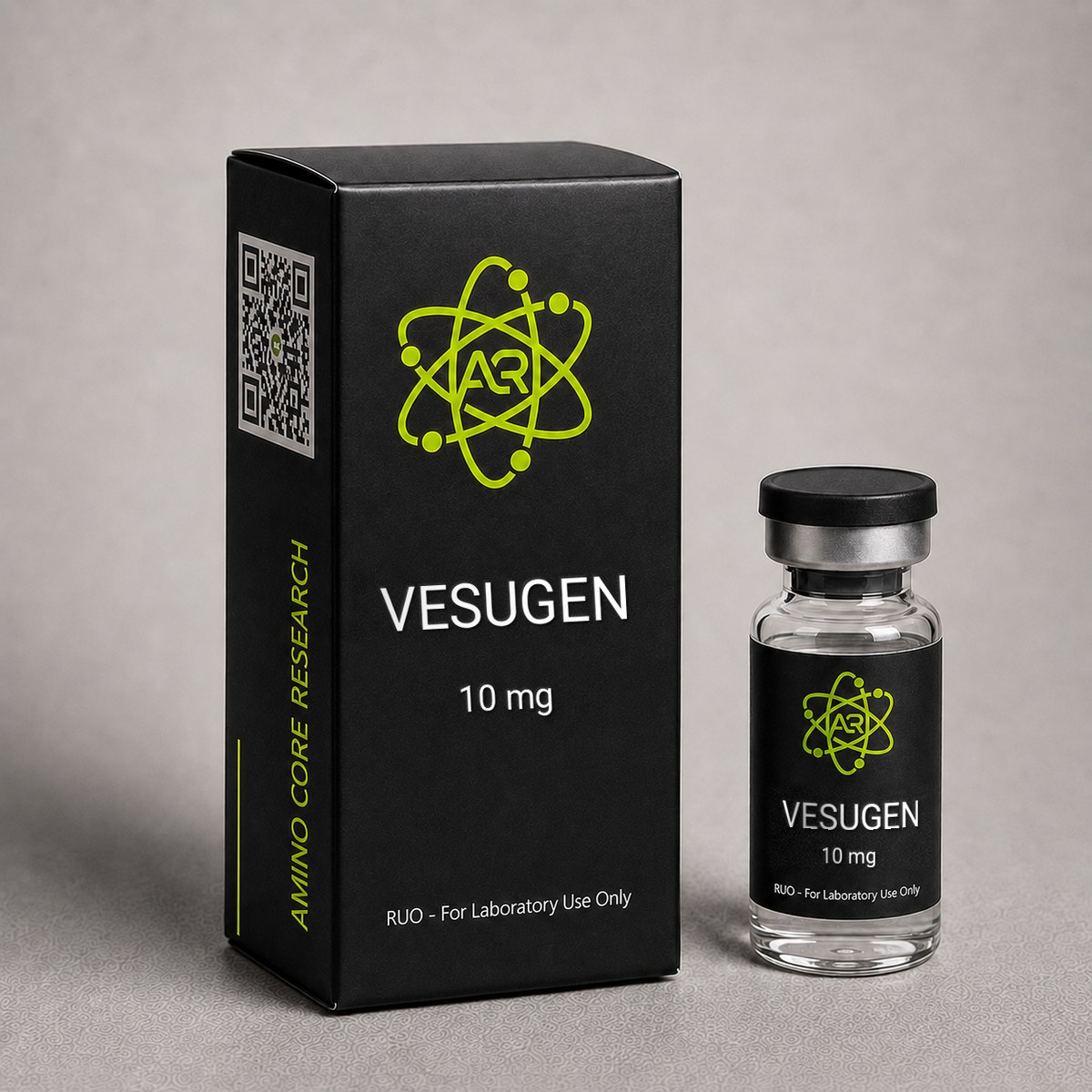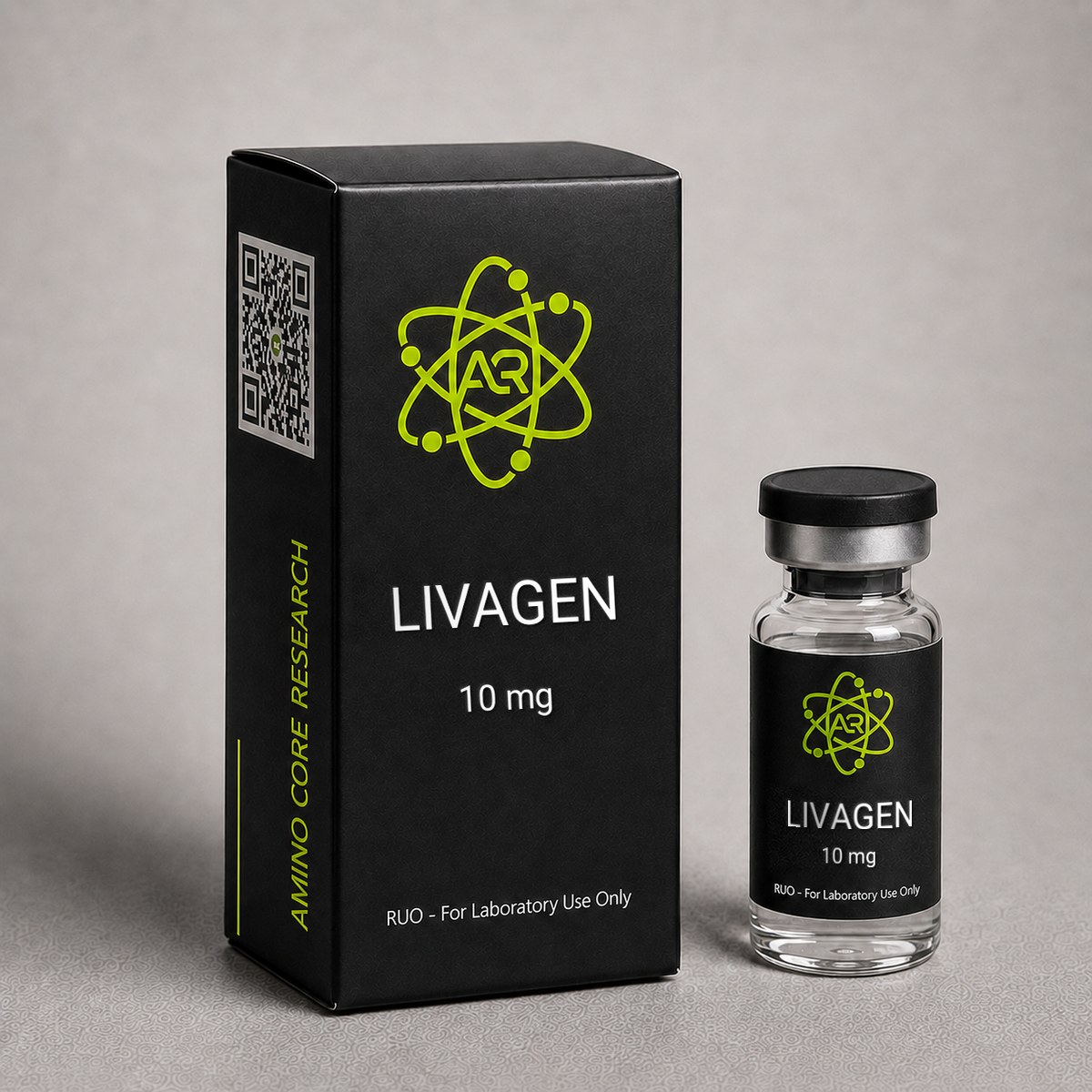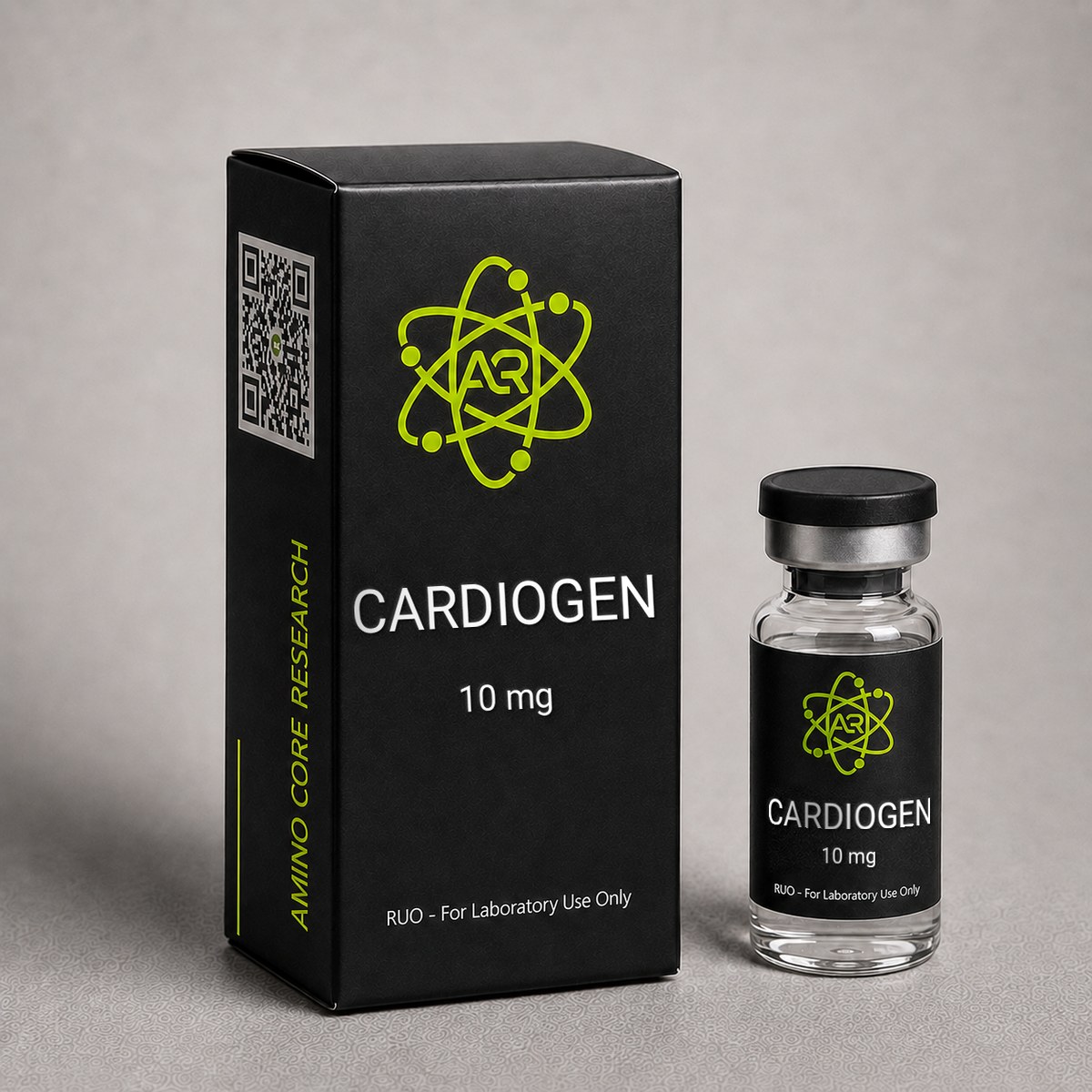
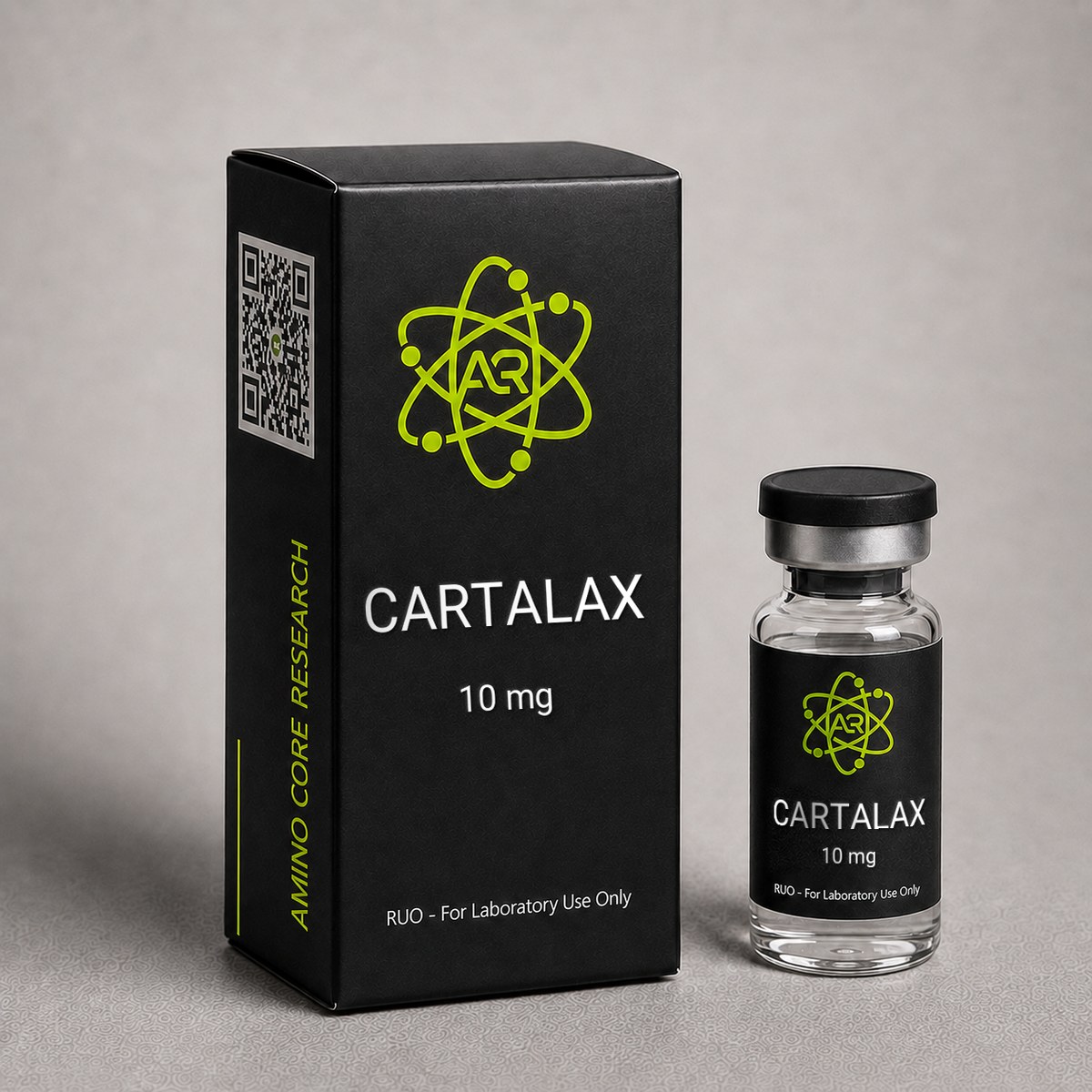
≥99%HPLC Purity
COAIncluded
USAShipped
Vesilute (Vesilut) Peptide
Part of the Peptide Bioregulators family · Urogenital
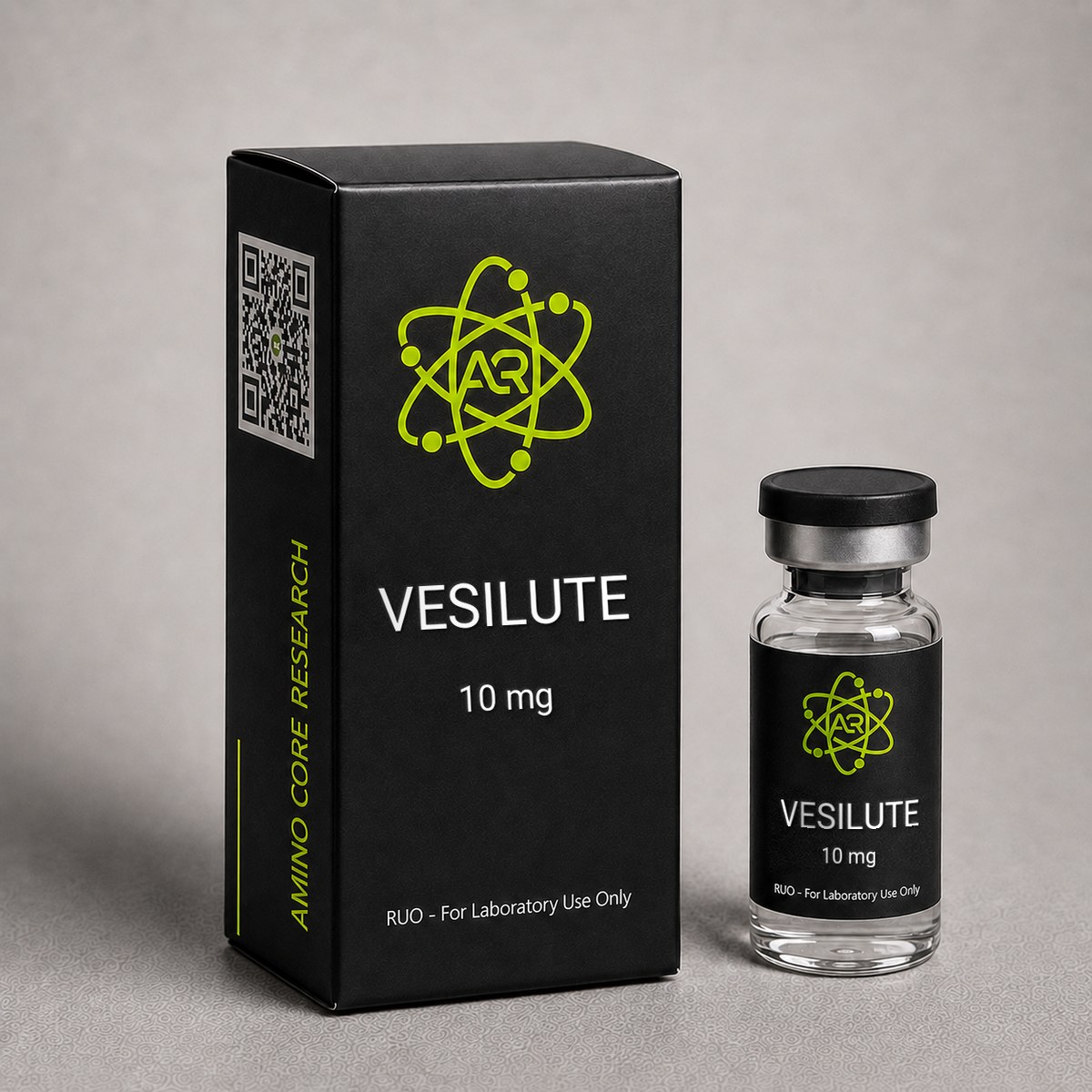
Vesilute (Vesilut), also written ED, is the dipeptide Glu-Asp from the Khavinson short-peptide family. Its Glu-Asp sequence also occurs within Prostamax (Lys-Glu-Asp-Pro). Supplied as lyophilized powder with a third-party certificate of analysis.
$32.00 – $51.00
In stock — ships next business day
Quick Facts
| SKU | VESL-001 |
|---|---|
| CAS Number | 98929-91-4 |
| Molecular Formula | C9H14N2O7 |
| Molecular Weight | 262.22 g/mol |
| Sequence | Glu-Asp (E-D) |
| Purity | ≥99% |
| Physical Form | Lyophilized Powder |
| Storage | Store at -20°C |
What is Vesilute (Vesilut)?
Vesilute, also known as Vesilut and often abbreviated as ED, is a synthetic dipeptide composed of L-glutamic acid and L-aspartic acid (Glu-Asp). With a molecular formula of C9H14N2O7 and a molecular weight of 262.22 g/mol, this short peptide belongs to the family of Khavinson short peptide bioregulators developed at the St. Petersburg Institute of Bioregulation and Gerontology in Russia. The compound has garnered research interest due to its position within the broader class of ultrashort peptides believed to influence tissue-specific gene expression and cellular homeostasis.
The Glu-Asp sequence itself is not an arbitrary construct — it forms a core motif embedded within the tetrapeptide Prostamax (Lys-Glu-Asp-Pro), a peptide historically associated with prostate tissue research within the Khavinson bioregulator framework. This structural relationship has led investigators to explore whether Vesilute may retain a subset of the biological activities attributed to its parent tetrapeptide, particularly those relating to genitourinary tissue signaling. The dipeptide is one of several ultrashort bioregulators (di-, tri-, and tetrapeptides) proposed by Khavinson and colleagues as templates for understanding peptide-DNA interactions.
Research significance for Vesilute lies primarily in its use as a model compound within the peptide bioregulator hypothesis, which posits that short peptides can penetrate cellular and nuclear membranes to interact directly with promoter regions of DNA, thereby modulating tissue-specific gene expression. While the peer-reviewed literature on Vesilute itself is more limited than for widely studied Khavinson peptides such as Epithalon (Ala-Glu-Asp-Gly) or Thymalin, the compound is frequently discussed in the context of urinary and prostatic tissue regulation studies conducted primarily by Russian research groups.
What distinguishes Vesilute from other short peptide bioregulators is its structural minimalism. As a dipeptide, it represents one of the shortest functional units within the Khavinson framework, providing investigators with a compact scaffold to probe structure-activity relationships. Comparative studies suggest that even di- and tripeptides retain the capacity to bind specific DNA sequences, and Vesilute is often used alongside related dipeptides (such as Lys-Glu, the Epithalon precursor motif) to dissect which residues are essential for observed bioregulatory effects. The compound is supplied as a lyophilized powder for laboratory research applications only.
Mechanism of Action
The proposed mechanism of action for Vesilute (Glu-Asp) is grounded in the peptide bioregulator hypothesis originally advanced by Khavinson and colleagues. Under this framework, ultrashort peptides such as Vesilute are believed to act through several complementary pathways involving direct nucleic acid interaction, epigenetic modulation, and tissue-specific gene expression regulation.
Direct Peptide-DNA Interaction: Molecular modeling and biophysical studies of Khavinson-family peptides suggest that short peptides can interact with specific base-pair sequences in double-stranded DNA via hydrogen bonding and electrostatic contacts within the major groove. Glutamic and aspartic acid residues, both acidic amino acids bearing carboxylic side chains, are proposed to form sequence-specific hydrogen bonds with guanine-cytosine and adenine-thymine pairs. This selective binding is hypothesized to influence promoter accessibility for specific genes involved in cellular differentiation and homeostasis.
Epigenetic Modulation: Short peptide bioregulators have been reported in preclinical studies to influence DNA methylation patterns and histone modifications, thereby affecting long-term gene expression programs. Vesilute, sharing the acidic Glu-Asp core, is postulated to participate in similar epigenetic effects, though direct experimental confirmation specific to this dipeptide remains limited compared to longer peptides like Epithalon.
Tissue-Specific Gene Expression: Because Vesilute derives its sequence from the prostatic tetrapeptide Prostamax, research has focused on whether the dipeptide can independently modulate genes associated with prostatic and urinary tract epithelial cells. Preclinical work with related bioregulators has documented shifts in the expression of genes governing proliferation, apoptosis, and inflammation in target tissues, with dose-dependent effects observed at nanomolar to micromolar concentrations.
Antioxidant and Cytoprotective Effects: The free carboxyl groups of Glu and Asp may also contribute to weak metal-chelating and antioxidant activity, a property observed for several small acidic peptides. Under this pathway, Vesilute could reduce oxidative stress markers in cellular models, though this represents a secondary rather than primary proposed mechanism.
Comparison to Related Bioregulators: Vesilute differs mechanistically from tetrapeptides like Epithalon (which is more strongly associated with telomerase activation) and from tripeptides like KE (Lys-Glu, sometimes called Vilon), which has been more extensively studied in immune contexts. Vesilute represents a simpler probe of the general Khavinson hypothesis: whether even minimal peptide sequences can retain sequence-specific regulatory activity. Research using Vesilute typically employs comparator peptides to distinguish generic amino-acid-supplementation effects from truly sequence-specific bioregulatory action.
Research & Clinical Studies
Khavinson Short-Peptide Research: Foundations for Vesilute (Glu-Asp)
Vesilute (Glu-Asp, ED) belongs to the family of ultrashort regulatory peptides characterized by V.Kh. Khavinson and colleagues at the St. Petersburg Institute of Bioregulation and Gerontology. This research program, spanning more than four decades, has systematically evaluated di-, tri-, and tetrapeptides derived from tissue-specific bioregulators (cytomedines) originally isolated from organs such as the pineal gland, thymus, prostate, and liver. Glu-Asp corresponds to an internal fragment of the tetrapeptide Prostamax (Lys-Glu-Asp-Pro/KEDP), which has been the subject of prostate-focused preclinical investigations.
Peptide Regulation of Gene Expression
In a foundational review, Khavinson and Malinin (2005) summarized studies indicating that short peptides derived from tissue extracts can modulate gene transcription in a tissue-selective manner. In cell-free systems and cultured cells, peptides of 2-4 amino acids were reported to interact directly with DNA at specific sequence motifs, altering chromatin accessibility and influencing the expression of genes associated with proliferation, differentiation, and apoptosis. Vesilute (Glu-Asp) is one of several dicarboxylic dipeptides examined in this framework, alongside Livagen (Lys-Glu-Asp-Ala) and Vilon (Lys-Glu).
- Molecular target hypothesis: short peptides fit into the major groove of double-stranded DNA at CpG-rich promoter regions.
- Selectivity: individual dipeptides displayed differential effects on gene panels between tissues (thymocytes, hepatocytes, prostate epithelium).
- Downstream readouts: normalization of proliferation indices and apoptosis markers in aged animal tissues.
Cell Culture and Aged-Animal Models
Anisimov and Khavinson (2010) reviewed multiple rodent studies in which Khavinson-class peptides administered chronically at low doses were associated with normalization of age-related shifts in tissue homeostasis. Endpoints included restoration of proliferative activity in aged epithelium, modulation of oxidative-stress markers, and, for pineal-derived peptides such as Epitalon, extension of mean lifespan. Glu-Asp specifically has been described in Russian-language reports as part of the prostate-regulator series, with reported effects on prostate epithelial morphology in aged rats.
Position of Vesilute Within the Family
Compared with more extensively published members such as Epithalon (Ala-Glu-Asp-Gly) and Vilon (Lys-Glu), Vesilute has a smaller peer-reviewed footprint in the English literature, and much of the primary work appears in Russian journals and monographs. Investigators typically use it as a comparator dipeptide when dissecting which residues of Prostamax (KEDP) are responsible for observed prostate-directed effects, or as a probe for sequence-specific DNA interactions.
For research purposes, Vesilute is therefore best understood as a tool compound: a minimal Glu-Asp motif that allows investigators to test hypotheses about ultrashort-peptide/DNA interactions and tissue-selective gene modulation in the Khavinson paradigm.
[1] Khavinson VK, Malinin VV. Gerontological aspects of genome peptide regulation. Karger, 2005. Review of peptide-DNA interactions in short regulatory peptides.
[2] Anisimov VN, Khavinson VKh. Peptide bioregulation of aging: results and prospects. Biogerontology. 2010;11(2):139-149. PubMed ↗
Chemical & Physical Properties
| Full Name | Vesilute (Vesilut); L-glutamyl-L-aspartic acid |
|---|---|
| Synonyms | Glu-Asp, ED dipeptide, H-Glu-Asp-OH |
| Molecular Formula | C₉H₁₄N₂O₇ |
| Molecular Weight | 262.22 g/mol |
| Sequence | Glu-Asp (E-D) |
| Amino Acid Count | 2 |
| Origin / Developer | Khavinson short peptide family, St. Petersburg Institute of Bioregulation and Gerontology |
| Parent Peptide | Prostamax (Lys-Glu-Asp-Pro) contains the Glu-Asp core motif |
| Peptide Class | Ultrashort peptide bioregulator (dipeptide) |
| Physical Form | Lyophilized white to off-white powder |
| Solubility | Soluble in water and bacteriostatic water; sparingly soluble in most organic solvents |
| Isoelectric Point | Acidic (both residues bear carboxylic side chains) |
| Purity | ≥99% by HPLC |
| Storage | -20°C, protected from light and moisture |
| Documentation | Third-party certificate of analysis included |
The dipeptide Vesilute is characterized by its highly acidic nature, owing to two carboxylate-bearing side chains contributed by both glutamic and aspartic acid residues. This gives the molecule strong aqueous solubility across neutral and mildly alkaline pH but limits solubility in nonpolar solvents. The compound lacks disulfide bonds, aromatic residues, or oxidation-sensitive side chains (such as methionine or cysteine), making it comparatively stable to standard laboratory handling. Its low molecular weight and small size distinguish it from most peptide bioregulators supplied for research and result in relatively simple purification and characterization profiles. Structural verification is typically performed by mass spectrometry and reverse-phase HPLC.
Handling & Reconstitution Guidelines
Vesilute (Glu-Asp) is supplied as a lyophilized white powder. As a small, highly polar dicarboxylic dipeptide, it is readily soluble in aqueous buffers and does not require organic co-solvents for reconstitution. Standard aseptic technique should be observed throughout, and all handling should be performed in a certified laboratory setting by trained personnel using appropriate PPE.
Recommended Reconstitution Protocol
- Equilibrate the vial: allow the sealed lyophilized vial to reach room temperature (approximately 15-20 minutes) before opening to prevent moisture condensation on the powder.
- Select diluent: use bacteriostatic water for injection (0.9% benzyl alcohol) for solutions intended to be stored for more than 24 hours, or sterile water / phosphate-buffered saline (pH 7.2-7.4) for immediate-use preparations.
- Calculate concentration: for a 20 mg vial, adding 2 mL of diluent yields a 10 mg/mL stock solution. For a 5 mg/mL working solution, add 4 mL.
- Add diluent slowly: introduce the diluent down the inner wall of the vial rather than directly onto the peptide cake to minimize localized shear.
- Dissolve gently: swirl or roll the vial between the palms until the solution is clear. Do not shake or vortex vigorously, as mechanical agitation can promote foaming and denaturation of the peptide.
- Inspect and aliquot: the resulting solution should be clear, colorless, and free of visible particulates. For extended studies, prepare single-use aliquots to avoid repeated freeze-thaw cycles.
Compound-Specific Handling Notes
- pH sensitivity: Glu-Asp is a dicarboxylic dipeptide with two acidic side chains; neutral to slightly acidic aqueous vehicles (pH 5-7) are generally preferred. Strongly alkaline conditions may accelerate hydrolysis.
- No disulfide bonds or methionine: Vesilute contains only glutamic acid and aspartic acid, so it is not susceptible to disulfide scrambling or methionine oxidation. Standard antioxidants are not required.
- Filtration: if terminal sterile filtration is required, use a low-protein-binding 0.22 µm PVDF or PES filter and prime the filter with a small volume before collecting the working solution.
- Labeling: record concentration, diluent, date of reconstitution, and initials on the vial; segregate from clinical-use materials in accordance with institutional research policy.
All handling and downstream use of Vesilute must comply with local biosafety and research-use regulations. This product is supplied strictly for in vitro and preclinical laboratory research and is not intended for human or veterinary use.
Storage & Stability Information
Proper storage is critical to preserving the chemical integrity and biological activity of Vesilute (Glu-Asp). Although the dipeptide is chemically simpler than larger regulatory peptides, standard cold-chain and light-protection practices should be followed to maximize shelf life and ensure reproducible experimental results.
Lyophilized Powder
- Long-term storage: store the sealed lyophilized vial at -20°C in a manual-defrost freezer. Under these conditions, the peptide is expected to remain stable for at least 24 months from the date of manufacture.
- Short-term storage: refrigeration at 2-8°C is acceptable for up to 30 days prior to use.
- Transit: brief exposure to ambient temperature during shipping (up to 5-7 days) does not appreciably degrade the lyophilized peptide, as demonstrated for other Khavinson-class dipeptides.
- Environmental controls: keep vials in the original packaging, protected from direct light and moisture. A desiccant-containing secondary container is recommended for long-term freezer storage.
Reconstituted Solutions
- In bacteriostatic water: stable at 2-8°C for up to 28 days when prepared with sterile technique.
- In sterile water or PBS: use within 24-48 hours if refrigerated; longer-term storage requires aliquoting and freezing at -20°C or -80°C.
- Freeze-thaw: minimize freeze-thaw cycles by preparing single-use aliquots. Repeated cycling may promote peptide aggregation and gradual loss of activity even for small peptides.
Stability-Relevant Chemistry
Vesilute contains no cysteine (no disulfide bridges), no methionine (no oxidation-prone thioether), no tryptophan (no photo-oxidation), and no N-terminal glutamine (no pyroglutamate formation). The primary chemical liabilities are potential slow hydrolysis of the peptide bond under strongly acidic or alkaline aqueous conditions and hygroscopic uptake of moisture by the lyophilizate. Both risks are effectively mitigated by frozen storage of the sealed vial and by neutral-pH aqueous vehicles for working solutions.
Quality Assurance
Each lot of Vesilute supplied by AminoCore Research is accompanied by a third-party certificate of analysis reporting HPLC purity, mass-spectrometric identity confirmation, and appearance. Investigators are encouraged to retain the COA with their laboratory records and, for long-term studies, to periodically re-verify purity by HPLC on stored material.
Frequently Asked Questions
What is Vesilute (Vesilut) and what is its structure?
Vesilute, also written as Vesilut or ED, is a synthetic dipeptide composed of L-glutamic acid and L-aspartic acid (Glu-Asp). It has a molecular formula of C9H14N2O7 and a molecular weight of 262.22 g/mol. Vesilute belongs to the Khavinson family of short peptide bioregulators developed at the St. Petersburg Institute of Bioregulation and Gerontology. Its Glu-Asp sequence forms the internal core of the tetrapeptide Prostamax (Lys-Glu-Asp-Pro), which has been associated with prostatic and urinary tissue research. Vesilute is supplied as a lyophilized powder for laboratory investigation only.
How does Vesilute compare to Prostamax and other Khavinson peptides?
Vesilute (Glu-Asp) represents the internal dipeptide core of Prostamax (Lys-Glu-Asp-Pro), a tetrapeptide bioregulator historically studied in the context of prostatic tissue. While Prostamax has an established position in Russian bioregulator literature, Vesilute is used as a shorter structural probe to determine which residues drive observed activity. Compared with other Khavinson peptides like Epithalon (Ala-Glu-Asp-Gly), which emphasizes telomerase and pineal-related research, or Vilon (Lys-Glu), which has been investigated in immune contexts, Vesilute serves as a minimal acidic dipeptide model for testing the sequence-specific peptide-DNA interaction hypothesis.
What is the molecular weight and formula of Vesilute?
Vesilute has a molecular formula of C9H14N2O7 and a molecular weight of 262.22 g/mol. Its sequence is Glu-Asp (single-letter code: E-D), consisting of two acidic amino acid residues joined by a single peptide bond. Because both residues bear carboxylic side chains, the molecule is highly water-soluble and exhibits an acidic isoelectric point. AminoCore Research supplies Vesilute at ≥99% HPLC purity with a third-party certificate of analysis confirming identity and purity.
How should Vesilute be stored in the laboratory?
Lyophilized Vesilute should be stored at -20°C in a sealed container protected from light and moisture for long-term stability. Short-term storage at 2-8°C is acceptable for several weeks. Once reconstituted in bacteriostatic or sterile water, Vesilute solutions should be kept refrigerated at 2-8°C and used within approximately 2-4 weeks, depending on sterile handling. Because the peptide lacks methionine, cysteine, or aromatic residues, it is not particularly susceptible to oxidation, but repeated freeze-thaw cycles should still be avoided. All handling should occur in a clean laboratory environment for research purposes only.
Is Vesilute (Glu-Asp) related to Prostamax and what makes it distinct?
Yes. Vesilute is the dipeptide Glu-Asp (ED), which corresponds to the internal two-residue fragment of Prostamax, a tetrapeptide with the sequence Lys-Glu-Asp-Pro (KEDP) from the Khavinson short-peptide family. Prostamax has been studied in Russian preclinical work as a prostate-directed bioregulator, and Vesilute is often used as a minimal-motif comparator to probe which residues drive the tetrapeptide's activity. Structurally, Vesilute is distinct in that it lacks the basic N-terminal lysine and the C-terminal proline of Prostamax, giving it a purely dicarboxylic character (two acidic side chains) and a much lower molecular weight of 262.22 g/mol.
What research applications is Vesilute (Vesilut) typically used for?
Vesilute is used in preclinical and in vitro research as a tool compound within the Khavinson ultrashort-peptide paradigm. Reported applications include studies of sequence-specific peptide-DNA interactions, evaluation of gene-expression modulation in cultured cells, and comparative structure-activity work alongside related peptides such as Vilon (Lys-Glu), Livagen (Lys-Glu-Asp-Ala), and Prostamax (Lys-Glu-Asp-Pro). It is also used in aged-rodent tissue models exploring proliferation and apoptosis endpoints. AminoCore Research supplies Vesilute strictly for laboratory research; it is not intended for human or veterinary use.
Does Vesilute require any special handling due to its amino acid composition?
Vesilute has a favorable stability profile because it contains only glutamic acid and aspartic acid. It has no cysteine (no disulfide bridges to protect), no methionine (no oxidation-prone thioether), no tryptophan (no photo-oxidation risk), and no N-terminal glutamine (no pyroglutamate formation). Standard precautions still apply: store the lyophilized powder at -20°C, reconstitute in neutral-pH aqueous vehicle, avoid vigorous shaking, and minimize freeze-thaw cycles of working solutions. Strongly alkaline conditions should be avoided as they can accelerate peptide-bond hydrolysis.
What purity specification and documentation does AminoCore Research provide for Vesilute?
Vesilute supplied by AminoCore Research is manufactured to a specification of ≥99% purity by HPLC and is provided as a lyophilized white powder. Each lot ships with a third-party certificate of analysis (COA) that documents HPLC purity, mass-spectrometric identity confirmation (consistent with the molecular weight of 262.22 g/mol and formula C9H14N2O7), and appearance. Investigators are encouraged to retain the COA with their laboratory records and to store the material at -20°C in the original sealed vial until use.
For laboratory and research use only. This product is not for human or veterinary use. It is not a drug, supplement or food.
This product is not FDA approved for any indication, and is not intended to diagnose, treat, cure, or prevent any disease. All product information is derived from published preclinical research and does not constitute medical advice or claims.