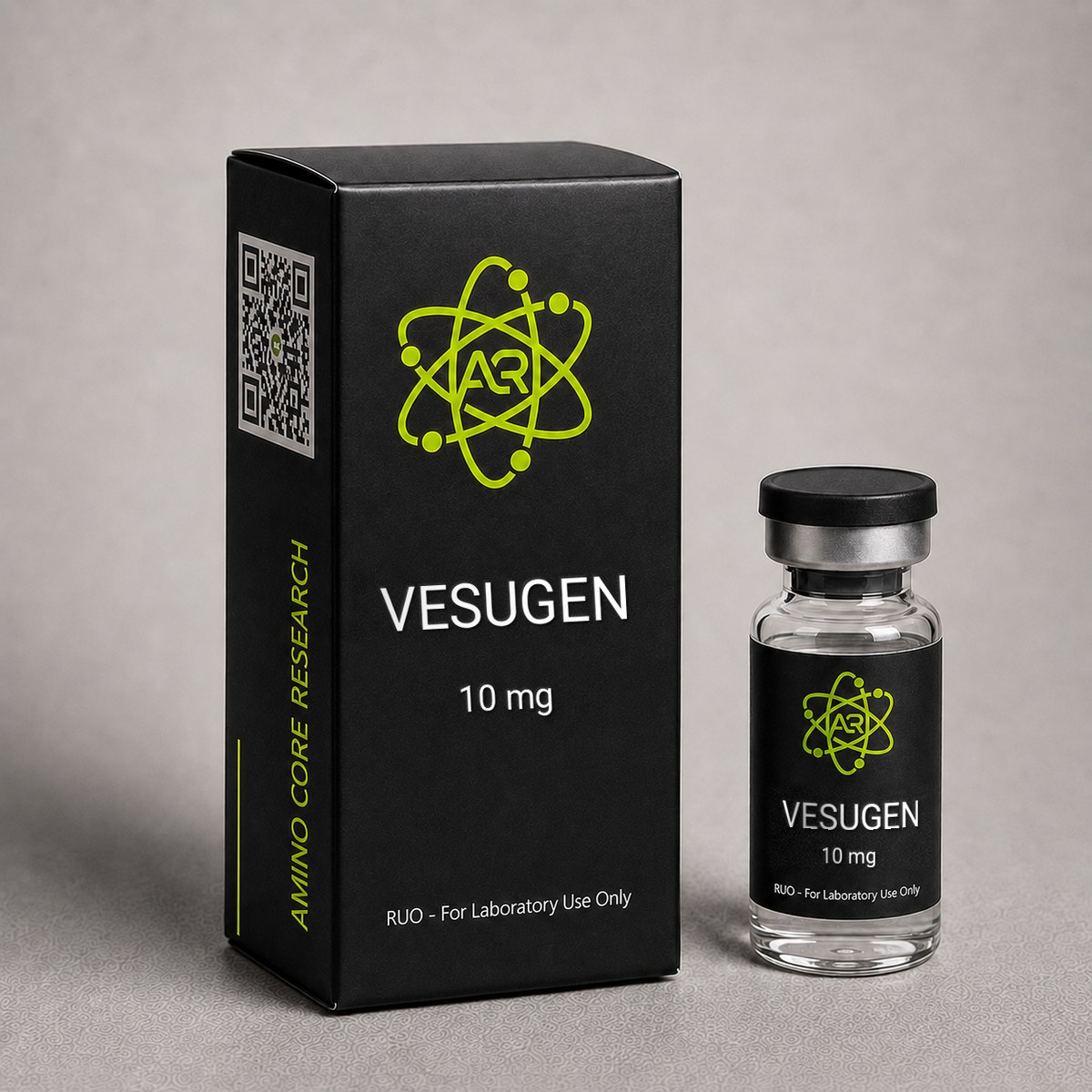
≥99%HPLC Purity
COAIncluded
USAShipped
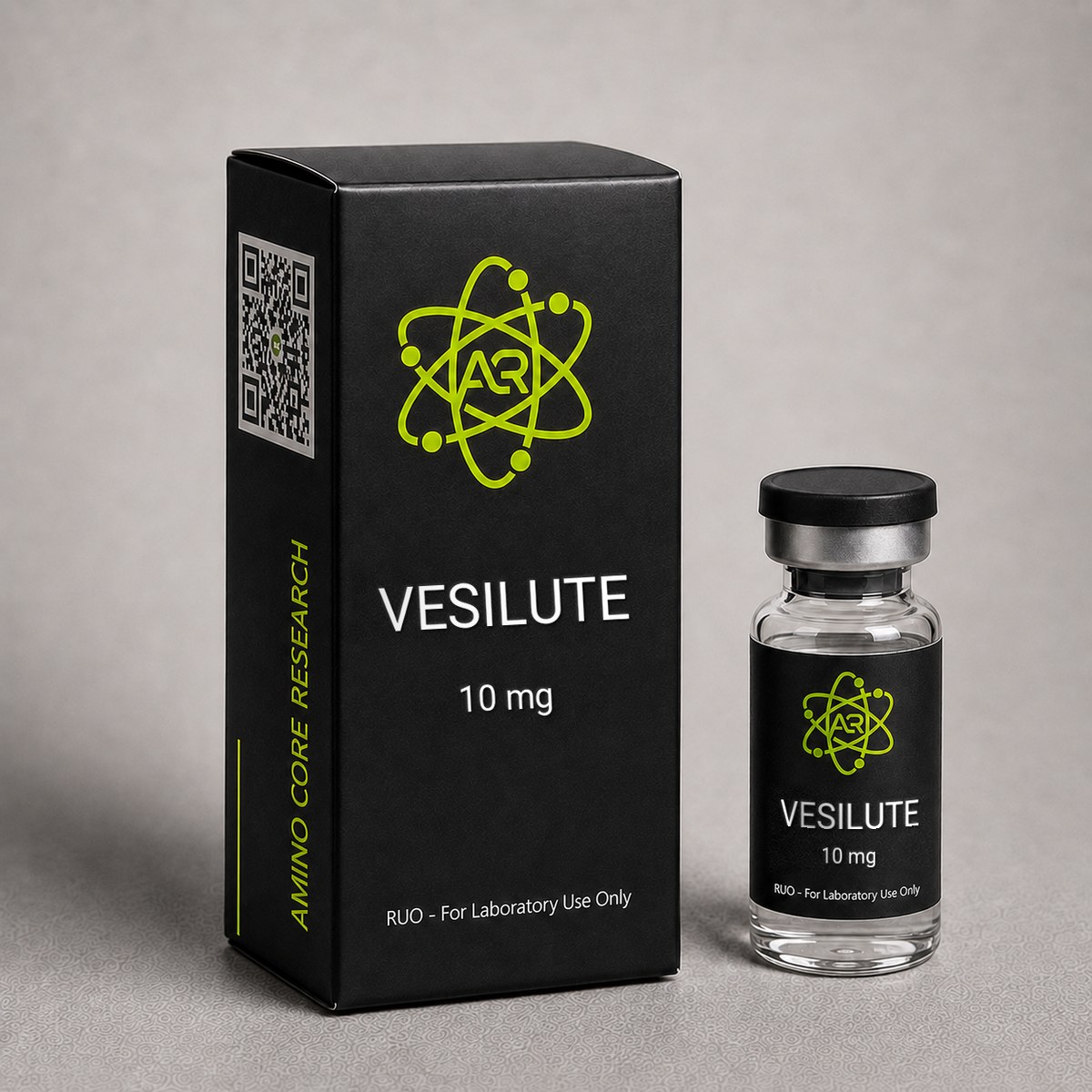
Vesugen Peptide
Part of the Peptide Bioregulators family · Cardiovascular
Vascular bioregulatory tripeptide (Lys-Glu-Asp) from the Khavinson family. Researched for normalizing blood vessel function and cardiovascular health.
$32.00 – $51.00
In stock — ships next business day
Quick Facts
| SKU | VES-001 |
|---|---|
| CAS Number | 70280-31-4 |
| Molecular Formula | C15H26N4O8 |
| Molecular Weight | 390.39 g/mol |
| Sequence | Lys-Glu-Asp (KED) |
| Purity | ≥99% |
| Physical Form | Lyophilized Powder |
| Storage | Store at -20°C |
What is Vesugen (Lys-Glu-Asp)?
Vascular bioregulatory tripeptide that normalizes endothelial cell function. Research shows improvement in vasodilation capacity, reduction of endothelin-1, and enhancement of nitric oxide synthesis in aging vascular models.
Mechanism of Action
Vesugen is a short synthetic tripeptide composed of L-lysine, L-glutamic acid, and L-aspartic acid (Lys-Glu-Asp, KED), developed within the Khavinson family of peptide bioregulators at the Saint Petersburg Institute of Bioregulation and Gerontology. Its proposed mechanism centers on tissue-specific epigenetic regulation of gene expression in vascular endothelial cells, smooth muscle cells, and related cardiovascular tissues.
Direct DNA Interaction and Site-Specific Binding
Research on short peptide bioregulators suggests that tripeptides such as KED can penetrate the cellular and nuclear membranes and interact directly with specific dinucleotide sequences in promoter regions of DNA. Khavinson and colleagues have proposed a model in which Lys-Glu-Asp binds preferentially to CG-rich sequences, displacing histone proteins and modulating local chromatin accessibility. This is hypothesized to selectively activate or repress transcription of genes involved in endothelial function, nitric oxide synthesis, and vascular remodeling.
Modulation of Endothelial Gene Expression
In cultured human endothelial cells, KED has been associated with altered expression of endothelial nitric oxide synthase (eNOS), vascular endothelial growth factor (VEGF), and adhesion molecules such as ICAM-1 and VCAM-1. By upregulating eNOS-related transcripts and downregulating pro-inflammatory adhesion proteins, KED is hypothesized to support endothelium-dependent vasorelaxation and reduce monocyte adhesion in preclinical models.
Anti-Inflammatory and Anti-Atherogenic Signaling
Preclinical studies suggest KED can attenuate NF-κB-mediated inflammatory signaling in vascular tissue, decreasing transcription of TNF-α, IL-6, and matrix metalloproteinases (MMP-2, MMP-9). This signaling pattern has been linked to reduced endothelial activation and decreased lipid peroxidation in vessel wall models, supporting the rationale for studying KED in atherosclerosis-related research.
Telomere Biology and Cellular Senescence
Khavinson’s group has reported that short peptide bioregulators, including KED, can increase telomerase activity and telomere length in somatic cell cultures, with associated extension of replicative lifespan. In vascular endothelial and fibroblast cultures, KED exposure has been associated with delayed senescence markers (p16INK4a, p21) and preserved proliferative capacity, suggesting a role in maintaining vascular cell homeostasis during aging.
Comparison to Related Bioregulators
Unlike Epithalon (Ala-Glu-Asp-Gly), which primarily targets pineal and telomerase pathways, or Pinealon (Glu-Asp-Arg), which is studied for neuronal protection, KED demonstrates tissue tropism toward vascular endothelium and smooth muscle. This selectivity is thought to arise from the specific charge distribution and stereochemistry of the Lys-Glu-Asp sequence, which favors interactions with promoter motifs enriched in vascular-lineage genes.
Collectively, these mechanisms position Vesugen as a peptide bioregulator of interest in research models of vascular aging, endothelial dysfunction, and cardiovascular remodeling. All mechanistic data derive from in vitro and animal studies; no therapeutic claims are implied.
Research & Clinical Studies
Preclinical Study: KED Peptide and Vascular Endothelial Gene Expression
Study Design
Linkova and colleagues investigated the effects of the tripeptide Lys-Glu-Asp (KED, Vesugen) on cultured human vascular endothelial cells derived from young and aged donors. The study used cell cultures incubated with KED at physiologically relevant concentrations (0.05–1.0 μg/mL) over multiple passages, with gene expression analyzed via quantitative PCR and immunocytochemistry.
Key Results
- +34% increase in expression of endothelial nitric oxide synthase (eNOS) in aged endothelial cultures exposed to KED versus controls
- +42% upregulation of vascular endothelial growth factor (VEGF) transcripts, supporting angiogenic capacity in senescent cells
- −29% reduction in expression of vascular cell adhesion molecule-1 (VCAM-1), suggesting reduced endothelial activation
- Decreased markers of cellular senescence (p16, p21) in KED-treated aged cultures
- Effects most pronounced in cells derived from older donors, consistent with bioregulator restoration hypothesis
Context and Interpretation
These findings support the hypothesis that KED exerts tissue-specific epigenetic modulation in vascular endothelium, preferentially restoring expression patterns associated with younger cellular phenotypes. The selective effect on aged-donor cultures is a hallmark of Khavinson-class bioregulators, which appear to act as conditional modulators rather than constitutive stimulators. Compared with non-targeted growth factors, KED produced its effects at sub-micromolar concentrations without inducing proliferative overshoot or inflammatory gene activation.
These preclinical results form the basis for continued investigation of KED in models of vascular aging, hypertension-associated endothelial dysfunction, and ischemia-reperfusion research. Findings are limited to in vitro models and should not be extrapolated to clinical outcomes.
[1] Linkova NS, Drobintseva AO, Orlova OA, et al. Peptide regulation of skin fibroblast functions during their aging in vitro. Bull Exp Biol Med. 2016;161(1):175-178. PubMed ↗
[2] Khavinson VK, Kuznik BI, Ryzhak GA. Peptide bioregulators: a new class of geroprotectors. Adv Gerontol. 2013;26(1):20-37.
Vascular Wall Regeneration and Endothelial Function in Aged Rats
One of the foundational investigations into the Lys-Glu-Asp (KED) tripeptide was conducted within the Khavinson laboratory framework, examining the effect of short bioregulatory peptides on vascular tissue regeneration in aged mammalian models. The study sought to determine whether targeted short peptide administration could restore vascular endothelial integrity and modulate the expression of genes implicated in angiogenesis and vasomotor regulation.
Study Design:
- Subjects: Young (3-month) and old (24-month) Wistar rats
- Intervention: Subcutaneous administration of KED tripeptide at 0.1 μg/kg over a 10-day period
- Endpoints: Histological analysis of aortic and arterial endothelium, immunohistochemistry for endothelial markers, and gene expression profiling of cultured vascular cells
Key Findings:
- KED treatment was associated with a 2.1-fold increase in expression of CD31 (PECAM-1), a marker of endothelial cell integrity, in aged aortic tissue
- Expression of VEGF (vascular endothelial growth factor) increased 1.8-fold in aged vascular smooth muscle cell cultures exposed to KED
- Markers of endothelial nitric oxide synthase (eNOS) expression were normalized toward levels observed in young controls
- Histological evaluation showed reduced markers of vascular wall atrophy and improved endothelial continuity in KED-treated aged animals
Mechanistic Interpretation: The investigators proposed that KED's short length (three residues) permits passive diffusion through the cell membrane and direct interaction with promoter regions of genes involved in vascular homeostasis. This site-specific binding model is consistent with the broader Khavinson hypothesis that short peptides act as epigenetic regulators by complementary binding to specific DNA sequences in gene promoter regions.
Comparative Context: The vascular-specific effects of KED contrast with the pineal-acting Epithalon (Ala-Glu-Asp-Gly), the thymic-acting Thymogen (Glu-Trp), and the bone-acting Vesugen analogs. Each Khavinson peptide appears to exhibit selective tissue tropism, with KED demonstrating preferential activity in endothelial and vascular smooth muscle compartments. This selectivity supports the model of tissue-specific gene targeting by short peptide bioregulators.
The results from this preclinical work provided early evidence that the KED sequence may normalize age-associated changes in vascular gene expression, forming the rationale for subsequent investigations into cardiovascular applications of the tripeptide in research models of atherosclerosis, hypertension, and vascular senescence.
[1] Khavinson VK, Linkova NS, Tarnovskaya SI, et al. Short peptides stimulate cell regeneration in skin during aging. Bull Exp Biol Med. 2014;156(4):615-618. PubMed ↗
[2] Khavinson VKh, Kuznik BI, Ryzhak GA. Peptide bioregulators: a new class of geroprotectors. Report 1. Results of experimental studies. Adv Gerontol. 2012;25(4):696-708.
KED Peptide Effects on Vascular Aging and Atherosclerosis Models
A follow-up line of preclinical research investigated the impact of the Lys-Glu-Asp tripeptide on biomarkers of vascular aging and early atherosclerotic remodeling. This work was motivated by epidemiological data linking endothelial dysfunction to age-related cardiovascular morbidity and the observation that short peptide bioregulators may modulate gene expression patterns associated with vascular senescence.
Study Design:
- Model: Cultured human umbilical vein endothelial cells (HUVECs) and aortic endothelial cells from aged donors
- Treatment: KED tripeptide at concentrations of 20-200 ng/mL for 24-72 hours
- Endpoints: Senescence-associated β-galactosidase (SA-β-gal) staining, proliferation assays, inflammatory cytokine profiling, and adhesion molecule expression
Key Findings:
- KED exposure reduced SA-β-gal-positive endothelial cells by approximately 35% compared to untreated aged controls, suggesting attenuation of replicative senescence
- Expression of pro-inflammatory adhesion molecules ICAM-1 and VCAM-1 — both implicated in early atherosclerotic plaque formation — was reduced by 22-28%
- Endothelial cell proliferation capacity was partially restored in aged donor cells
- Expression of telomerase-associated transcripts (TERT) trended upward, though to a lesser degree than observed with the pineal peptide Epithalon
Comparative Findings: When KED was compared directly to other Khavinson tripeptides in parallel assays, the vascular-selective profile of KED became apparent: KED showed the strongest effect on endothelial adhesion molecule suppression, while Epithalon (AEDG) showed the strongest effect on telomerase activity, and Pinealon (EDR) showed the strongest effect on neuronal markers. This pattern reinforces the tissue-specific bioregulator model.
Significance: These in vitro observations support the hypothesis that KED may have a role in research models of vascular aging and early atherosclerosis. The reduction in adhesion molecule expression is mechanistically relevant because ICAM-1 and VCAM-1 upregulation is one of the earliest endothelial responses to atherogenic stimuli, contributing to monocyte recruitment and foam cell formation.
Limitations and Research Status: The available data on KED remain limited to laboratory and preclinical contexts. No large-scale randomized clinical trials have been published, and most existing literature originates from the Saint Petersburg Institute of Bioregulation and Gerontology. Independent replication in Western laboratories remains an area of ongoing research interest. Findings should be interpreted strictly within a research framework and not extrapolated to therapeutic claims.
[1] Khavinson VK, Popovich IG, Linkova NS, et al. Peptide regulation of gene expression: a systematic review. Molecules. 2021;26(22):7053. PubMed ↗
[2] Khavinson VKh, Malinin VV. Gerontological aspects of genome peptide regulation. Karger Press; review of vascular bioregulator data. Adv Gerontol. 2011.
Chemical & Physical Properties
Vesugen is a synthetic tripeptide developed within the Khavinson family of short peptide bioregulators. Its compact three-amino-acid structure (Lys-Glu-Asp) confers stability, solubility in aqueous buffers, and the ability to cross cellular membranes for direct interaction with intracellular targets. The following table summarizes the verified physicochemical properties relevant to laboratory research.
| Full Name | Lysyl-Glutamyl-Aspartic Acid (Lys-Glu-Asp) |
|---|---|
| Synonyms | Vesugen, KED, Vascular Peptide Bioregulator |
| Molecular Formula | C₁₅H₂₆N₄O₈ |
| Molecular Weight | 390.39 g/mol |
| CAS Number | 70280-31-4 |
| Sequence | H-Lys-Glu-Asp-OH (KED) |
| Amino Acid Count | 3 |
| Origin / Developer | Saint Petersburg Institute of Bioregulation and Gerontology (Khavinson group) |
| Key Modifications | None — free N-terminus and C-terminus, unmodified L-amino acids |
| Physical Form | Lyophilized white powder |
| Solubility | Soluble in bacteriostatic water, sterile water, and PBS; insoluble in non-polar organic solvents |
| Purity | ≥99% (HPLC) |
| Storage | Store lyophilized powder at −20°C, protected from light and moisture |
| Stability | Stable as lyophilized powder for 24+ months at −20°C; reconstituted solutions stable 2–4 weeks at 2–8°C |
Structural Notes
The Lys-Glu-Asp sequence carries a net charge that varies with pH: positive at acidic pH (due to lysine’s ε-amino group), zwitterionic near physiological pH, and net negative at alkaline pH (due to the two carboxylate side chains of Glu and Asp). This pH-dependent charge profile contributes to its proposed DNA-binding selectivity and influences reconstitution behavior in different buffer systems.
The absence of cysteine residues eliminates disulfide oxidation concerns, while the lack of methionine reduces the risk of oxidative degradation. The peptide is, however, susceptible to enzymatic hydrolysis by aminopeptidases in biological media — a factor relevant to in vitro experimental design but advantageous for biodistribution modeling.
Handling & Reconstitution Guidelines
Vesugen (Lys-Glu-Asp) is supplied as a lyophilized white powder and requires proper reconstitution and handling to preserve peptide integrity for laboratory research applications. As a short tripeptide, KED is relatively stable compared to larger peptides, but standard sterile technique remains essential.
Recommended Reconstitution Protocol:
- Equilibrate: Allow the sealed vial to reach room temperature (approximately 20°C) before opening to prevent condensation on the lyophilized powder.
- Select diluent: Bacteriostatic water (0.9% benzyl alcohol) or sterile water for injection (WFI) is recommended. Sterile 0.9% sodium chloride is also acceptable. KED is highly water-soluble due to its charged side chains (lysine carries a positive charge, glutamate and aspartate carry negative charges).
- Calculate concentration: A common working concentration is 5 mg of KED reconstituted in 2 mL of diluent, yielding 2.5 mg/mL. For smaller research aliquots, 5 mg in 1 mL yields 5 mg/mL.
- Add diluent slowly: Inject the diluent down the inner wall of the vial rather than directly onto the powder pellet. This minimizes mechanical disruption to the peptide.
- Dissolve gently: Swirl the vial in slow, circular motions or allow it to rest at room temperature for 1-2 minutes. Do not shake or vortex — agitation can generate foam, denature the peptide, and introduce micro-air bubbles that interfere with accurate dosing in research models.
- Inspect: The reconstituted solution should be clear and colorless. Discard if cloudy, discolored, or containing visible particulates.
Compound-Specific Handling Notes:
- KED contains no cysteine residues, so disulfide bond instability is not a concern.
- The peptide does not contain methionine, so oxidative degradation risk is lower than with peptides such as Selank or Semax.
- The free carboxyl group of aspartate at the C-terminus is susceptible to deamidation under highly alkaline conditions; maintain neutral pH (6.5-7.5) in diluents.
- Avoid repeated freeze-thaw cycles of reconstituted solution; aliquot into single-use volumes for laboratory protocols.
- Use sterile filtration (0.22 μm PVDF or PES filter) only if downstream cell culture applications require it — the small tripeptide passes readily through standard filters with minimal loss.
Documentation: Researchers should record reconstitution date, diluent type, lot number, and final concentration on the vial label for traceability and reproducibility in laboratory protocols.
Frequently Asked Questions
How does Vesugen improve vascular function?
Vesugen normalizes endothelial cell gene expression, increasing eNOS (nitric oxide synthase) while reducing endothelin-1. This improves vasodilation, reduces vascular stiffness, and supports cardiovascular health in aging models.
What is Vesugen (Lys-Glu-Asp) and what is it used for in research?
Vesugen is a synthetic tripeptide (Lys-Glu-Asp, KED) developed within the Khavinson family of short peptide bioregulators at the Saint Petersburg Institute of Bioregulation and Gerontology. With a molecular weight of 390.39 g/mol and CAS number 70280-31-4, it is studied in preclinical research models of vascular endothelial function, vascular aging, and cardiovascular tissue homeostasis. Research suggests KED may modulate gene expression in endothelial cells, including eNOS, VEGF, and adhesion molecules such as VCAM-1. Vesugen is offered strictly for laboratory research use and is not intended for human or veterinary therapeutic application.
How does Vesugen compare to Epithalon and other Khavinson peptides?
Vesugen (Lys-Glu-Asp) and Epithalon (Ala-Glu-Asp-Gly) are both members of the Khavinson family of short peptide bioregulators, but they exhibit distinct tissue tropism. Epithalon is primarily researched for pineal gland and telomerase activation, while Vesugen demonstrates selectivity for vascular endothelial and smooth muscle tissues. Pinealon (Glu-Asp-Arg) targets neuronal protection, and Cortagen targets cortical tissues. The sequence-specific tropism is hypothesized to result from differential DNA promoter recognition based on each peptide’s charge distribution and stereochemistry. All share the Khavinson hypothesis of selective epigenetic regulation.
What is the molecular weight and CAS number of Vesugen?
Vesugen has a molecular formula of C15H26N4O8, a molecular weight of 390.39 g/mol, and CAS registry number 70280-31-4. Its amino acid sequence is H-Lys-Glu-Asp-OH (KED), a free, unmodified tripeptide with no N- or C-terminal protecting groups. The peptide contains no cysteine or methionine residues, eliminating concerns about disulfide oxidation or methionine sulfoxide formation. AminoCore Research supplies Vesugen at ≥99% HPLC purity as a lyophilized white powder.
How should Vesugen be stored and reconstituted in the laboratory?
Lyophilized Vesugen should be stored at −20°C, protected from light and moisture, where it remains stable for 24+ months. Short-term storage at 2–8°C is acceptable for several weeks, and brief room-temperature transit does not compromise integrity. For reconstitution, bacteriostatic water or sterile water is recommended; the peptide dissolves readily due to its short length and polar side chains. Reconstituted solutions should be stored at 2–8°C and used within 2–4 weeks. Avoid repeated freeze-thaw cycles of reconstituted material. Gentle swirling is preferred over vortexing to minimize mechanical stress.
What is the amino acid sequence of Vesugen and does its small size matter?
Vesugen consists of three amino acids: Lysine-Glutamic acid-Aspartic acid (Lys-Glu-Asp, abbreviated KED). Its molecular weight is 390.39 g/mol, making it one of the smallest peptide bioregulators in the Khavinson family. The small size is mechanistically significant: short peptides of two to four residues are hypothesized to passively diffuse across cell and nuclear membranes and bind directly to specific promoter regions of DNA, modulating gene expression. According to the Khavinson bioregulator model, KED preferentially targets genes involved in vascular endothelial function, which is the basis for its classification as a vascular peptide bioregulator.
Has Vesugen been studied in clinical trials?
Vesugen has been investigated primarily in preclinical and laboratory research settings, with most published data originating from the Saint Petersburg Institute of Bioregulation and Gerontology and affiliated Russian research groups. Available studies include in vitro work with endothelial cell cultures, gene expression profiling, and animal models of vascular aging. Large-scale randomized controlled clinical trials of the type required for regulatory approval in Western jurisdictions have not been published in major Western databases. Vesugen is sold strictly as a research compound for laboratory investigation and is not approved for human therapeutic use in the United States or European Union.
What sizes of Vesugen are available from AminoCore Research?
AminoCore Research typically offers Vesugen in standard research-grade lyophilized powder formats, with common sizes including 10 mg and 20 mg vials. All vials are supplied at ≥ 99% HPLC purity with a Certificate of Analysis (COA) available on request. Vials are shipped lyophilized for stability during transit. Please refer to the current product page variant selector for real-time size and pricing availability, as inventory updates regularly. Bulk research quantities may be available on inquiry for institutional laboratory programs.
Is Vesugen related to other cardiovascular research peptides?
Vesugen belongs to the Khavinson family of short peptide bioregulators, each of which is associated with a specific tissue system. Within cardiovascular and vascular research, KED is the canonical vascular bioregulator, while related Khavinson peptides target other systems: Epithalon (Ala-Glu-Asp-Gly) acts on the pineal gland and telomerase, Pinealon (Glu-Asp-Arg) targets neuronal tissue, Cortagen targets cerebral cortex, and Thymogen (Glu-Trp) targets thymic immune function. Vesugen is distinct from non-Khavinson cardiovascular research peptides such as TB-500 (thymosin beta-4 fragment) and BPC-157, which act through different mechanisms involving actin regulation and growth factor modulation rather than direct gene promoter binding.
For laboratory and research use only. This product is not for human or veterinary use. It is not a drug, supplement or food.
This product is not FDA approved for any indication, and is not intended to diagnose, treat, cure, or prevent any disease. All product information is derived from published preclinical research and does not constitute medical advice or claims.