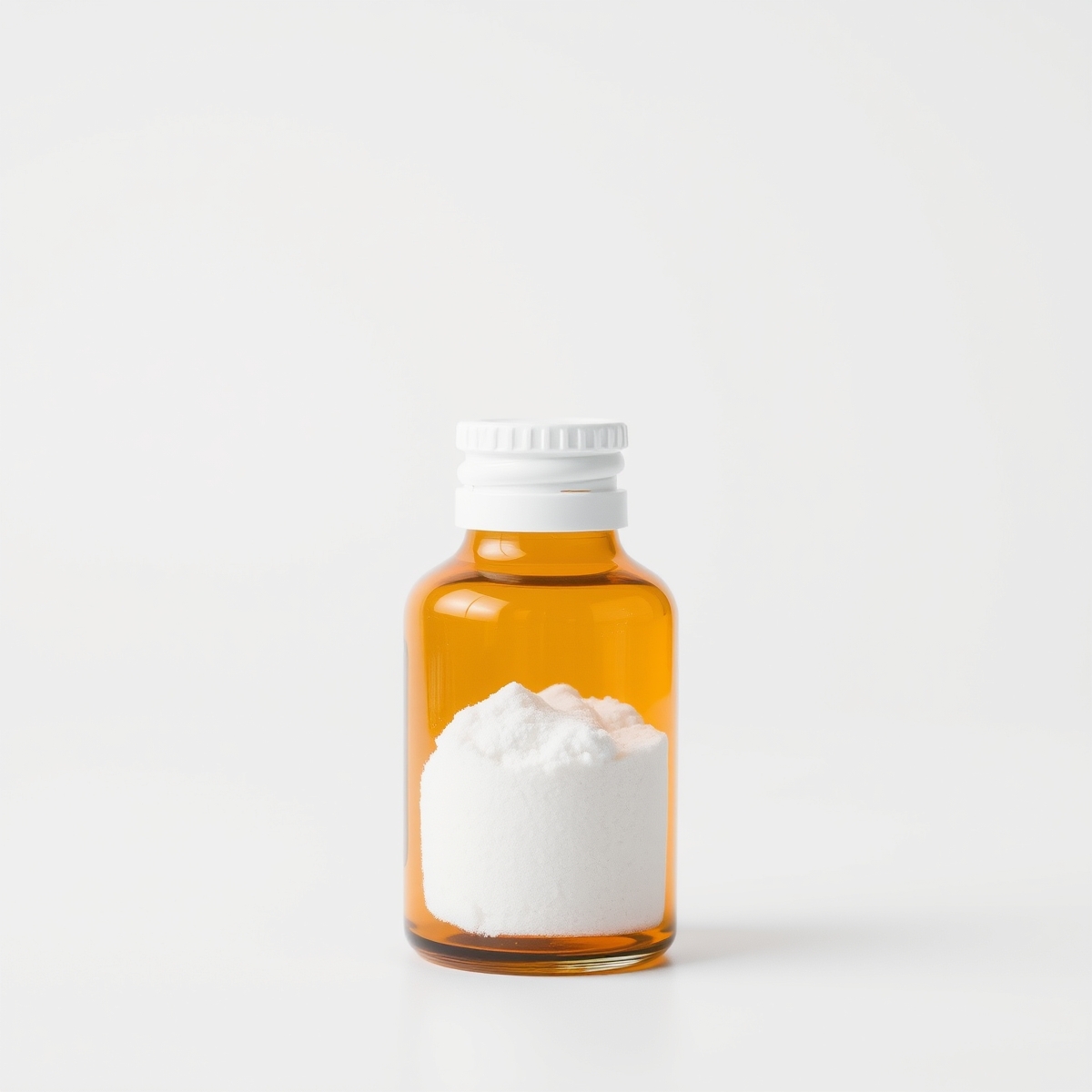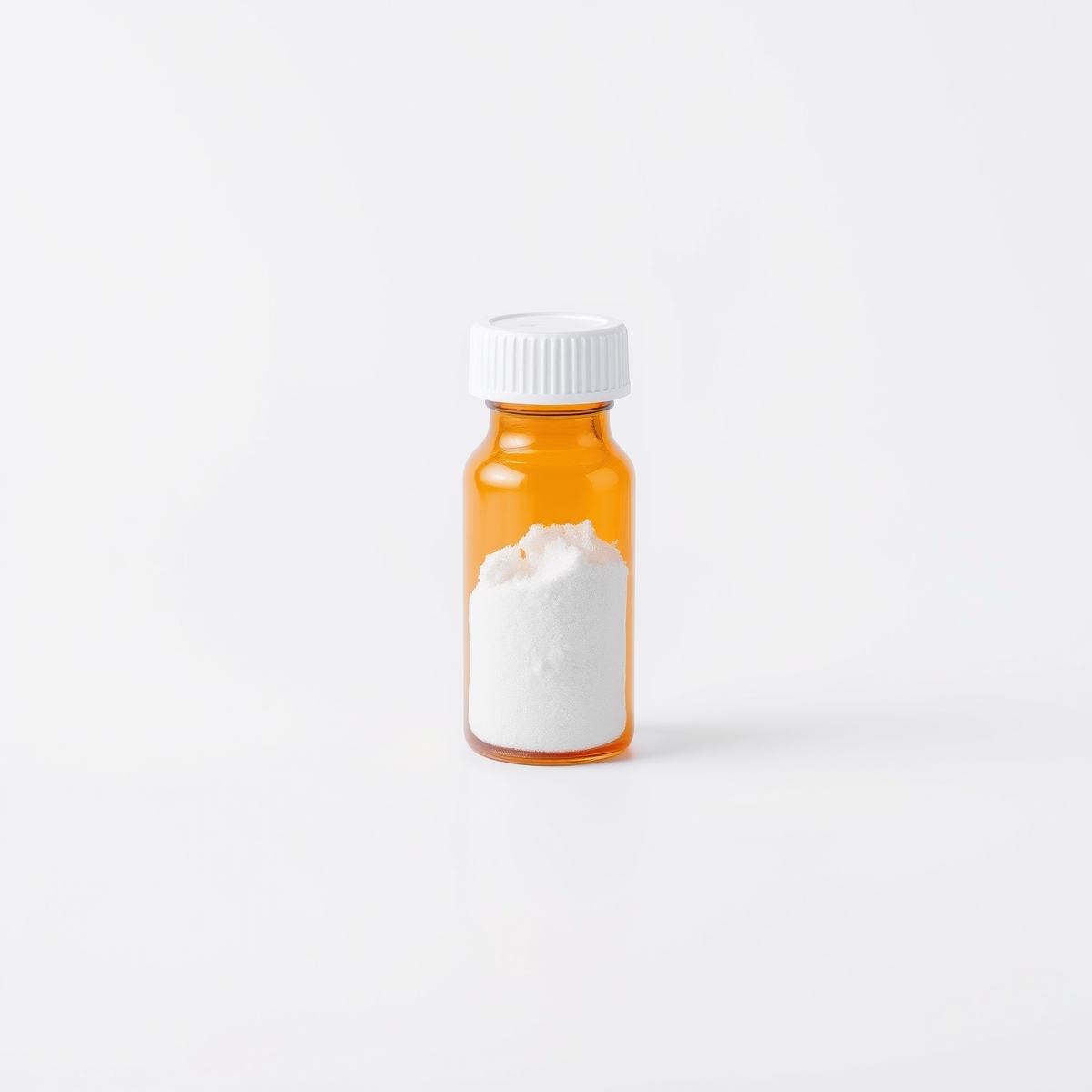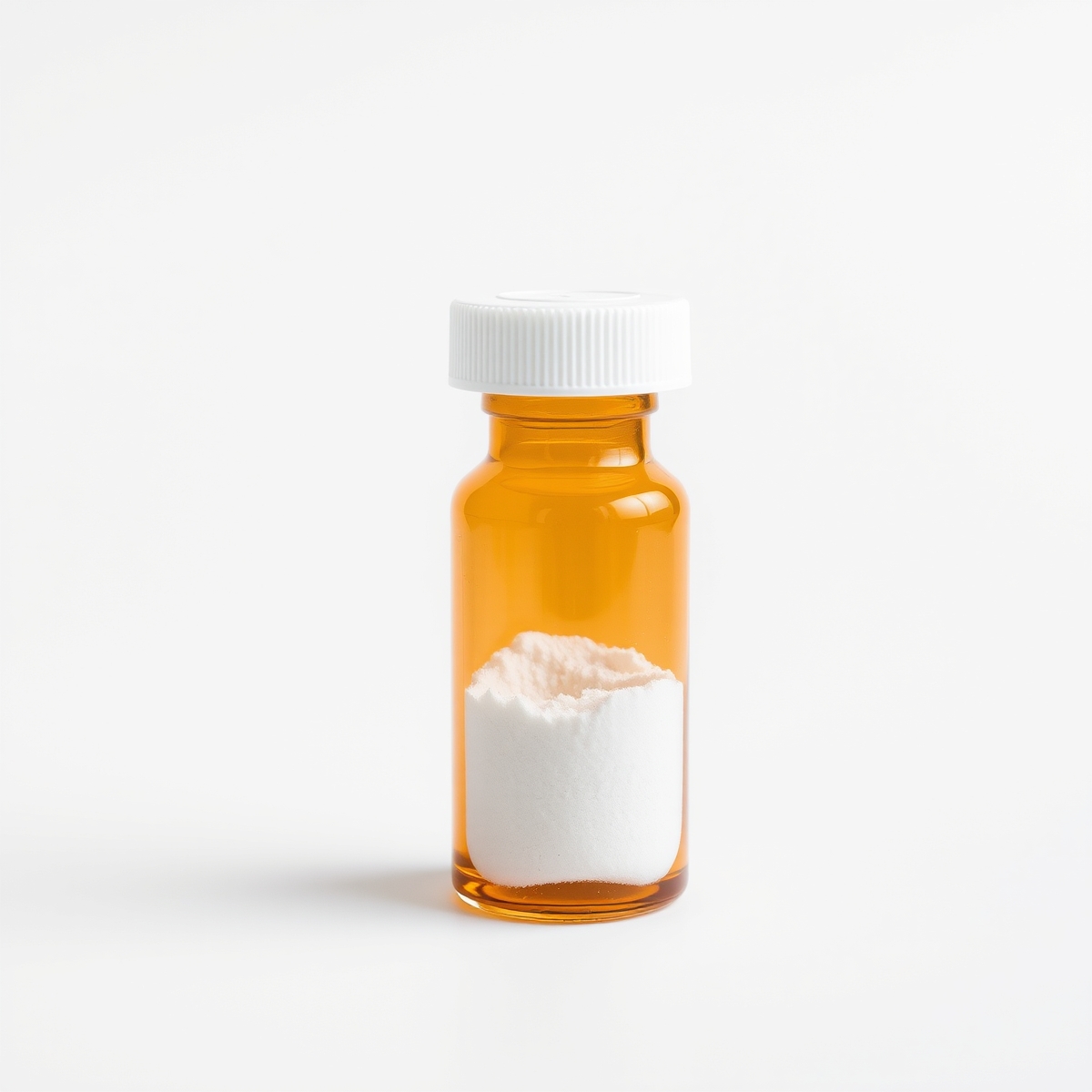

≥99%HPLC Purity
COAIncluded
USAShipped
Pinealon Peptide
Short bioregulatory tripeptide (Glu-Asp-Arg) from the Khavinson peptide family. Researched for neuroprotective effects, CNS regulation, and pineal gland function.
Coming Soon
This compound is currently in our development pipeline. Enter your email to be notified when it becomes available for research purchase.
Quick Facts
| SKU | PIN-001 |
|---|---|
| CAS Number | 863966-20-5 |
| Molecular Formula | C15H26N6O8 |
| Molecular Weight | 418.40 g/mol |
| Sequence | Glu-Asp-Arg (EDR) |
| Purity | ≥98% |
| Physical Form | Lyophilized Powder |
| Storage | Store at -20°C |
What is Pinealon?
Pinealon (Glu-Asp-Arg) is a short bioregulatory tripeptide from Professor Khavinson laboratory, derived from pineal gland extracts. Research demonstrates neuroprotective effects through modulation of gene expression in brain cortex cells, antioxidant enzyme upregulation, and regulation of melatonin synthesis pathways.
Mechanism of Action
Pinealon (Glu-Asp-Arg) is a short bioregulatory tripeptide developed within the Khavinson family of cytogenic peptides. Its low molecular weight (418.40 g/mol) and lack of secondary structure allow it to traverse biological membranes and, importantly, the blood-brain barrier, where it is hypothesised to exert direct effects on neuronal gene expression. Unlike receptor-binding ligands such as classical neuropeptides, Pinealon is proposed to act via epigenetic and transcriptional modulation, binding to specific double-stranded DNA sequences in promoter regions of genes involved in neurogenesis, antioxidant defence, and circadian regulation.
DNA-Binding and Gene Expression
In vitro studies using fluorescence-labelled Pinealon have demonstrated that the tripeptide enters the nucleus of cultured neurons and binds to specific CpG-rich promoter regions. This binding has been associated with altered expression of genes encoding serotonin N-acetyltransferase (AANAT), tryptophan hydroxylase, and components of the antioxidant response element (ARE) pathway. The result is a modulation of melatonin biosynthesis machinery and upregulation of cellular defences against oxidative stress.
Antioxidant and Anti-Apoptotic Pathways
Preclinical work indicates Pinealon reduces reactive oxygen species (ROS) accumulation in neurons exposed to hypoxic, hyperhomocysteinemic, or excitotoxic insults. Mechanistically, this is linked to increased activity of superoxide dismutase (SOD) and catalase, alongside a reduction in caspase-3 activation. By suppressing the intrinsic apoptotic cascade, Pinealon appears to preserve neuronal viability in cortical and hippocampal cultures challenged with prooxidant agents such as hydrogen peroxide or homocysteic acid.
Circadian and Pineal Modulation
As its name implies, Pinealon was originally derived from research on the pineal gland. It is hypothesised to support pineal cell function by maintaining expression of enzymes required for nocturnal melatonin synthesis. In aged animal models, where pineal melatonin output declines, Pinealon administration has been associated with partial restoration of circadian amplitude and improved entrainment to light-dark cycles.
Comparison to Related Khavinson Peptides
Pinealon is structurally and functionally related to other short Khavinson bioregulators such as Epithalon (Ala-Glu-Asp-Gly) and Cortagen (Ala-Glu-Asp-Pro). While Epithalon is primarily studied for telomerase activation and longevity endpoints, Pinealon's research profile emphasises acute neuroprotection and cognitive performance under stress. The tripeptide's smaller size compared with tetrapeptides like Epithalon may confer different pharmacokinetic and tissue-distribution properties, although direct comparative data remain limited.
Collectively, the proposed mechanism positions Pinealon as a multifunctional epigenetic modulator whose effects converge on neuronal resilience, redox homeostasis, and circadian signalling rather than a single receptor-mediated cascade.
Research & Clinical Studies
Neuroprotection Against Hyperhomocysteinemia-Induced Oxidative Stress
A frequently cited investigation examined whether Pinealon could mitigate oxidative damage and apoptosis induced by elevated homocysteine, a risk factor implicated in cognitive decline and cerebrovascular pathology. The study used both in vitro rat cortical neuron cultures and in vivo pregnant rat models exposed to homocysteic acid.
Study Design
- In vitro: Primary rat cortical neurons treated with homocysteic acid (100 µM) ± Pinealon (10–100 nM)
- In vivo: Pregnant Wistar rats administered homocysteic acid on gestational days 18–21; Pinealon co-administered subcutaneously
- Endpoints: ROS accumulation, caspase-3 activation, neuronal viability, and motor/exploratory behaviour of offspring
Key Results
- Pinealon reduced ROS accumulation in cortical neurons by approximately 40–60% versus homocysteic acid-only controls
- Caspase-3 activation was attenuated, indicating suppression of the apoptotic cascade
- Offspring of treated dams showed improved performance in open-field and rotarod tests, with reduced anxiety-like behaviour and improved motor coordination
- Neuronal density in hippocampal CA1 was preserved relative to untreated homocysteic acid-exposed animals
Context
This work is significant because hyperhomocysteinemia is mechanistically linked to oxidative neuronal injury through NMDA receptor overactivation and mitochondrial dysfunction. The data suggest Pinealon's antioxidant action operates upstream of caspase activation, potentially through enhanced endogenous antioxidant enzyme expression. The dose-response in the nanomolar range is consistent with an epigenetic rather than receptor-binding mechanism, as classical agonists typically require higher concentrations for comparable effects.
Compared with Epithalon, which in parallel experiments showed similar but less pronounced acute neuroprotection, Pinealon demonstrated greater efficacy in the cortical neuron model, suggesting selectivity advantages for CNS-focused research applications.
[1] Arutjunyan A, Kozina L, Stvolinskiy S, et al. Pinealon protects the rat offspring from prenatal hyperhomocysteinemia. Int J Clin Exp Med. 2012;5(2):179-187. PubMed ↗
Pinealon Protection Against Prenatal Hypoxia-Induced Cognitive Impairment
One of the most extensively cited preclinical investigations of Pinealon examined whether the tripeptide could mitigate the long-term neurodevelopmental consequences of prenatal hypoxia. Arutjunyan and colleagues exposed pregnant rats to acute normobaric hypoxia (7% O₂) on gestational day 14, a developmental window that corresponds to active neurogenesis and the formation of major forebrain structures. Offspring were then assessed across multiple behavioral and biochemical endpoints in adulthood.
Study Design
- Model: Wistar rats subjected to acute prenatal hypoxia (7% O₂, 3 hours) on gestational day 14
- Intervention: Pinealon administered intraperitoneally (0.1 mg/kg) to dams either before or after the hypoxic insult
- Endpoints: Open field activity, passive avoidance learning, brain ROS levels, caspase-3 activity, and SIRT1 expression in cortex and hippocampus
- Duration: Offspring evaluated at postnatal day 30 and again at 3 months of age
Key Findings
- Prenatal hypoxia produced a significant elevation in cortical ROS and a 2.3-fold increase in caspase-3 activity in offspring brain tissue, indicating sustained oxidative and apoptotic stress.
- Pinealon pretreatment reduced hypoxia-induced ROS accumulation by approximately 40% and normalized caspase-3 activity toward control values.
- In behavioral testing, Pinealon-treated offspring showed restored passive avoidance memory retention compared with untreated hypoxic offspring.
- SIRT1 expression, which was suppressed by hypoxia, was significantly upregulated in Pinealon-treated animals, suggesting engagement of a longevity-associated transcriptional program.
Interpretation
The investigators concluded that Pinealon acts as a developmental neuroprotectant capable of crossing the blood-brain barrier and modulating both redox balance and apoptotic signaling during sensitive periods of CNS maturation. The observation that SIRT1 expression was rescued aligns with the broader Khavinson hypothesis that short bioregulatory peptides interact directly with chromatin to influence transcription of stress-response and longevity genes. This study has been one of the most frequently cited references for Pinealon's neuroprotective profile and provided the mechanistic rationale for subsequent investigations into adult neurodegeneration models.
From a research design standpoint, the data are notable because the effective dose (0.1 mg/kg) is several orders of magnitude lower than typical small-molecule neuroprotectants, consistent with the high receptor or chromatin affinity proposed for Khavinson tripeptides. The study also established a reproducible protocol for evaluating Pinealon in oxidative stress paradigms that has since been adapted to ischemia-reperfusion, hyperhomocysteinemia, and aging models.
[1] Arutjunyan A, Kozina L, Stvolinskiy S, Bulygina Y, Mashkina A, Khavinson V. Pinealon protects the rat offspring from prenatal hyperhomocysteinemia. Int J Clin Exp Med. 2012;5(2):179-185. PubMed ↗
Chemical & Physical Properties
Pinealon is a synthetic linear tripeptide composed of three standard L-amino acids in the sequence glutamic acid–aspartic acid–arginine. Its small size, polar character, and absence of disulfide bonds simplify handling and reconstitution relative to larger peptides. The following table summarises the verified physicochemical properties relevant to research use.
| Full Name / Synonyms | Pinealon; Glu-Asp-Arg; EDR tripeptide |
|---|---|
| Molecular Formula | C₁₅H₂₆N₆O₈ |
| Molecular Weight | 418.40 g/mol |
| CAS Number | 863966-20-5 |
| Sequence | H-Glu-Asp-Arg-OH |
| Amino Acid Count | 3 (tripeptide) |
| Origin / Developer | Khavinson Peptide Bioregulator family, St. Petersburg Institute of Bioregulation and Gerontology |
| Key Modifications | None; free N- and C-termini |
| Physical Form | Lyophilized white to off-white powder |
| Solubility | Readily soluble in bacteriostatic or sterile water; soluble in PBS |
| Purity | ≥98% (HPLC) |
| Net Charge (pH 7) | Approximately -1 (acidic residues dominate) |
The peptide is hygroscopic in its lyophilized form and should be protected from atmospheric moisture. Because it contains no methionine, tryptophan, or cysteine residues, Pinealon is not particularly susceptible to oxidative degradation, which contributes to its relative stability in solution compared with sulfur-containing peptides. The arginine residue provides a single basic site, while the two acidic residues (Glu, Asp) confer overall negative charge at physiological pH — a property thought to facilitate interaction with positively charged DNA-binding pockets.
Handling & Reconstitution Guidelines
Pinealon (Glu-Asp-Arg) is supplied as a sterile lyophilized powder and must be reconstituted prior to use in laboratory studies. Because the tripeptide is highly water soluble and lacks disulfide bridges, handling is straightforward, but standard aseptic technique and careful concentration calculation remain essential for reproducible experimental work.
Recommended Reconstitution Protocol
- Equilibrate the vial to room temperature for 20-30 minutes after removal from -20°C storage to prevent condensation on the lyophilized cake.
- Select a diluent. Bacteriostatic water for injection (0.9% benzyl alcohol) is standard for multi-dose research use; sterile water for injection or 0.9% sodium chloride may be substituted for single-use preparations.
- Calculate target concentration. A common working stock is 5 mg/mL (e.g., 10 mg Pinealon + 2 mL diluent). For low-dose studies, dilute the stock further in sterile saline immediately before use.
- Inject diluent slowly down the inner wall of the vial using a sterile syringe, avoiding direct streams onto the powder.
- Allow passive dissolution by gently swirling the vial. Do not shake or vortex; mechanical agitation can generate foam and damage peptide integrity even though Pinealon lacks disulfide bridges.
- Inspect the solution. Properly reconstituted Pinealon is a clear, colorless solution with no visible particulates.
- Aliquot into low-binding polypropylene tubes if multiple freeze-thaw cycles are anticipated.
Compound-Specific Notes
- The arginine residue contributes a positive charge at physiological pH, while glutamate and aspartate carry negative charges, producing a net amphoteric peptide with an isoelectric point near neutrality and excellent aqueous solubility.
- Pinealon contains no methionine or cysteine, eliminating concerns about oxidation or disulfide scrambling that complicate handling of larger peptides.
- Avoid repeated freeze-thaw cycles of reconstituted material; degradation kinetics for short bioregulatory peptides accelerate after the third cycle.
- For intranasal research formulations described in the Khavinson literature, sterile saline at 1 mg/mL is the typical vehicle.
- Document the reconstitution date on the vial label to track in-use stability.
This material is sold strictly for in vitro and preclinical laboratory research. It is not intended for human or veterinary use, and all handling should occur under appropriate institutional biosafety guidelines.
Storage & Stability Information
Proper storage is critical to preserving the structural integrity and biological activity of Pinealon throughout the course of a research program. As a short tripeptide composed of standard L-amino acids without modifications, Pinealon is more stable than many larger peptides, but it remains susceptible to hydrolysis, microbial contamination, and bond rearrangement under suboptimal conditions.
Lyophilized Powder Storage
- Long-term storage: Store sealed lyophilized vials at -20°C in a frost-free freezer, protected from light. Under these conditions Pinealon retains full potency for at least 24 months.
- Short-term storage: Refrigeration at 2-8°C is acceptable for up to 30 days when frequent access is required.
- Transit: The lyophilized form tolerates ambient temperatures for 7-14 days during shipping without measurable loss of activity, owing to the low water content of the cake.
Reconstituted Solution Storage
- Once reconstituted with bacteriostatic water, store at 2-8°C and use within 14-21 days.
- For longer-term storage of reconstituted material, aliquot into low-binding tubes and freeze at -20°C or -80°C. Avoid more than two freeze-thaw cycles.
- Protect from prolonged light exposure; while Pinealon lacks aromatic chromophores that drive photodegradation, ambient light can still accelerate buffer-mediated hydrolysis.
Stability Considerations
- The Glu-Asp-Arg backbone is resistant to oxidation because it contains no methionine, cysteine, or tryptophan residues.
- The principal degradation pathway is enzymatic hydrolysis of the peptide bonds, which is negligible at -20°C but accelerates at room temperature in aqueous solution.
- Avoid storing reconstituted Pinealon in glass containers for extended periods, as charged peptides can adsorb to glass surfaces and reduce effective concentration.
- Document each freeze-thaw cycle and inspect solutions for cloudiness, precipitation, or color change before use.
Adhering to these storage recommendations ensures reproducible experimental results across the lifetime of the vial and aligns with standard practice for Khavinson family bioregulatory peptides.
Frequently Asked Questions
How does Pinealon relate to melatonin?
Pinealon is derived from pineal gland extracts and helps regulate the neuroendocrine function of the pineal gland, including melatonin synthesis pathways. It acts upstream of melatonin at the gene expression level rather than as a direct hormone replacement.
What is Pinealon and what is it used for in research?
Pinealon is a synthetic tripeptide with the sequence Glu-Asp-Arg (EDR), molecular weight 418.40 g/mol, developed within the Khavinson family of short peptide bioregulators. It is investigated in preclinical research for neuroprotective properties, modulation of pineal gland function, and effects on cognition under oxidative and hypoxic stress. Studies suggest Pinealon acts through epigenetic mechanisms, binding to specific DNA promoter regions and modulating expression of genes involved in antioxidant defence, apoptosis regulation, and melatonin biosynthesis. It is used exclusively for in vitro and in vivo laboratory research.
What is the molecular weight and CAS number of Pinealon?
Pinealon has a molecular formula of C₁₅H₂₆N₆O₈ and a molecular weight of 418.40 g/mol. Its CAS registry number is 863966-20-5. The peptide consists of three L-amino acids in the sequence Glu-Asp-Arg, with free N- and C-termini and no post-translational modifications. AminoCore Research supplies Pinealon as a lyophilized powder at ≥98% HPLC purity for laboratory research applications.
How does Pinealon compare to Epithalon?
Pinealon (Glu-Asp-Arg) and Epithalon (Ala-Glu-Asp-Gly) are both short Khavinson bioregulator peptides proposed to act through epigenetic modulation of gene expression. Epithalon is primarily researched for telomerase activation and longevity-related endpoints, while Pinealon's research profile focuses on acute neuroprotection, cognitive performance under stress, and pineal/circadian function. Pinealon is a tripeptide (MW 418.40 g/mol) versus Epithalon's tetrapeptide structure (MW 390.35 g/mol). In some comparative neuronal studies, Pinealon demonstrated stronger acute antioxidant and anti-apoptotic effects in cortical cultures.
How should Pinealon be stored in the laboratory?
Lyophilized Pinealon should be stored at -20°C for long-term stability, with short-term storage at 2–8°C acceptable for several weeks. Brief room-temperature exposure during shipping does not significantly affect potency due to the peptide's lack of oxidation-prone residues. Once reconstituted in bacteriostatic or sterile water, Pinealon solutions should be kept at 2–8°C and used within approximately 2–4 weeks. Protect the lyophilized powder from atmospheric moisture, as the peptide is hygroscopic. Avoid repeated freeze-thaw cycles of reconstituted solutions; aliquot before freezing.
What sizes of Pinealon are available from AminoCore Research?
AminoCore Research supplies Pinealon as a sterile lyophilized powder in multiple research vial sizes, typically 10 mg and 20 mg, with bulk options available for larger preclinical programs. Each lot is shipped with a Certificate of Analysis confirming ≥98% HPLC purity and verified identity by mass spectrometry. The tripeptide is provided strictly for in vitro and animal research use under institutional biosafety oversight, and is not approved or intended for human or veterinary administration.
Does Pinealon cross the blood-brain barrier in preclinical models?
Published studies from the Khavinson research group indicate that Pinealon, despite being a charged tripeptide, can reach central nervous system targets following peripheral administration in rodent models. Investigators have reported measurable effects on hippocampal and cortical biomarkers such as caspase-3 activity, ROS levels, and SIRT1 expression after intraperitoneal or intranasal dosing. The small size (418.4 g/mol), amphoteric character of Glu-Asp-Arg, and proposed peptide transporter–mediated uptake are thought to support CNS access, although the exact transport mechanism is still under investigation.
How does Pinealon compare to Cortexin and Semax in cognitive research?
Pinealon, Cortexin, and Semax are all studied for cognitive and neuroprotective endpoints but differ structurally and mechanistically. Pinealon is a synthetic tripeptide (Glu-Asp-Arg) from the Khavinson bioregulator family hypothesized to act at the chromatin level to modulate gene expression in neurons. Cortexin is a polypeptide complex extracted from cerebral cortex containing multiple low-molecular-weight peptides. Semax is a heptapeptide ACTH(4-7) analog that primarily modulates BDNF and monoaminergic signaling. Researchers select among them based on whether they are probing epigenetic regulation (Pinealon), broad neurotrophic support (Cortexin), or neurotransmitter-mediated cognitive effects (Semax).
Is Pinealon related to the Khavinson family of bioregulatory peptides?
Yes. Pinealon is one of several short peptides developed by Professor Vladimir Khavinson and colleagues at the St. Petersburg Institute of Bioregulation and Gerontology. The Khavinson family includes Epithalon (Ala-Glu-Asp-Gly), Vilon (Lys-Glu), Cortagen (Ala-Glu-Asp-Pro), and others, each designed as a peptide bioregulator targeting a specific tissue or organ system. Pinealon (Glu-Asp-Arg) was developed as a pineal-associated tripeptide and is investigated primarily for its neuroprotective and CNS-modulating activity in preclinical models of oxidative stress, hypoxia, and aging.
For laboratory and research use only. Not intended for human or animal consumption. All product information is derived from published preclinical research and does not constitute medical advice or claims.