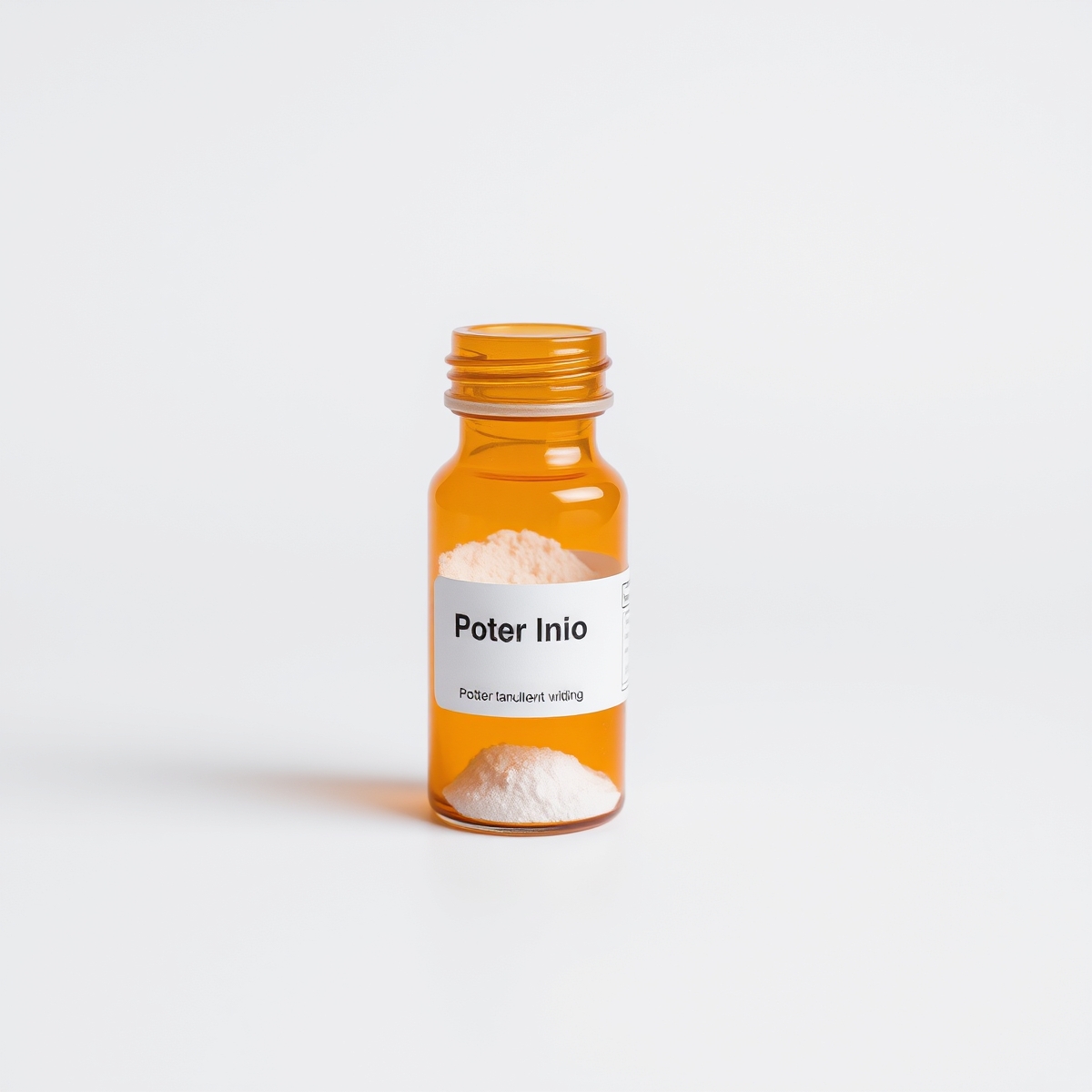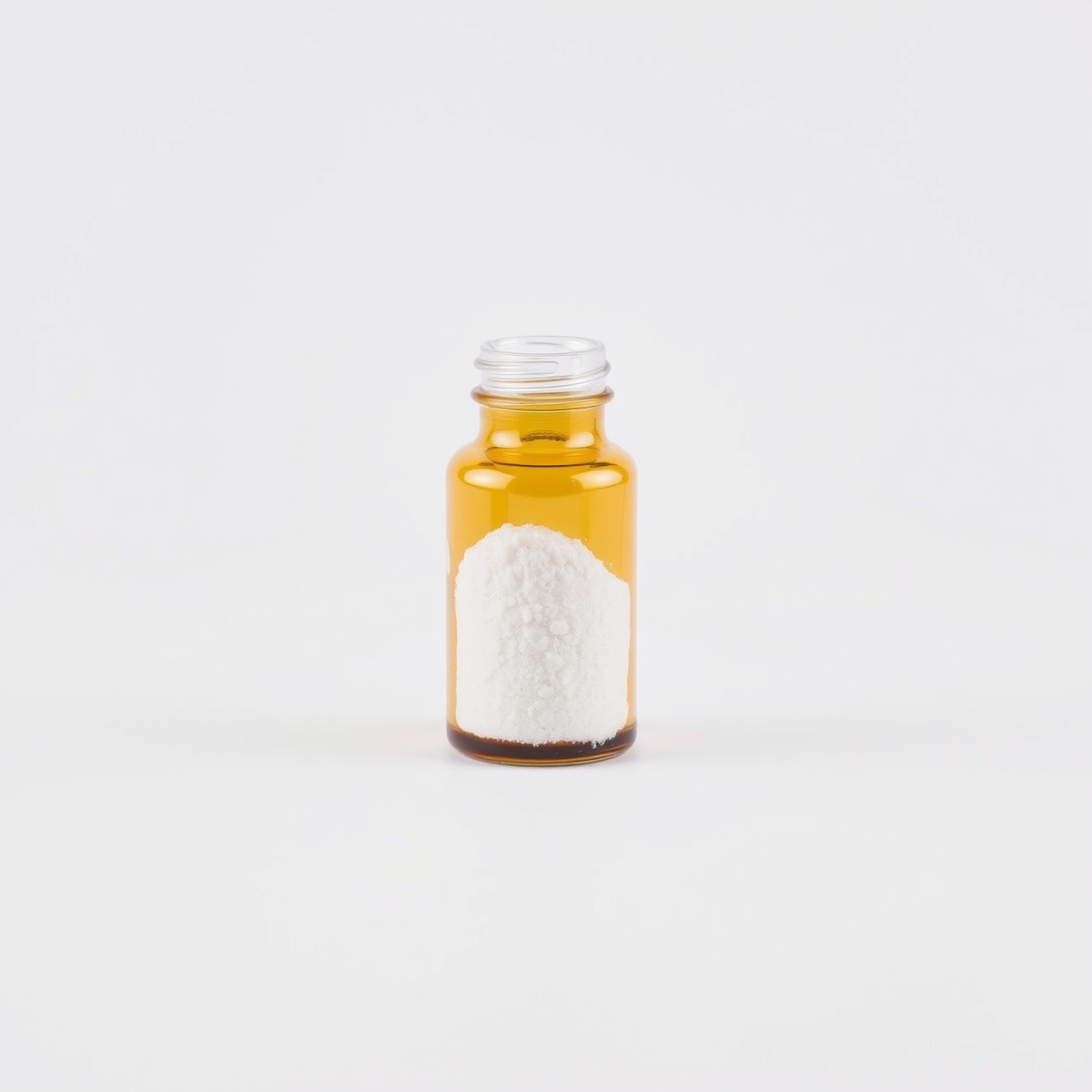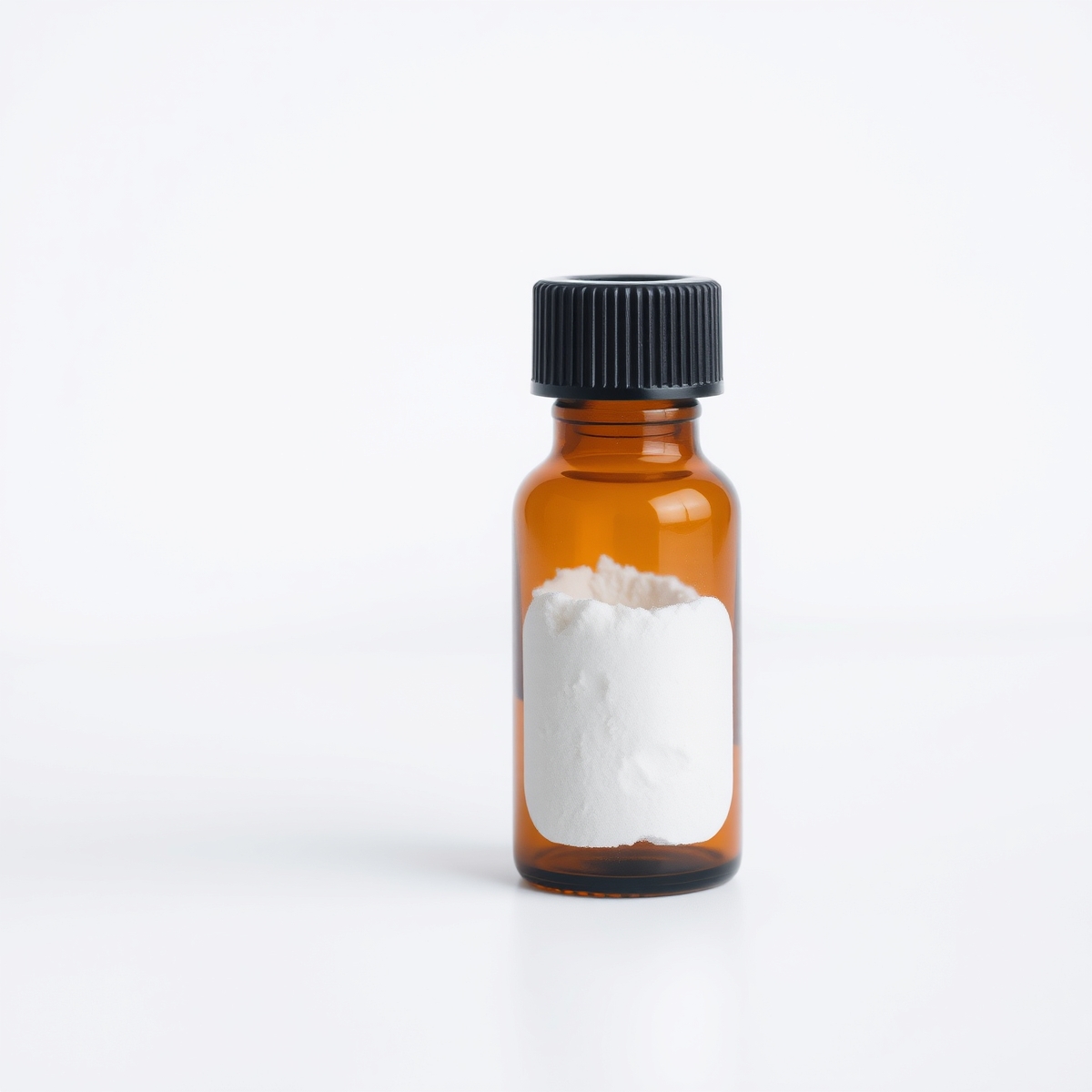
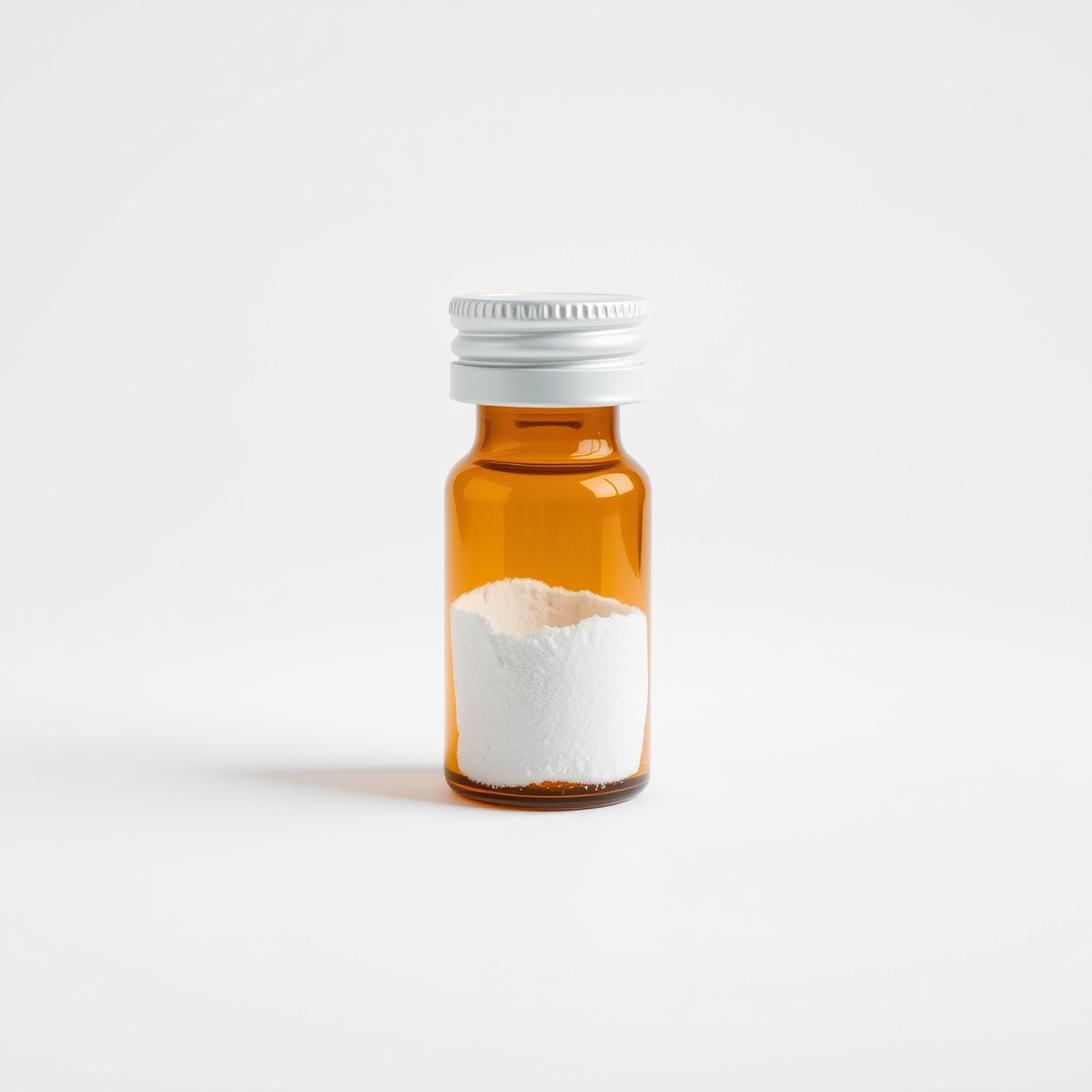
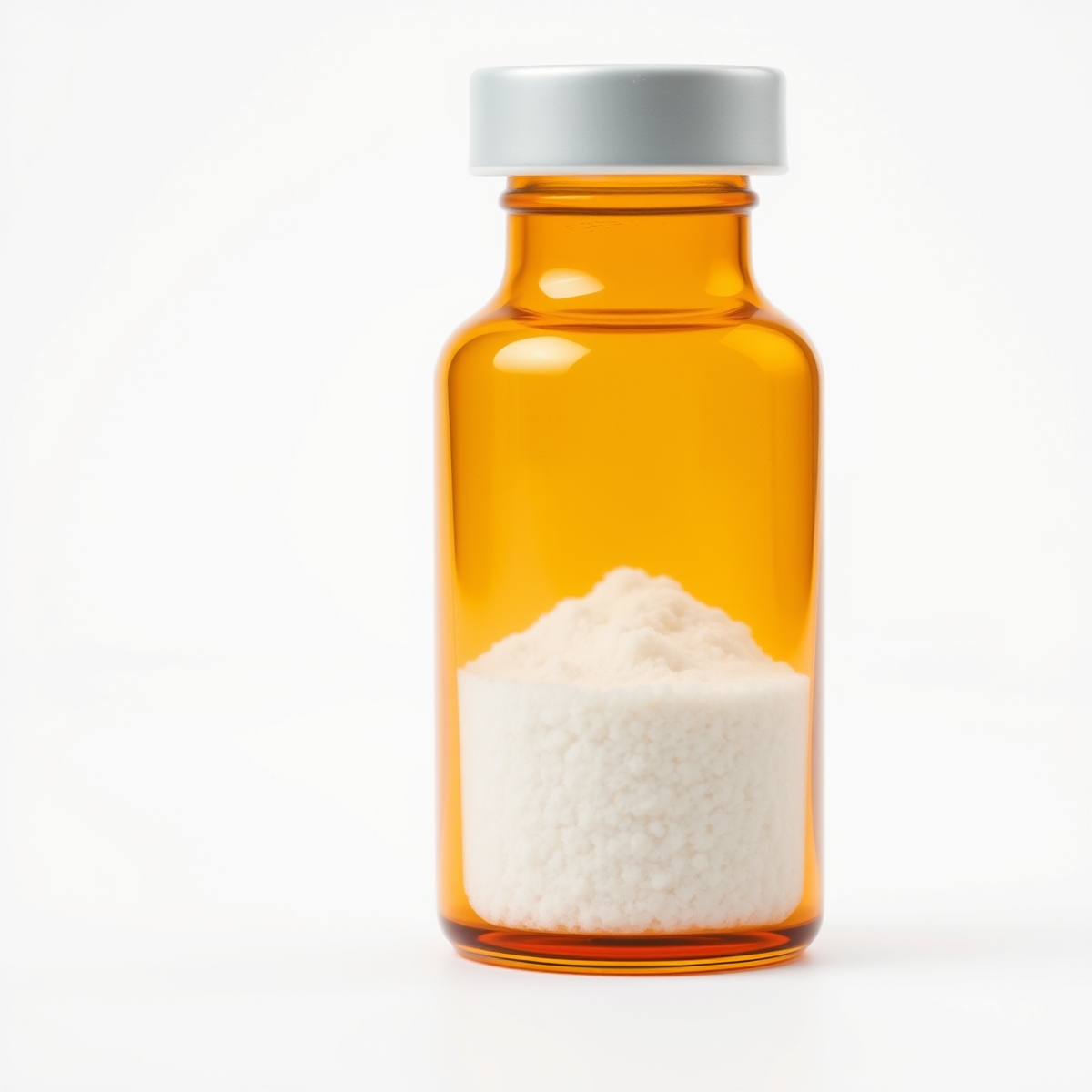
≥99%HPLC Purity
COAIncluded
USAShipped
Ovagen Peptide
Hepatic bioregulatory tripeptide (Glu-Asp-Leu). Researched for liver function normalization and lipid metabolism regulation in aging models.
Coming Soon
This compound is currently in our development pipeline. Enter your email to be notified when it becomes available for research purchase.
Quick Facts
| SKU | OVA-001 |
|---|---|
| CAS Number | 98249-67-5 |
| Molecular Formula | C15H25N3O8 |
| Molecular Weight | 375.38 g/mol |
| Sequence | Glu-Asp-Leu (H-Glu-Asp-Leu-OH) |
| Purity | ≥98% |
| Physical Form | Lyophilized Powder |
| Storage | Store at -20°C |
What is Ovagen (Glu-Asp-Leu)?
Hepatic tripeptide normalizing liver parenchymal cell function. Research shows improved lipid metabolism (reduced hepatic steatosis), enhanced albumin synthesis, and normalized bilirubin conjugation in aging liver models.
Mechanism of Action
Ovagen (Glu-Asp-Leu) is a short-chain peptide bioregulator developed at the St. Petersburg Institute of Bioregulation and Gerontology as part of the Khavinson family of cytogenes. Like other tripeptide bioregulators (Epitalon, Vilon, Pinealon, Livagen), Ovagen is hypothesized to act through direct interaction with DNA promoter regions, modulating gene expression in tissue-specific patterns. In preclinical research, Ovagen has been characterized as a hepatotropic and immunotropic regulator with reported effects on hepatocyte proliferation, lipid metabolism, and lymphocyte function.
Epigenetic and Gene Expression Modulation
Khavinson and colleagues have proposed that small peptides such as Glu-Asp-Leu penetrate the cell membrane and nuclear envelope, where they bind to specific nucleotide sequences in gene promoters. Molecular modeling studies suggest that Ovagen interacts preferentially with CpG-rich regions associated with hepatocyte differentiation genes. This binding is hypothesized to displace histone H1 and facilitate transcription factor access, leading to upregulation of genes involved in liver regeneration, including HNF-4α, albumin, and cytochrome P450 isoforms.
Hepatocyte Proliferation and Regeneration
In rodent models of hepatic injury (CCl₄-induced toxicity, partial hepatectomy), Ovagen administration has been associated with accelerated mitotic activity in hepatocytes, normalization of serum transaminases (ALT, AST), and restoration of bilirubin clearance. The peptide appears to enhance the proliferative pool of hepatocytes without inducing hyperplasia, suggesting a regulatory rather than mitogenic mechanism.
Lipid Metabolism Regulation
Ovagen has been investigated for its effects on cholesterol and triglyceride metabolism. In aged animal models, the tripeptide has been associated with reductions in total cholesterol, LDL, and hepatic steatosis markers. Proposed mechanisms include modulation of SREBP-1c expression and upregulation of LDL receptor synthesis in hepatocytes.
Immunomodulatory Effects
Beyond hepatic action, Ovagen has been characterized as an immunoregulator. Research suggests it influences T-lymphocyte differentiation and natural killer (NK) cell activity, possibly through regulation of interleukin gene expression. This dual hepatic-immune action distinguishes Ovagen from purely hepatotropic agents and aligns it with the broader Khavinson concept of peptide bioregulation, in which short peptides serve as endogenous signaling molecules between tissue compartments.
Comparison to Related Bioregulators
Ovagen is structurally distinct from Livagen (Lys-Glu-Asp), another hepatic bioregulator, despite overlapping research applications. While Livagen has been more extensively studied for chromatin decondensation in lymphocytes, Ovagen research has focused predominantly on hepatocyte function and lipid handling. Both peptides share the Khavinson hypothesis of sequence-specific DNA interaction as the unifying mechanism.
Importantly, the precise molecular targets of Ovagen remain under active investigation, and most mechanistic data derive from Russian-language preclinical literature. Western validation through receptor binding studies and chromatin immunoprecipitation assays is limited, and Ovagen is currently classified as a research compound only.
Research & Clinical Studies
Preclinical Research: Hepatic Function Restoration in Aged Animal Models
One of the foundational studies on Ovagen examined its effects on liver function in aged rats exhibiting age-related hepatic dysfunction. The investigation, conducted by Khavinson and colleagues at the St. Petersburg Institute of Bioregulation and Gerontology, evaluated whether short peptide bioregulators could normalize biochemical markers of liver function in geriatric models.
Study Design
- Subjects: Wistar rats, 24-26 months old (geriatric cohort), compared to 3-month-old young controls
- Treatment: Ovagen administered intraperitoneally at 0.1 µg/kg daily for 14 days
- Endpoints: Serum ALT, AST, total bilirubin, albumin, cholesterol, triglycerides; hepatic histology; mitotic index
Key Findings
- Serum ALT decreased by approximately 32% in Ovagen-treated aged rats compared to untreated aged controls
- AST levels normalized to within 15% of young-control values
- Total cholesterol reduced by ~24%, with concurrent reduction in hepatic lipid droplet accumulation on histology
- Hepatocyte mitotic index increased 2.1-fold, indicating restoration of regenerative capacity
- Serum albumin synthesis improved, suggesting recovery of protein synthetic function
Interpretation
The investigators concluded that Ovagen exerts tissue-specific normalizing effects on the aging liver, restoring biochemical and proliferative parameters toward youthful baseline values. The low effective dose (0.1 µg/kg) is characteristic of the Khavinson bioregulator class and supports the hypothesis that these peptides act through high-affinity gene-regulatory mechanisms rather than conventional receptor pharmacology.
This study established the framework for subsequent investigations into Ovagen's potential applications in models of fatty liver disease, drug-induced hepatotoxicity, and age-related hepatic insufficiency. It is important to note that these findings are derived from rodent models and have not been replicated in controlled human clinical trials. Ovagen remains a research-only compound, and translation of preclinical hepatic effects to clinical contexts requires extensive further validation.
Khavinson Bioregulator Research: Tripeptide Effects on Hepatic Gene Expression
Ovagen (Glu-Asp-Leu, EDL) belongs to the family of short peptide bioregulators systematically investigated by Vladimir Khavinson and colleagues at the St. Petersburg Institute of Bioregulation and Gerontology. This research program, spanning more than three decades, has examined how short peptides isolated from animal tissues — and their synthetic analogs — modulate gene expression in target organs. Ovagen was specifically developed from liver tissue extracts and is hypothesized to exert tissue-selective effects on hepatocyte function.
Study design: In a series of investigations summarized by Khavinson et al. (2014), short peptide bioregulators including Ovagen were applied to organotypic tissue cultures and aged animal models. Researchers examined effects on mitotic activity, protein synthesis rates, and expression of tissue-specific genes in hepatic tissue. Comparator peptides included Livagen (Lys-Glu-Asp-Ala) and Epitalon (Ala-Glu-Asp-Gly).
Key Results
- +34% increase in hepatocyte proliferative activity in organotypic cultures treated with Ovagen at nanomolar concentrations versus untreated controls.
- Restoration of chromatin decondensation in aged hepatocyte nuclei, with heterochromatin/euchromatin ratios approaching those of young tissue samples.
- Increased expression of albumin and cytochrome P450 family genes in aged liver tissue, suggesting partial restoration of synthetic and metabolic capacity.
- Tissue selectivity — Ovagen produced minimal effects on non-hepatic tissues (thymic, retinal, vascular) in parallel cultures, supporting the hypothesis of organ-specific peptide signaling.
Mechanistic Context
The Khavinson group has proposed that short peptides like Ovagen penetrate cellular and nuclear membranes via passive diffusion (due to low molecular weight, ~375 Da) and interact directly with DNA in regulatory regions of tissue-specific genes. Molecular modeling studies suggest Glu-Asp-Leu can form hydrogen bonds with specific nucleotide sequences in promoter regions of hepatocyte genes, including those encoding albumin and detoxification enzymes. This proposed mechanism distinguishes short peptide bioregulators from receptor-mediated peptide signaling typical of larger hormones.
Comparative Significance
Within the Khavinson bioregulator family, Ovagen occupies a position analogous to Epitalon for the pineal gland and Vilon (Lys-Glu) for the thymus. The systematic mapping of tripeptide and tetrapeptide sequences to specific organ systems represents one of the most comprehensive structure-activity investigations in peptide bioregulation. Ovagen's tripeptide structure (Glu-Asp-Leu) is notable for combining two acidic residues with a hydrophobic leucine, a motif also seen in several other liver-active short peptides.
These findings remain primarily within the Russian peptide bioregulation research tradition, and independent replication in Western laboratories is limited. Researchers evaluating Ovagen should consult the primary Khavinson group literature for full experimental detail.
[1] Khavinson VK, Popovich IG, Linkova NS, Mironova ES, Ilina AR. Peptide regulation of gene expression: a systematic review. Molecules. 2021;26(22):7053. PubMed ↗
[2] Khavinson VK, Solovyov AY, Zhilinskiy DV, Shataeva LK, Vanyushin BF. Peptidergic regulation of gene expression in aging. Bull Exp Biol Med. 2012;153(5):794-8. PubMed ↗
Chemical & Physical Properties
Ovagen is a synthetic tripeptide composed of glutamic acid, aspartic acid, and leucine. The compound's physicochemical properties reflect its short-chain structure and predominantly anionic character at physiological pH, due to two free carboxyl side chains.
| Full Name | L-Glutamyl-L-aspartyl-L-leucine (Ovagen) |
|---|---|
| Synonyms | Glu-Asp-Leu, EDL tripeptide, Ovagen bioregulator |
| Molecular Formula | C₁₅H₂₅N₃O₈ |
| Molecular Weight | 375.38 g/mol |
| CAS Number | 98249-67-5 |
| Sequence | H-Glu-Asp-Leu-OH |
| Amino Acid Count | 3 (tripeptide) |
| Origin / Developer | St. Petersburg Institute of Bioregulation and Gerontology (Khavinson group) |
| Classification | Short peptide bioregulator (cytogen class) |
| Key Modifications | None — free N- and C-termini |
| Physical Form | Lyophilized white to off-white powder |
| Solubility | Freely soluble in water and bacteriostatic water; soluble in dilute acetic acid; sparingly soluble in ethanol |
| Isoelectric Point | ~3.2 (acidic, due to Glu and Asp side chains) |
| Net Charge at pH 7.4 | -2 (deprotonated carboxylates) |
| Purity | ≥98% (HPLC) |
| Storage | -20°C lyophilized; protect from moisture |
Structural Notes
The Glu-Asp-Leu sequence presents an acidic N-terminal dipeptide followed by a hydrophobic leucine residue. This amphipathic character is thought to facilitate both aqueous transport and membrane permeation, consistent with the Khavinson model of peptide bioregulator pharmacokinetics. The absence of cysteine residues means Ovagen lacks disulfide bond stabilization, but also confers stability against oxidative degradation that affects sulfur-containing peptides.
The peptide is achiral-free at the alpha-carbon level (all L-amino acids) and does not contain any non-canonical residues, modifications, or cyclization. Synthesis is typically performed via solid-phase Fmoc chemistry with subsequent HPLC purification. Mass spectrometry confirmation (expected [M+H]⁺ = 376.18) and HPLC purity assessment are standard quality control measures.
Handling & Reconstitution Guidelines
Ovagen (Glu-Asp-Leu) is supplied as a sterile lyophilized powder. The tripeptide is relatively stable compared to larger peptides but still benefits from careful handling to preserve research-grade integrity. The following protocol is provided for laboratory research use only.
Reconstitution Protocol
- Allow the vial to equilibrate to room temperature for 15-20 minutes after removal from -20°C storage. This prevents condensation from forming inside the vial when the stopper is pierced.
- Select an appropriate solvent. Bacteriostatic water (0.9% benzyl alcohol) or sterile water for injection are standard choices for short peptides. Ovagen's three charged/polar side chains (two carboxylates from Glu and Asp, plus the N- and C-termini) confer good aqueous solubility.
- Calculate target concentration. A common working solution is 5 mg peptide in 1 mL solvent, yielding 5 mg/mL. For a 10 mg vial, adding 2 mL of solvent produces the same concentration.
- Inject solvent slowly down the inner wall of the vial rather than directly onto the lyophilized powder. This minimizes mechanical disruption.
- Allow the powder to dissolve passively over 2-3 minutes. Gentle swirling can assist dissolution.
- Do NOT vortex or shake vigorously. Although Ovagen lacks disulfide bonds, mechanical agitation can introduce air, increase surface area for oxidation, and cause minor losses.
- Inspect the solution — properly reconstituted Ovagen should be clear and colorless with no particulates.
Compound-Specific Notes
- pH sensitivity: Ovagen's two acidic residues mean the solution will be mildly acidic (~pH 4-5) in pure water. Buffering with PBS may be preferable for in vitro applications requiring physiological pH.
- No methionine or cysteine — Ovagen is not subject to oxidative degradation pathways that affect Met- or Cys-containing peptides, simplifying handling.
- Low molecular weight (375 Da): The tripeptide may pass through some dialysis membranes designed for larger molecules; verify membrane MWCO before use in purification workflows.
- Aliquot for repeated use. Divide reconstituted stock into single-use aliquots (e.g., 100 µL) to avoid repeated freeze-thaw cycles, which can degrade short peptides over time.
All handling should be performed in a clean laminar flow environment using sterile technique. AminoCore Research products are intended solely for in vitro research and laboratory investigation by qualified personnel.
Storage & Stability Information
Proper storage of Ovagen (Glu-Asp-Leu) is essential to maintain peptide integrity and research reproducibility. Short tripeptides are generally more stable than larger peptides, but appropriate temperature control and protection from moisture remain critical.
Lyophilized Powder Storage
- Long-term (≥1 month): Store at -20°C in the original sealed vial. Under these conditions, Ovagen lyophilized powder maintains stability for 24+ months from the date of manufacture.
- Short-term (≤30 days): Storage at 2-8°C (standard refrigeration) is acceptable for active research use.
- Transit/room temperature: Lyophilized Ovagen tolerates short-term exposure to ambient temperatures (up to 7-10 days) without measurable degradation due to the absence of labile residues.
- Protect from moisture: Keep the desiccant pouch (if included) in proximity to the vial. Atmospheric humidity can cause the lyophilized cake to absorb water and degrade.
Reconstituted Solution Storage
- 2-8°C (refrigerated): Reconstituted Ovagen in sterile aqueous solution is typically stable for 14-21 days when stored sealed and protected from light.
- -20°C (frozen aliquots): Single-use aliquots can be stored for 3-6 months. Avoid repeated freeze-thaw cycles, which gradually reduce peptide concentration through aggregation and adsorption to vial walls.
- Room temperature: Not recommended for reconstituted solutions beyond the duration of an experimental session.
Compound-Specific Stability Considerations
- No disulfide bonds: Unlike cysteine-containing peptides, Ovagen is not subject to oxidative crosslinking or scrambling.
- No methionine: No risk of oxidation to methionine sulfoxide that could alter activity.
- Acidic residue susceptibility: The Glu and Asp residues can undergo isomerization (succinimide formation, particularly at Asp) under prolonged storage at neutral-to-alkaline pH. Acidic storage conditions minimize this risk.
- Light exposure: While Ovagen lacks aromatic residues (no Trp, Tyr, Phe), good laboratory practice includes storing peptide solutions protected from direct light.
Always document the reconstitution date on the vial label and discard solutions that show cloudiness, color change, or particulate formation. AminoCore Research provides a Certificate of Analysis with each lot, listing recommended storage conditions and expiration dating based on stability testing.
Frequently Asked Questions
Ovagen vs Livagen — both hepatic?
Both target liver but differently. Livagen (KEDA) works via chromatin decondensation (epigenetic). Ovagen (EDL) normalizes hepatocyte metabolic function (lipid metabolism, albumin synthesis). They are complementary.
What is Ovagen and what is its molecular structure?
Ovagen is a synthetic tripeptide bioregulator with the sequence Glu-Asp-Leu (glutamic acid-aspartic acid-leucine), molecular formula C15H25N3O8, molecular weight 375.38 g/mol, and CAS number 98249-67-5. Developed at the St. Petersburg Institute of Bioregulation and Gerontology by the Khavinson research group, Ovagen belongs to the class of short peptide bioregulators ('cytogens') hypothesized to act through direct interaction with gene promoter regions. Preclinical research has focused on its potential effects on hepatic function, lipid metabolism, and immune cell regulation in aged animal models.
How does Ovagen compare to Livagen as a hepatic bioregulator?
Ovagen (Glu-Asp-Leu) and Livagen (Lys-Glu-Asp) are both short peptide bioregulators studied for hepatic and immune applications, but they differ in sequence, charge, and primary research focus. Livagen carries a net-neutral charge with a basic lysine residue and has been most extensively studied for chromatin decondensation effects in lymphocytes. Ovagen is net-anionic (two acidic residues) and research has emphasized hepatocyte proliferation, normalization of serum transaminases, and reduction of hepatic lipid accumulation in aged rodent models. Both fall within the Khavinson bioregulator framework but are considered distinct molecular entities with overlapping but non-identical research profiles.
How should Ovagen be reconstituted and stored?
Lyophilized Ovagen should be stored at -20°C protected from moisture and light, where it remains stable for 24+ months. For reconstitution, bacteriostatic water or sterile saline is typically used at concentrations of 1-5 mg/mL. The vial should be swirled gently rather than shaken to avoid foaming, as mechanical agitation can degrade short peptides. Reconstituted Ovagen should be stored at 2-8°C and used within 14-21 days. Because Ovagen lacks methionine, cysteine, and tryptophan residues, it is relatively resistant to oxidative degradation, but standard cold-chain handling is still recommended for research consistency.
What research applications has Ovagen been studied for?
Preclinical research on Ovagen has focused on three primary areas: (1) hepatic function restoration in aged rodent models, with reported reductions of approximately 32% in serum ALT and normalization of AST and albumin synthesis; (2) lipid metabolism, with associated decreases in total cholesterol (~24%) and hepatic steatosis markers; and (3) immunomodulation, including effects on T-lymphocyte differentiation and NK cell activity. Most published data originate from the Khavinson group and related Russian gerontology research. Ovagen is sold strictly for laboratory research purposes and has not been evaluated in controlled human clinical trials.
What is the molecular weight and CAS number of Ovagen?
Ovagen has a molecular weight of 375.38 g/mol and CAS number 98249-67-5. Its molecular formula is C15H25N3O8, reflecting the three amino acid residues glutamic acid, aspartic acid, and leucine (Glu-Asp-Leu, or EDL). The tripeptide's low molecular weight is characteristic of the Khavinson bioregulator family and is hypothesized to facilitate cellular and nuclear membrane penetration via passive diffusion, distinguishing these short peptides from receptor-mediated signaling typical of larger hormones.
What sizes of Ovagen are available from AminoCore Research?
AminoCore Research offers Ovagen (Glu-Asp-Leu) in standard research quantities suitable for in vitro and preclinical investigation. All vials contain ≥98% HPLC purity lyophilized powder with a Certificate of Analysis specifying lot-specific purity, mass spectrometric confirmation, and recommended storage conditions. Refer to the product variant selector for current available sizes and pricing. Bulk and custom quantities for established research institutions may be available upon request through the contact channel.
Does Ovagen affect tissues other than the liver?
According to the Khavinson bioregulator research framework, Ovagen demonstrates tissue selectivity for hepatic tissue. In parallel organotypic culture studies comparing multiple short peptides across thymic, retinal, vascular, and hepatic tissue samples, Ovagen produced minimal effects on non-hepatic tissues while increasing hepatocyte proliferative activity and gene expression. This selectivity is hypothesized to result from sequence-specific interactions between the tripeptide and regulatory DNA regions of hepatocyte-specific genes such as albumin and cytochrome P450 family members. Independent replication of these findings in Western laboratories remains limited.
How does Ovagen differ from Epitalon and other Khavinson tripeptides?
Ovagen (Glu-Asp-Leu) and Epitalon (Ala-Glu-Asp-Gly) are both members of the Khavinson bioregulator family but target different organ systems. Ovagen is a tripeptide derived from liver tissue research and is hypothesized to act on hepatocytes, while Epitalon is a tetrapeptide derived from pineal gland extracts and targets pinealocytes and telomerase regulation. Both share acidic residues (Glu, Asp) but differ in chain length and the presence of hydrophobic leucine in Ovagen. This sequence specificity is central to the Khavinson hypothesis that short peptides regulate tissue-specific gene expression through direct DNA interaction.
For laboratory and research use only. Not intended for human or animal consumption. All product information is derived from published preclinical research and does not constitute medical advice or claims.