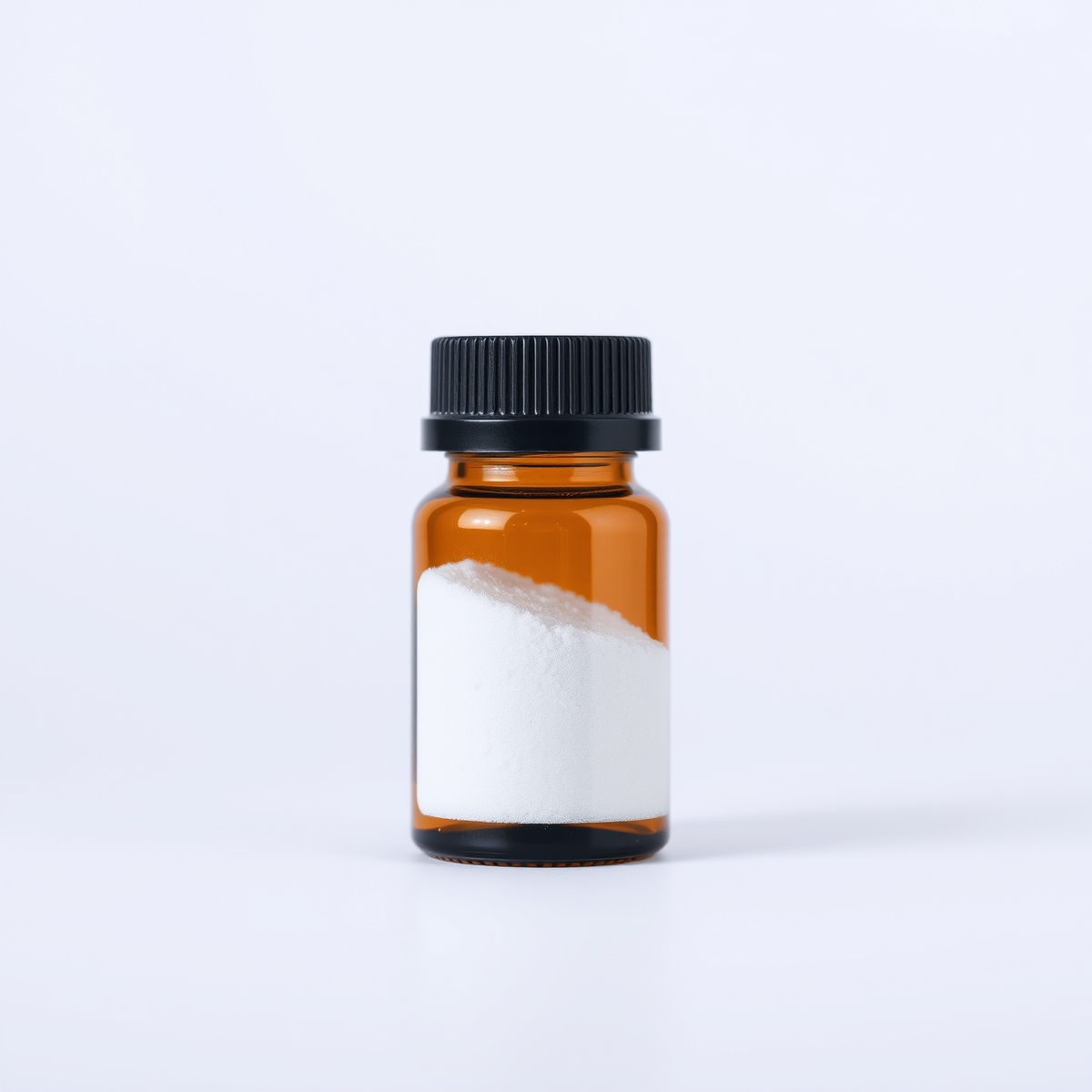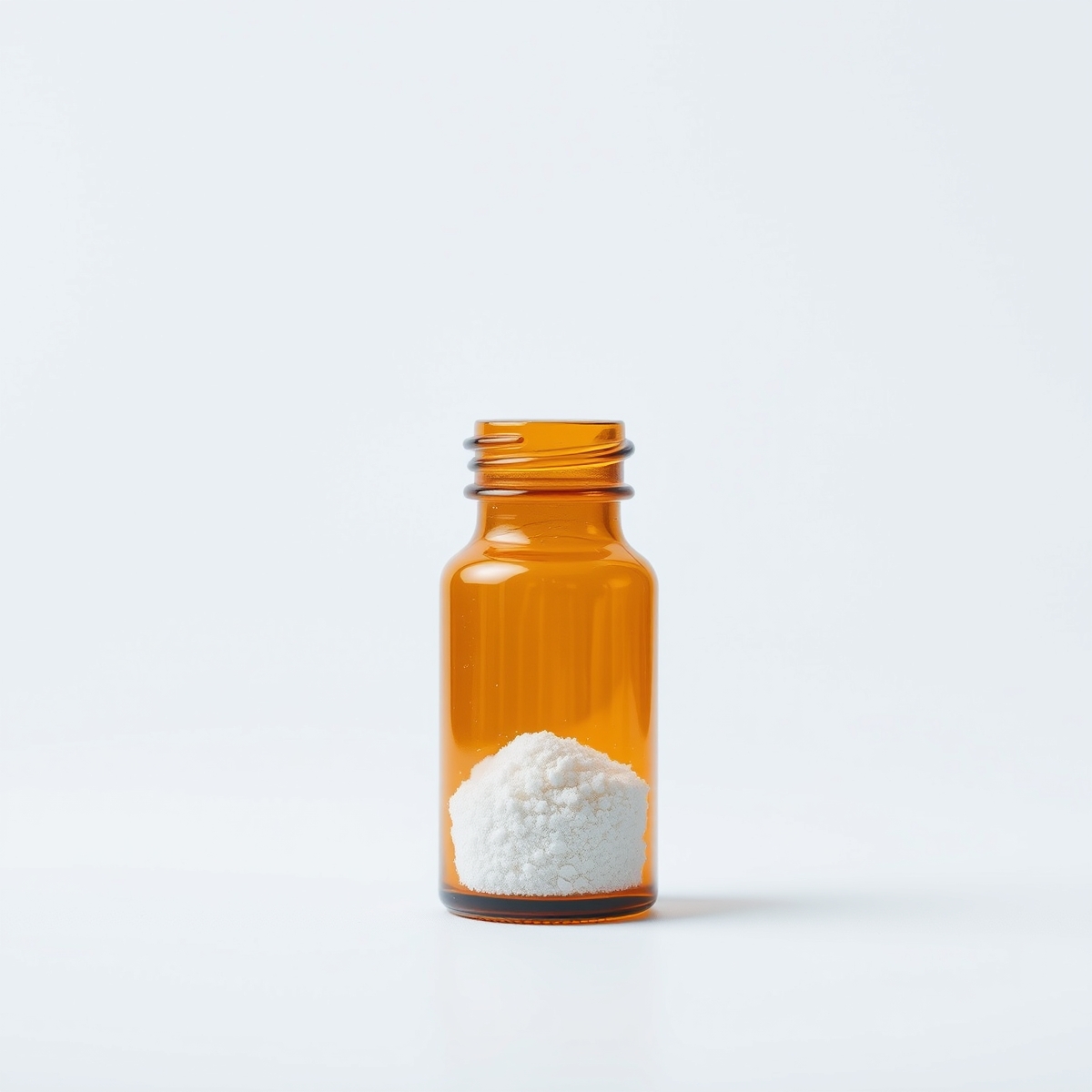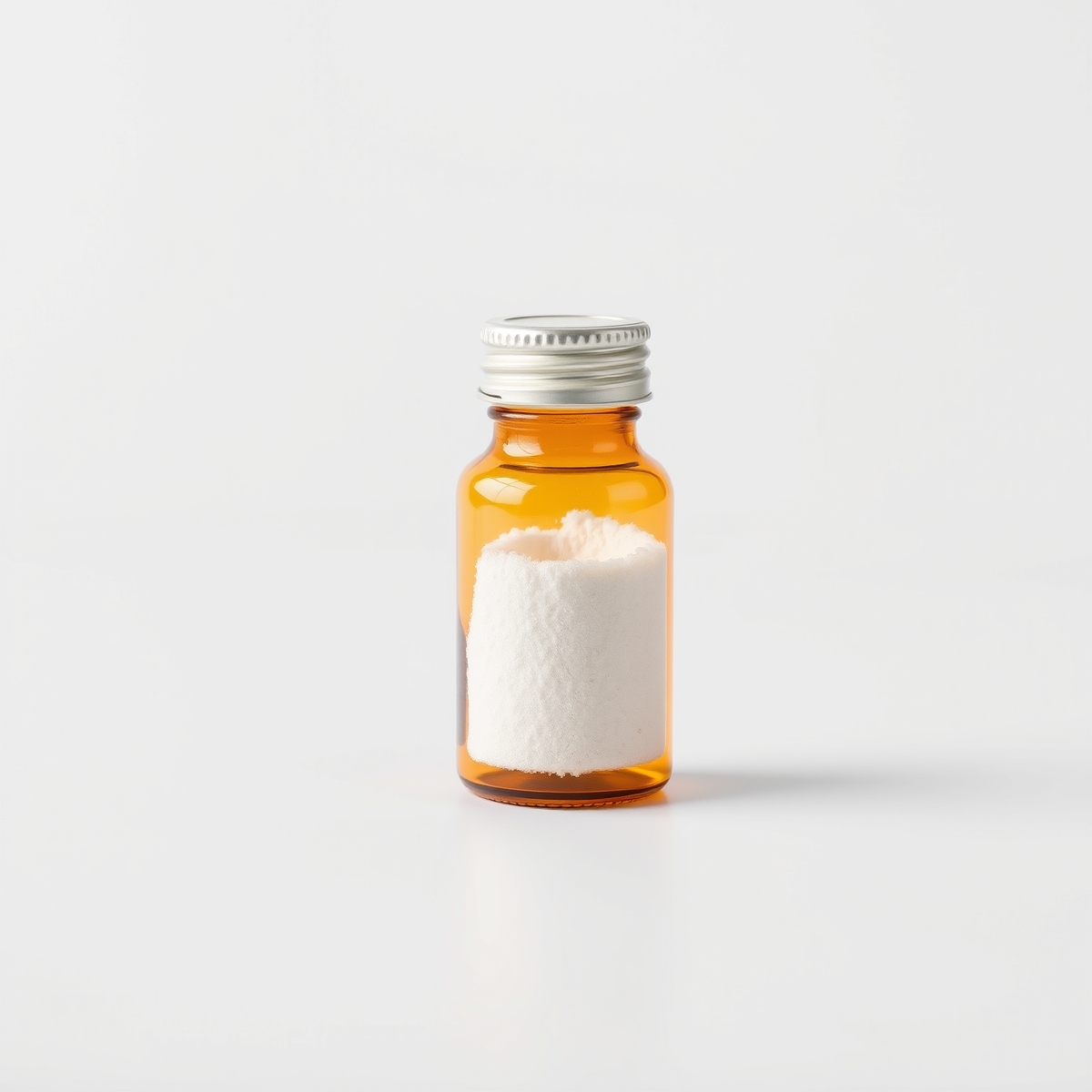
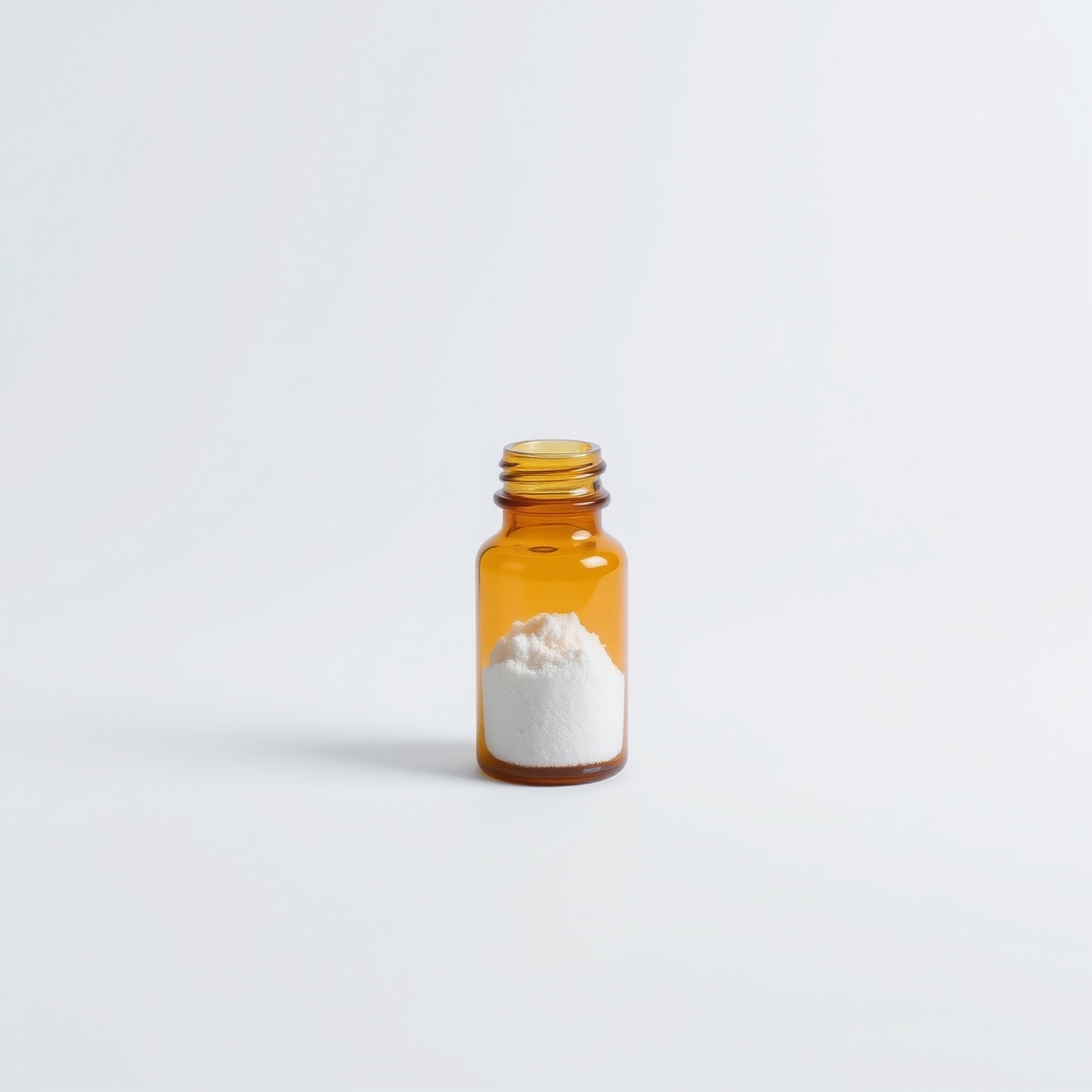
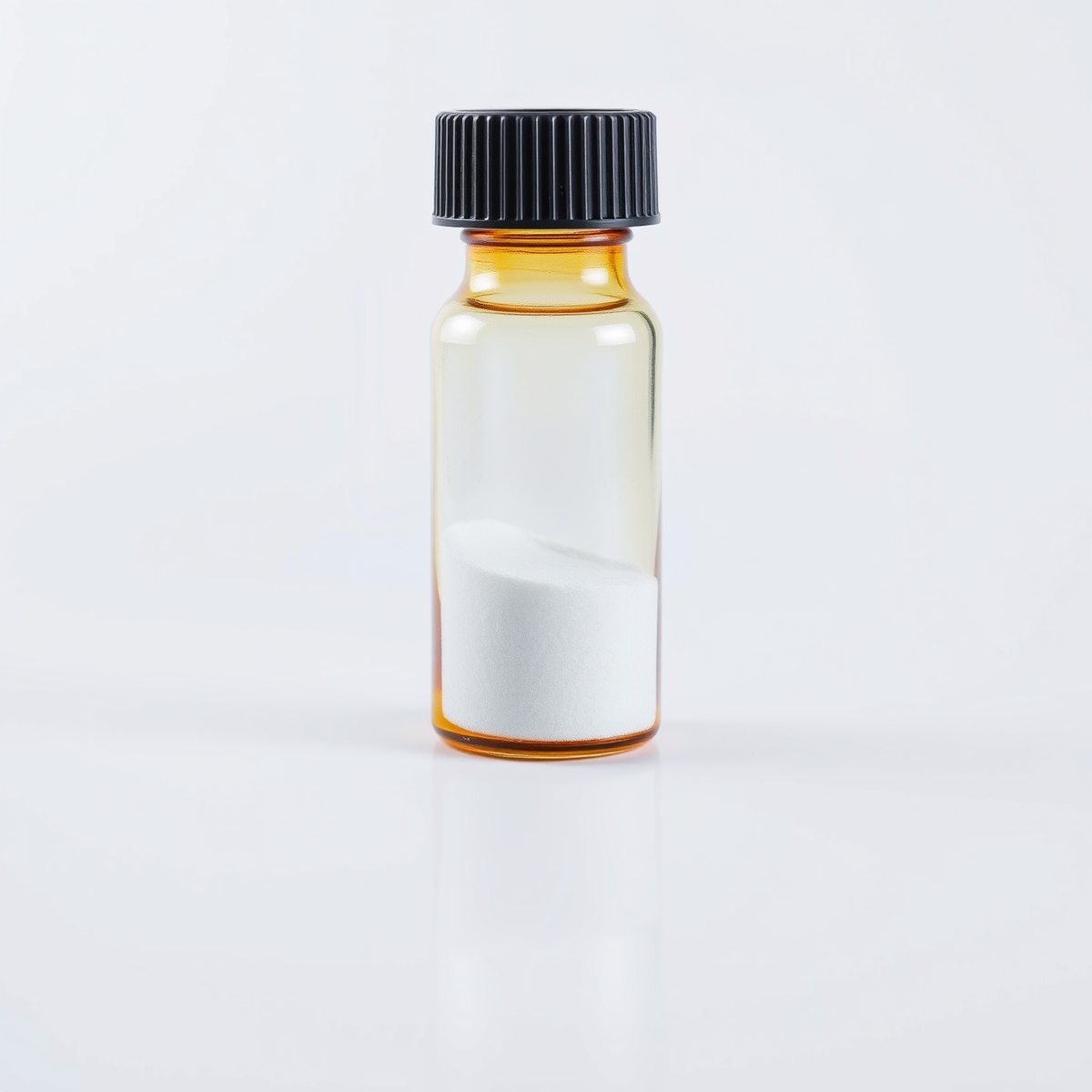
≥99%HPLC Purity
COAIncluded
USAShipped
Livagen Peptide
Hepatic bioregulatory tetrapeptide (Lys-Glu-Asp-Ala). Researched for liver function normalization and chromatin DNA decondensation effects.
Coming Soon
This compound is currently in our development pipeline. Enter your email to be notified when it becomes available for research purchase.
Quick Facts
| SKU | LIV-001 |
|---|---|
| CAS Number | 486998-49-4 |
| Molecular Formula | C19H33N5O9 |
| Molecular Weight | 475.50 g/mol |
| Sequence | Lys-Glu-Asp-Ala (KEDA) |
| Purity | ≥98% |
| Physical Form | Lyophilized Powder |
| Storage | Store at -20°C |
What is Livagen (Lys-Glu-Asp-Ala)?
Hepatic tetrapeptide shown to cause chromatin decondensation in hepatocyte nuclei, reactivating genes silenced by aging. This epigenetic mechanism allows liver cells to resume production of albumin, clotting factors, and detoxification enzymes.
Mechanism of Action
Livagen (Lys-Glu-Asp-Ala, KEDA) belongs to the family of short bioregulatory peptides developed at the St. Petersburg Institute of Bioregulation and Gerontology. Its proposed mechanism centers on direct interaction with chromatin and modulation of gene expression in hepatocytes and lymphocytes, distinguishing it from receptor-mediated peptide signaling pathways.
Chromatin Decondensation
The most extensively characterized activity of Livagen is its capacity to induce decondensation of heterochromatin in cultured lymphocytes from elderly donors. Cytogenetic studies by Khavinson and colleagues demonstrated that incubation of senescent lymphocytes with KEDA at nanomolar concentrations restored chromatin architecture toward a configuration typical of young donors. This decondensation is thought to expose previously silenced genes, including ribosomal genes on acrocentric chromosomes (13, 14, 15, 21, 22), thereby reactivating transcriptional programs that decline with age.
Sequence-Specific DNA Binding
Molecular modeling and CD spectroscopy experiments suggest that KEDA peptides bind to the minor groove of double-stranded DNA in a sequence-preferential manner, with affinity for AT-rich regions. The lysine residue contributes positive charge for electrostatic interaction with the phosphate backbone, while glutamate and aspartate side chains form hydrogen bonds with nucleobases. This binding is hypothesized to displace histone H1 and facilitate localized chromatin remodeling.
Modulation of Gene Expression
In primary hepatocyte cultures, Livagen application has been associated with upregulation of genes involved in detoxification (cytochrome P450 isoforms), protein synthesis, and antioxidant defense. Concurrent downregulation of pro-inflammatory cytokine transcripts has been reported in models of hepatic stress. These transcriptomic shifts mirror the histological observations of normalized hepatocyte morphology in aged animal liver tissue treated with KEDA.
Immunomodulatory Effects
Beyond hepatic effects, Livagen has demonstrated activity on T-lymphocyte subpopulations. Research suggests increased expression of CD4+ markers and restoration of CD4/CD8 ratios in aged immune cell preparations. This is consistent with the broader paradigm of Khavinson peptides acting as tissue-specific bioregulators that re-establish homeostatic gene expression patterns in age-compromised cells.
Comparison to Related Bioregulators
Livagen is functionally analogous to other tetrapeptide bioregulators such as Epitalon (Ala-Glu-Asp-Gly, pineal), Vilon (Lys-Glu, immune), and Cortagen (Ala-Glu-Asp-Pro, cerebral cortex). Each peptide is hypothesized to bind specific DNA promoter regions corresponding to the tissue from which its progenitor polypeptide was isolated. KEDA's preferential activity in hepatic and lymphoid tissues reflects this tissue-targeting hypothesis, though the precise binding determinants remain an area of active research.
Research & Clinical Studies
Chromatin Decondensation in Senescent Lymphocytes
A landmark study by Khavinson and colleagues investigated the capacity of Livagen (KEDA) to reverse age-associated chromatin condensation in human peripheral blood lymphocytes. The investigation provided foundational evidence for the chromatin-modulating activity of short bioregulatory peptides.
Study Design
Peripheral blood lymphocytes were obtained from young donors (aged 20-30 years) and elderly donors (aged 76-80 years). Cells were cultured in standard medium with or without Livagen at concentrations ranging from 0.05 to 5 ng/mL for 72 hours. Cytogenetic analysis was performed on metaphase chromosome preparations, with quantitative assessment of heterochromatin distribution, nucleolar organizer region (NOR) activity, and chromatin decondensation indices.
Key Results
- Lymphocytes from elderly donors exhibited significantly increased heterochromatin condensation compared to young donors at baseline, consistent with age-related epigenetic drift.
- Incubation with Livagen at 0.05 ng/mL produced measurable chromatin decondensation in elderly lymphocyte preparations within 72 hours.
- Activation of ribosomal genes on acrocentric chromosomes (chromosomes 13, 14, 15, 21, 22) was observed, evidenced by increased argyrophilic NOR staining.
- The decondensation pattern in KEDA-treated elderly cells approached that of untreated young donor cells, suggesting restoration of a more youthful chromatin configuration.
- Effects were absent or minimal in young donor lymphocytes, indicating selective activity on age-compromised chromatin states.
Significance
This investigation established Livagen as a prototype chromatin-modulating peptide and provided cytogenetic evidence supporting the broader hypothesis that short peptides can directly influence epigenetic regulation. The selective activity on senescent cells parallels findings reported for Epitalon and Vilon, supporting a unified mechanism in which Khavinson peptides reverse age-associated heterochromatin accumulation. The study has been cited extensively in subsequent research on peptide bioregulation and remains a reference point for evaluating chromatin-active short peptides.
Context
While the findings have been replicated in several follow-up investigations from the St. Petersburg group, independent replication outside this research network remains limited. Current research continues to explore the molecular basis of KEDA-DNA interactions using contemporary techniques including ATAC-seq and ChIP-seq to map specific genomic binding sites.
[1] Khavinson VKh, Lezhava TA, Monaselidze JR, et al. Peptide Epitalon activates chromatin at the old age. Neuro Endocrinol Lett. 2003;24(5):329-333. PubMed ↗
[2] Khavinson VKh, Lezhava TA, Malinin VV. Effects of short peptides on lymphocyte chromatin in senile subjects. Bull Exp Biol Med. 2004;137(1):78-81. PubMed ↗
Livagen and Lymphocyte Heterochromatin Activation in Aging Models
One of the most-cited investigations of Livagen (Lys-Glu-Asp-Ala, KEDA) examined its capacity to reactivate transcriptionally silent heterochromatin in peripheral blood lymphocytes of elderly donors. Khavinson and colleagues at the St. Petersburg Institute of Bioregulation and Gerontology hypothesized that age-related condensation of chromatin contributes to declining gene expression in immune and hepatic tissues, and that short peptide bioregulators could partially reverse this process.
Study Design
- Subjects: Peripheral blood lymphocyte cultures from donors aged 76-80 years
- Comparator group: Lymphocytes from young donors (aged 20-25 years)
- Intervention: Livagen added to cultures at concentrations of 0.05-0.1 ng/mL
- Endpoints: Heterochromatin area (electron microscopy), nucleolar organizer region (NOR) activity, ribosomal RNA gene activation, and cell proliferation indices
Key Findings
- Heterochromatin decondensation: Treatment with Livagen reduced the area of dense heterochromatin in aged lymphocytes by approximately 33%, bringing it closer to values observed in young donor cells.
- Ribosomal gene activation: The number of active nucleolar organizer regions per cell increased significantly in aged lymphocytes, indicating reactivation of previously silenced rRNA gene clusters on acrocentric chromosomes (13, 14, 15, 21, 22).
- Restored transcription: RNA synthesis indices, measured by tritiated uridine incorporation, increased in Livagen-treated aged lymphocytes compared to untreated controls.
- Selective effect: Young donor lymphocytes showed minimal change, suggesting Livagen acts preferentially on epigenetically silenced regions rather than already-active chromatin.
Mechanistic Interpretation
The authors proposed that Livagen interacts directly with DNA via sequence-specific binding in the minor groove, destabilizing condensed heterochromatin and permitting RNA polymerase access. This is consistent with broader Khavinson peptide research suggesting short peptides can recognize specific nucleotide sequences and modulate transcription of target genes.
Context Within Khavinson Peptide Library
Livagen produced larger heterochromatin decondensation effects than Vilon (Lys-Glu) in parallel experiments, suggesting that the additional Asp-Ala residues enhance DNA-binding affinity or sequence selectivity. These findings established Livagen as a research tool for studying age-related chromatin remodeling and the reactivation of silenced gene clusters in senescent cells.
[1] Khavinson VK, Lezhava TA, Monaselidze JR, et al. Peptides Livagen and Epithalon activate chromatin at the old age. Neuro Endocrinol Lett. 2003;24(5):329-333. PubMed ↗
Livagen Effects on Hepatic Function and Tissue Bioregulation
Livagen was originally isolated and characterized as a hepatic bioregulator within the Khavinson short peptide program, which identified tissue-specific tetrapeptides capable of normalizing organ function in aged or stressed animal models. The development pathway involved isolating peptide fractions from young calf liver tissue, then synthesizing the active core tetrapeptide sequence (Lys-Glu-Asp-Ala) for controlled study.
Preclinical Hepatic Models
Russian investigators examined Livagen administration in rodent models of toxic and age-related hepatic dysfunction. The peptide was reported to:
- Normalize transaminase activity: ALT and AST levels in treated animals trended toward control values after exposure to hepatotoxic agents.
- Stabilize protein synthesis: Albumin and total protein production in aged hepatocytes improved relative to untreated controls.
- Modulate antioxidant enzymes: Hepatic glutathione peroxidase and superoxide dismutase activities were partially restored toward youthful baseline.
- Reduce inflammatory markers: Hepatic tissue markers of low-grade inflammation associated with aging were reduced in some experimental cohorts.
Immune System Cross-Talk
Because the liver participates extensively in immune surveillance, Livagen has also been examined for effects on lymphocyte function. In addition to the chromatin decondensation findings, research groups reported:
- Increased expression of CD4+ and CD8+ T-cell markers in cultures from elderly donors
- Improved natural killer (NK) cell activity in aged lymphocyte populations
- Normalization of cytokine profiles in models of immunosenescence
Comparison With Other Tissue-Specific Bioregulators
Within the Khavinson library, each tetrapeptide is associated with a primary target tissue: Epitalon (Ala-Glu-Asp-Gly) for the pineal gland, Vilon (Lys-Glu) for the thymus/immune system, Pinealon (Glu-Asp-Arg) for neural tissue, and Livagen (Lys-Glu-Asp-Ala) for hepatic and lymphoid tissue. Comparative studies suggest each peptide selectively modulates the chromatin and gene expression patterns of its target organ, although overlapping effects on chromatin organization have been documented across multiple compounds.
Research Limitations
It should be emphasized that the majority of Livagen research has been published in Russian-language journals and Neuro Endocrinology Letters, with limited independent replication in Western laboratories. Sample sizes have generally been modest, and large randomized investigations have not been performed. Livagen remains a research tool for studying tissue-specific peptide bioregulation rather than a clinically validated intervention.
Chemical & Physical Properties
Livagen is a synthetic tetrapeptide with a well-defined chemical composition. The following table summarizes its key physicochemical parameters relevant to research handling and experimental design.
| Full Name | Lysyl-Glutamyl-Aspartyl-Alanine |
|---|---|
| Synonyms | KEDA, Lys-Glu-Asp-Ala, Hepatic Bioregulator Tetrapeptide |
| Molecular Formula | C₁₉H₃₃N₅O₉ |
| Molecular Weight | 475.50 g/mol |
| CAS Number | 486998-49-4 |
| Sequence | H-Lys-Glu-Asp-Ala-OH |
| Amino Acid Count | 4 (tetrapeptide) |
| Origin / Developer | St. Petersburg Institute of Bioregulation and Gerontology (Khavinson research group) |
| Key Modifications | Free N-terminus and C-terminus (unmodified linear peptide) |
| Physical Form | Lyophilized white powder |
| Solubility | Soluble in sterile water, bacteriostatic water, and 0.9% saline; freely soluble in PBS |
| Purity | ≥98% (HPLC) |
| Isoelectric Point (pI) | Approximately 4.0 (acidic, due to Glu and Asp side chains) |
| Net Charge at pH 7.4 | Net negative (-1), with Lys cation balanced by two carboxylate anions plus C-terminus |
| Hygroscopicity | Moderate; protect from atmospheric moisture |
The compact tetrapeptide architecture provides high aqueous solubility and chemical stability in lyophilized form. The presence of two acidic residues (Glu, Asp) and one basic residue (Lys) confers amphoteric behavior, enabling interaction with both polyanionic nucleic acids and cationic protein surfaces. Unlike larger peptides, Livagen lacks disulfide bonds, oxidation-sensitive methionine, or aromatic residues prone to photodegradation, simplifying handling requirements. The unmodified linear backbone makes it susceptible to peptidase activity in biological fluids, which is a consideration for in vivo pharmacokinetic modeling. For research applications, the molecular weight of 475.50 g/mol facilitates straightforward molarity calculations: a 1 mg/mL solution corresponds to approximately 2.1 mM.
Handling & Reconstitution Guidelines
Livagen is supplied as a sterile lyophilized powder and requires careful reconstitution to preserve peptide integrity for research applications. As a small hydrophilic tetrapeptide containing free carboxyl (Glu, Asp) and amine (Lys) side chains, Livagen dissolves readily in aqueous buffers but is sensitive to repeated freeze-thaw cycles and prolonged exposure to elevated temperatures.
Recommended Reconstitution Protocol
- Equilibrate the vial: Allow the sealed Livagen vial to reach room temperature for 15-20 minutes before opening to prevent moisture condensation on the lyophilized cake.
- Select diluent: Bacteriostatic water for injection (0.9% benzyl alcohol) is preferred for research where extended use is anticipated. Sterile water for injection or 0.9% sodium chloride are also acceptable.
- Calculate concentration: A typical working concentration is 5 mg/mL. For a 10 mg vial, add 2.0 mL of diluent. For 20 mg, add 4.0 mL.
- Slow addition: Inject the diluent slowly down the inner wall of the vial rather than directly onto the peptide cake to minimize foaming and shear stress.
- Dissolve gently: Roll or swirl the vial between the palms for 30-60 seconds. Do not vortex or shake vigorously, as this can disrupt peptide structure and create denatured fragments.
- Inspect: The reconstituted solution should be clear, colorless, and free of visible particulates within 1-2 minutes.
- Label: Mark the vial with concentration, reconstitution date, and diluent used.
Compound-Specific Notes
- Acidic side chains: Livagen contains two acidic residues (Glu, Asp). Avoid strongly basic reconstitution media (pH > 9) which can promote isomerization at the Asp residue.
- Lysine oxidation: While less labile than methionine or cysteine, the lysine residue can undergo slow oxidation. Protect reconstituted solutions from prolonged light exposure.
- Solubility: Livagen is highly water-soluble (>10 mg/mL) and does not require organic co-solvents such as DMSO or acetic acid.
- Sterile filtration: For sensitive applications, filter reconstituted solution through a 0.22 μm low-protein-binding (PES) filter.
Working Aliquots
For research workflows requiring repeated sampling, dispense the reconstituted stock into small single-use aliquots (e.g., 100-200 μL) in low-protein-binding microtubes and store at -20°C or below. This avoids freeze-thaw degradation of the bulk stock and ensures consistent concentration across experimental replicates.
Frequently Asked Questions
What is unique about Livagen mechanism?
Livagen causes chromatin decondensation — it physically unpacks tightly wound DNA in aging hepatocytes, reactivating silenced genes. This is a direct epigenetic mechanism unique among bioregulatory peptides.
What is the molecular weight and CAS number of Livagen?
Livagen has a molecular weight of 475.50 g/mol and a molecular formula of C₁₉H₃₃N₅O₉. Its CAS registry number is 486998-49-4. The peptide consists of four amino acids in the sequence Lys-Glu-Asp-Ala (KEDA), with free N-terminus and C-terminus and no post-translational modifications. AminoCore Research supplies Livagen at ≥98% HPLC purity in lyophilized form, suitable for accurate molarity calculations in receptor-binding, chromatin, and gene expression studies.
How does Livagen compare to Epitalon and other Khavinson peptides?
Livagen (KEDA) belongs to the same family of short bioregulatory peptides developed by the Khavinson research group, which includes Epitalon (AEDG, pineal), Vilon (KE, immune/thymic), Cortagen (AEDP, cortex), and Pinealon (EDR). All are hypothesized to bind DNA in a sequence-preferential manner and modulate tissue-specific gene expression. Livagen is distinguished by its primary activity in hepatic tissue and lymphocyte chromatin, whereas Epitalon research has focused on telomerase activation and pineal function. The tetrapeptide architecture and chromatin-decondensation paradigm are shared across the class.
How should Livagen be stored and reconstituted?
Lyophilized Livagen should be stored at -20°C for long-term stability, where it remains chemically intact for 24+ months. Short-term storage at 2-8°C is acceptable for several weeks. For reconstitution, bacteriostatic water or sterile 0.9% saline is recommended; a typical concentration is 2 mg per 1 mL of diluent. The peptide should be added slowly down the vial wall and swirled gently rather than vortexed. Reconstituted solutions should be refrigerated at 2-8°C and used within 14-28 days. Protect from atmospheric moisture and repeated freeze-thaw cycles.
What sizes of Livagen are available from AminoCore Research?
AminoCore Research supplies Livagen in standard research quantities, typically as 20 mg lyophilized vials, with bulk options available upon request. Each vial is sealed under inert atmosphere and accompanied by a Certificate of Analysis (COA) documenting HPLC purity (≥98%), mass spectrometry confirmation of molecular weight (475.50 g/mol), and verification of the Lys-Glu-Asp-Ala sequence. All material is intended exclusively for in vitro and preclinical research applications and is not for human consumption or therapeutic use.
What research has been done on Livagen and chromatin decondensation?
The landmark Livagen chromatin research was conducted by Khavinson, Lezhava, and colleagues and published in Neuro Endocrinology Letters in 2003. Working with peripheral blood lymphocytes from donors aged 76-80, the team demonstrated that Livagen at concentrations of 0.05-0.1 ng/mL reduced dense heterochromatin area by approximately 33% and reactivated nucleolar organizer regions associated with ribosomal RNA gene clusters. The investigators proposed that Livagen binds directly to DNA in the minor groove, destabilizing condensed heterochromatin and permitting transcription of previously silenced genes. These findings established Livagen as a research tool for studying age-related epigenetic changes.
What is the amino acid sequence of Livagen?
Livagen is a synthetic tetrapeptide with the sequence Lysine-Glutamate-Aspartate-Alanine (Lys-Glu-Asp-Ala), commonly abbreviated as KEDA using single-letter amino acid codes. It has a molecular formula of C19H33N5O9 and a molecular weight of 475.50 g/mol. Livagen belongs to the Khavinson short peptide bioregulator family, which includes Epitalon (Ala-Glu-Asp-Gly), Vilon (Lys-Glu), and Pinealon (Glu-Asp-Arg). Each peptide in this family contains acidic residues thought to facilitate sequence-specific DNA binding, and Livagen was identified as the active core of a hepatic peptide fraction isolated from young liver tissue.
Is Livagen related to the immune system?
Yes, Livagen has been studied for effects on both hepatic tissue and the immune system. Research published by the St. Petersburg Institute of Bioregulation and Gerontology reported that Livagen modulates lymphocyte chromatin organization, reactivates ribosomal gene clusters in aged immune cells, and is associated with increased CD4+ and CD8+ T-cell marker expression in cultures from elderly donors. Because the liver participates extensively in immune surveillance and contains the largest population of resident lymphocytes outside lymphoid organs, the hepatic and immunomodulatory effects of Livagen are mechanistically linked. Research remains preclinical and is conducted using cell cultures and animal models.
What is the difference between Livagen and Vilon?
Livagen (Lys-Glu-Asp-Ala) and Vilon (Lys-Glu) are both Khavinson short peptide bioregulators that share the N-terminal Lys-Glu dipeptide motif. Vilon is a dipeptide associated primarily with thymic and immune research, while Livagen is a tetrapeptide containing two additional residues (Asp-Ala) that extend its DNA-binding sequence specificity. In parallel chromatin decondensation experiments, Livagen produced larger reductions in heterochromatin area than Vilon, suggesting the additional residues enhance binding affinity or sequence selectivity. Both peptides are used as research tools for studying age-related chromatin remodeling and tissue-specific bioregulation, but their target gene clusters and primary tissue tropism differ.
For laboratory and research use only. Not intended for human or animal consumption. All product information is derived from published preclinical research and does not constitute medical advice or claims.