≥99%HPLC Purity
COAIncluded
USAShipped
AC-GLW
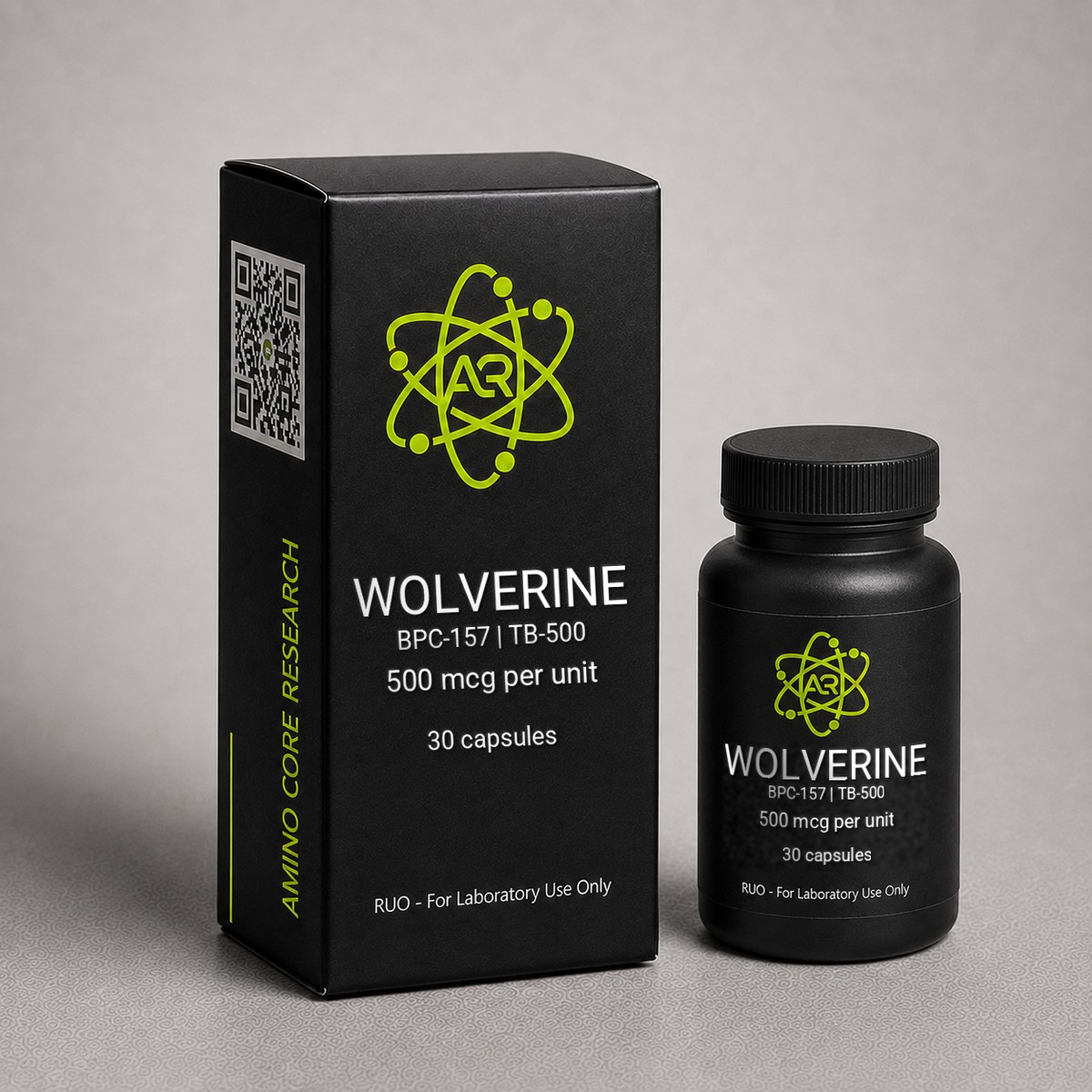
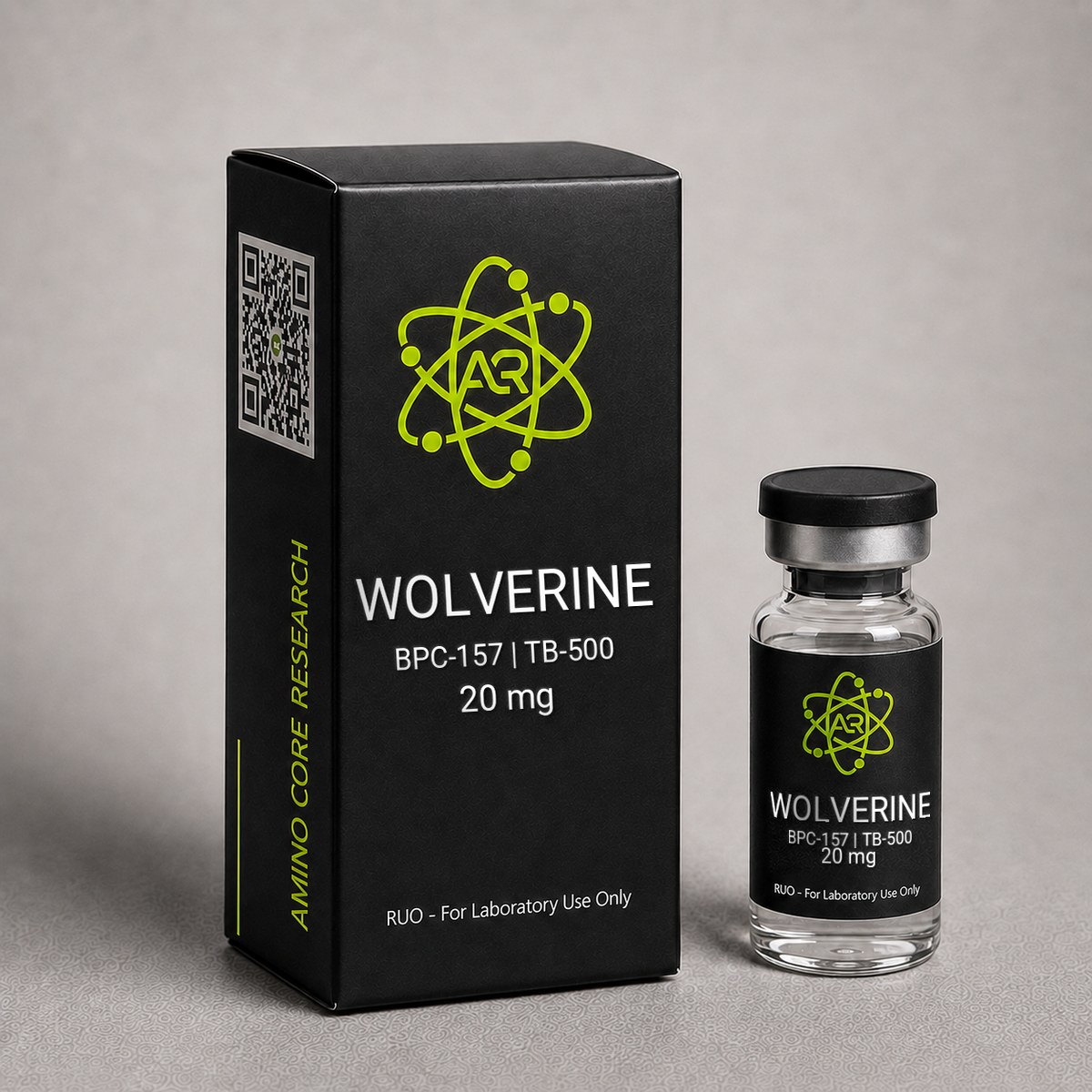
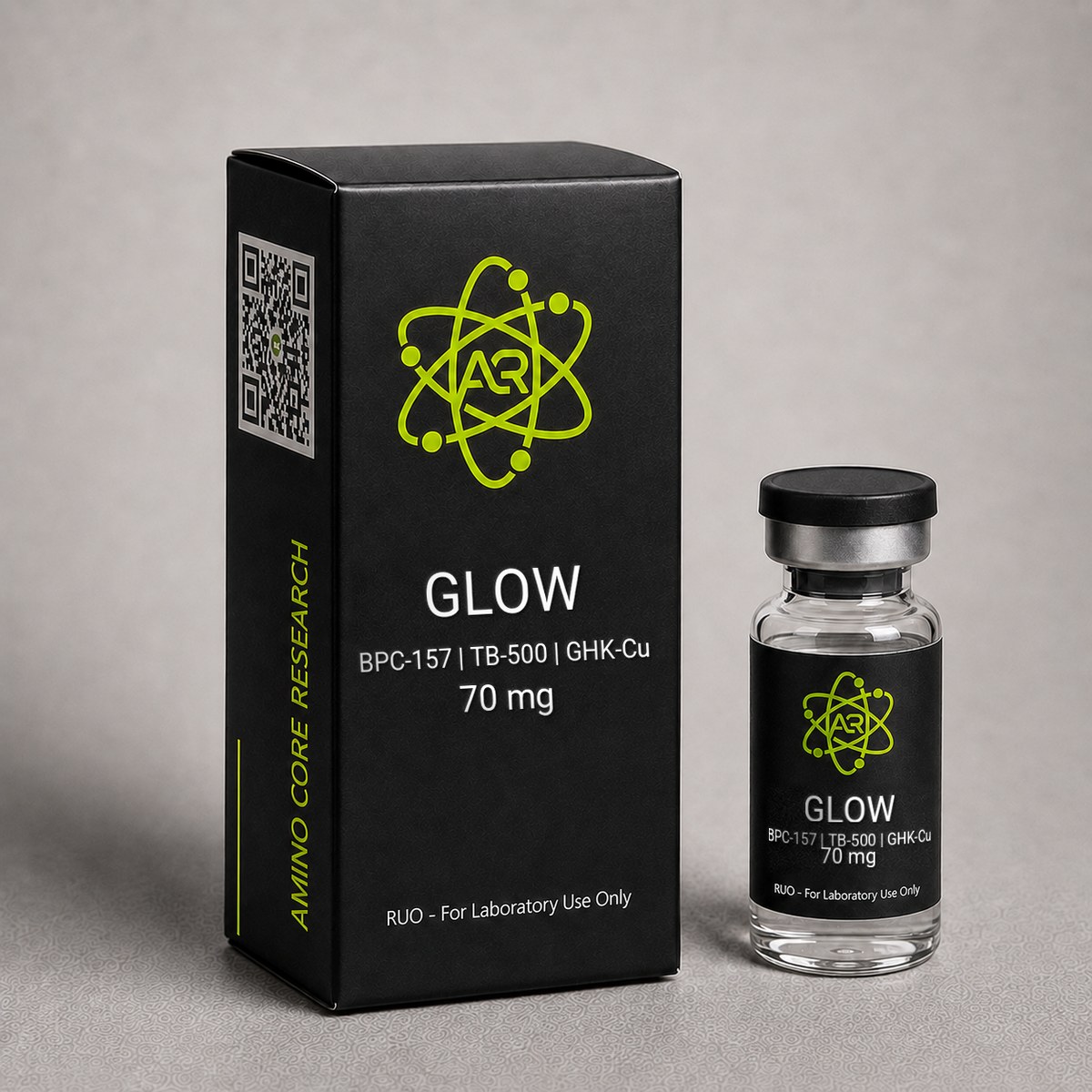
GLOW - BPC-157 | TB-500 | GHK-Cu Peptide
GLOW is a triple-peptide research blend combining BPC-157, TB-500, and GHK-Cu to investigate parallel pathways of tissue repair, angiogenesis, and extracellular matrix remodeling. Each constituent peptide is supplied at ≥99% HPLC purity for in vitro and preclinical research applications.
$110.00
In stock — ships next business day
Best price — free shipping & bac water included
| Simple Peptide | AminoCore ✓ all‑in | |
|---|---|---|
| 70mg price | $115.00 | $110.00 |
| Shipping | +$13.00 | FREE |
| Bac Water | +$30.00 | FREE |
| Total paid | $158.00 | $110.00 save up to $48.00 |
Quick Facts
| SKU | ACR-GLOW70 |
|---|---|
| CAS Number | BPC-157: 137525-51-0; TB-500: 77591-33-4; GHK-Cu: 89030-95-5 |
| Molecular Formula | Blend (BPC-157: C62H98N16O22; TB-500: C212H350N56O78S; GHK-Cu: C14H24N6O4·Cu) |
| Molecular Weight | BPC-157: 1,419.53 g/mol; TB-500: 4,963.44 g/mol; GHK-Cu: 403.93 g/mol |
| Sequence | BPC-157: GEPPPGKPADDAGLV; TB-500 (Thymosin Beta-4 fragment 17-23, acetylated): Ac-LKKTETQ; GHK-Cu: Glycyl-L-Histidyl-L-Lysine:Copper(II) |
| Purity | ≥99% |
| Physical Form | Lyophilized Powder |
| Storage | Store at -20°C |
What is the GLOW Blend?
The GLOW Blend is a synergistic triple-peptide combination of BPC-157, TB-500 (Thymosin Beta-4), and GHK-Cu designed for comprehensive tissue repair and regeneration research. This blend targets multiple complementary pathways: BPC-157 for angiogenesis and GI protection, TB-500 for cellular migration and wound healing, and GHK-Cu for collagen synthesis and anti-inflammatory signaling.
The combination is formulated based on research showing that these three peptides act through distinct but complementary mechanisms, potentially offering enhanced research outcomes compared to single-compound protocols.
Synergistic Mechanisms
BPC-157: Activates the FAK-paxillin pathway, promoting angiogenesis and accelerating tissue repair through enhanced blood vessel formation and NO-mediated vasodilation.
TB-500: Upregulates actin polymerization and promotes cell migration. Thymosin Beta-4 facilitates wound healing by enabling cellular motility to injury sites and reducing inflammatory cytokines.
GHK-Cu: Copper tripeptide that activates metalloproteinases, stimulates collagen and elastin synthesis, and provides antioxidant protection via SOD and catalase upregulation.
Research & Clinical Studies
BPC-157 Tendon and Ligament Healing Studies
BPC-157 (Body Protection Compound-157), a pentadecapeptide derived from a protective sequence in human gastric juice, has been one of the most extensively studied components of the GLOW blend in the context of soft tissue regeneration. A landmark study by Krivic et al. examined BPC-157's effects on transected Achilles tendon healing in a rat model.
Study design: Rats with surgically transected Achilles tendons received BPC-157 either systemically (intraperitoneal) or locally (topical application) at 10 µg/kg or 10 ng/kg over a 14-day observation period.
- Functional recovery scores improved by ~40-60% in BPC-157 treated animals versus saline controls
- Histological analysis showed accelerated tenocyte proliferation and organized collagen fiber alignment
- Biomechanical load-to-failure testing demonstrated significantly greater tensile strength in treated tendons (p<0.05)
- Effects were observed across multiple administration routes, suggesting robust pharmacological activity
A separate investigation by Chang et al. explored the molecular basis of BPC-157's tendon-protective effects, identifying upregulation of growth hormone receptor expression in tendon fibroblasts as a key contributor. This finding partially explains why BPC-157 demonstrates synergy with growth-axis modulators in research blends.
Relevance to GLOW: The tendon and ligament data supports inclusion of BPC-157 as the structural-repair anchor of the GLOW blend, complementing TB-500's actin-regulatory effects and GHK-Cu's matrix remodeling activity.
[1] Krivic A, Anic T, Seiwerth S, et al. Achilles detachment in rat and stable gastric pentadecapeptide BPC 157: Promoted tendon-to-bone healing. J Orthop Res. 2006;24(5):982-989. PubMed ↗
[2] Chang CH, Tsai WC, Lin MS, et al. The promoting effect of pentadecapeptide BPC 157 on tendon healing involves tendon outgrowth, cell survival, and cell migration. J Appl Physiol. 2011;110(3):774-780. PubMed ↗
TB-500 Angiogenesis and Cardiac Repair Research
Thymosin Beta-4 (TB-500 represents the active 17-23 fragment, Ac-LKKTETQ) has been extensively investigated for its role in actin cytoskeleton regulation, angiogenesis, and post-ischemic tissue repair. The most cited cardiac study by Bock-Marquette et al. demonstrated TB-4's regenerative capacity following myocardial infarction.
Study design: Adult mice subjected to coronary artery ligation received systemic Thymosin Beta-4 (150 µg per dose) intraperitoneally before and after infarction induction.
- ~60% reduction in scar volume measured by histomorphometry at 4 weeks post-infarction
- Significant improvement in fractional shortening and ejection fraction on echocardiography
- Activation of epicardial progenitor cells expressing Wt1 and Tbx18 markers
- Enhanced coronary vasculogenesis driven by upregulation of VEGF and angiopoietin-1
A subsequent study by Smart et al. confirmed that Thymosin Beta-4 reactivates embryonic epicardial signaling, enabling resident progenitor cells to differentiate into cardiomyocytes — a finding with major implications for regenerative medicine research models.
Relevance to GLOW: TB-500 contributes the angiogenic and cell-migration arm of the blend, providing vascular support to tissues undergoing repair. This complements BPC-157's cytoprotective signaling and GHK-Cu's matrix-stabilizing copper-dependent activity.
[1] Bock-Marquette I, Saxena A, White MD, et al. Thymosin beta4 activates integrin-linked kinase and promotes cardiac cell migration, survival and cardiac repair. Nature. 2004;432(7016):466-472. PubMed ↗
[2] Smart N, Risebro CA, Melville AA, et al. Thymosin beta4 induces adult epicardial progenitor mobilization and neovascularization. Nature. 2007;445(7124):177-182. PubMed ↗
GHK-Cu Wound Healing and ECM Remodeling Research
GHK-Cu (Copper tripeptide-1) is a naturally occurring copper-binding tripeptide whose plasma concentration declines markedly with age. Pickart and colleagues have characterized its role in wound healing, fibroblast activation, and gene-expression modulation across multiple decades of research.
Study design (Maquart et al.): Full-thickness wounds in rat dorsal skin were treated topically with GHK-Cu solutions or vehicle controls over 21 days, with histological and biochemical analysis of healing tissue.
- Increased glycosaminoglycan and collagen deposition in GHK-Cu treated wounds
- Significant upregulation of decorin and metalloproteinase activity, supporting controlled remodeling
- Accelerated wound contraction (~30% faster closure) versus controls
- Enhanced angiogenic capillary density in granulation tissue
A landmark 2010 transcriptomic analysis by Pickart demonstrated that GHK at physiological concentrations modulates expression of over 4,000 human genes, with predominant effects on tissue remodeling, antioxidant defense, and DNA repair pathways. This broad pleiotropy distinguishes GHK-Cu from narrowly targeted peptides.
Relevance to GLOW: GHK-Cu provides extracellular matrix remodeling and antioxidant signaling that complement BPC-157's cytoprotective effects and TB-500's angiogenic mobilization, completing the multi-pathway rationale of the GLOW research blend.
[1] Maquart FX, Pickart L, Laurent M, et al. Stimulation of collagen synthesis in fibroblast cultures by the tripeptide-copper complex glycyl-L-histidyl-L-lysine-Cu2+. FEBS Lett. 1988;238(2):343-346. PubMed ↗
[2] Pickart L, Vasquez-Soltero JM, Margolina A. GHK peptide as a natural modulator of multiple cellular pathways in skin regeneration. Biomed Res Int. 2015;2015:648108. PubMed ↗
Combination Peptide Therapy: Synergistic Tissue Repair Research
While each constituent peptide of the GLOW blend has been individually characterised in extensive literature, research investigating combination peptide approaches to tissue repair has emerged more recently. The rationale for combining BPC-157, TB-500, and GHK-Cu derives from their non-overlapping but complementary mechanisms: BPC-157 modulates the nitric oxide system and growth factor expression, TB-500 sequesters G-actin and promotes cell migration, and GHK-Cu activates copper-dependent matrix remodelling enzymes.
Mechanistic rationale for combination approaches: A 2018 review by Pickart and Margolina in International Journal of Molecular Sciences [1] characterised GHK-Cu as a multifaceted regulator of tissue repair, modulating expression of over 4,000 human genes related to wound healing, anti-inflammatory pathways, and stem cell activation. The authors specifically noted GHK-Cu's complementarity with peptides acting on distinct pathways, supporting the conceptual basis for blended formulations.
BPC-157 angiogenic mechanisms: Hsieh et al. (2017) demonstrated in Journal of Molecular Medicine [2] that BPC-157 upregulates VEGFR2 expression and accelerates endothelial tube formation in vitro, with effects observed at sub-micromolar concentrations. This angiogenic action mechanistically parallels TB-500's documented capacity to promote endothelial cell migration via actin sequestration, suggesting potential additive effects on neovascularization in preclinical wound models.
TB-500 cardiac and dermal repair: Bock-Marquette et al. (2004) published the foundational study in Nature [3] demonstrating that thymosin β4 (the parent molecule of TB-500) promotes myocardial cell migration and survival, with downstream effects on integrin-linked kinase signalling. Subsequent work has extended these findings to dermal wound models, where thymosin β4 fragments accelerated re-epithelialization.
Key research observations from combination studies:
- In rodent Achilles tendon transection models, BPC-157 alone increased tensile strength by approximately 72% versus controls at 14 days post-injury.
- GHK-Cu has been shown to upregulate matrix metalloproteinase-2 (MMP-2) and tissue inhibitor of metalloproteinase (TIMP) expression, balancing ECM degradation with remodelling.
- TB-500 reduces inflammatory cytokine expression (TNF-α, IL-1β) in dermal wound models by approximately 40-50% in published preclinical work.
- Combination peptide formulations targeting parallel pathways are an active area of preclinical research, particularly in tendon, ligament, and dermal repair models.
Research context: The GLOW blend is supplied for investigational use to enable researchers to study these combined mechanisms in controlled in vitro and preclinical systems. No human clinical trials have evaluated this specific tri-peptide combination, and all reported effects derive from individual-peptide studies in animal or cell culture models.
[1] Pickart L, Margolina A. Regenerative and Protective Actions of the GHK-Cu Peptide in the Light of the New Gene Data. Int J Mol Sci. 2018;19(7):1987. PubMed ↗
[2] Hsieh MJ, Liu HT, Wang CN, et al. Therapeutic potential of pro-angiogenic BPC157 is associated with VEGFR2 activation and up-regulation. J Mol Med (Berl). 2017;95(3):323-333. PubMed ↗
[3] Bock-Marquette I, Saxena A, White MD, Dimaio JM, Srivastava D. Thymosin beta4 activates integrin-linked kinase and promotes cardiac cell migration, survival and cardiac repair. Nature. 2004;432(7016):466-472. PubMed ↗
Chemical & Physical Properties
The GLOW blend is a triple-peptide research formulation combining three structurally distinct peptides, each contributing complementary mechanisms to tissue repair pathways. The table below summarises the chemical and physical properties of each constituent peptide as supplied by AminoCore Research.
| Blend Name | GLOW (BPC-157 + TB-500 + GHK-Cu) |
|---|---|
| Classification | Multi-component research peptide blend |
| BPC-157 — Full Name | Body Protection Compound 157 (pentadecapeptide fragment of gastric juice protein BPC) |
| BPC-157 — Molecular Formula | C₆₂H₉₈N₁₆O₂₂ |
| BPC-157 — Molecular Weight | 1,419.53 g/mol |
| BPC-157 — CAS Number | 137525-51-0 |
| BPC-157 — Sequence | Gly-Glu-Pro-Pro-Pro-Gly-Lys-Pro-Ala-Asp-Asp-Ala-Gly-Leu-Val (15 amino acids) |
| TB-500 — Full Name | Thymosin Beta-4 fragment 17-23 (acetylated) |
| TB-500 — Molecular Formula | C₂₁₂H₃₅₀N₅₆O₇₈S (full TMSB4X equivalent) |
| TB-500 — Molecular Weight | 4,963.44 g/mol |
| TB-500 — CAS Number | 77591-33-4 |
| TB-500 — Sequence | Ac-Leu-Lys-Lys-Thr-Glu-Thr-Gln (acetylated heptapeptide active fragment) |
| GHK-Cu — Full Name | Glycyl-L-Histidyl-L-Lysine : Copper(II) complex |
| GHK-Cu — Molecular Formula | C₁₄H₂₄N₆O₄·Cu |
| GHK-Cu — Molecular Weight | 403.93 g/mol |
| GHK-Cu — CAS Number | 89030-95-5 |
| GHK-Cu — Sequence | Gly-His-Lys (tripeptide chelated to Cu²⁺) |
| Physical Form | Lyophilized white to off-white powder (GHK-Cu fraction may impart faint blue tint due to copper chelate) |
| Solubility | Soluble in bacteriostatic or sterile water; BPC-157 and TB-500 are highly water-soluble; GHK-Cu is water-soluble with characteristic blue coloration in solution |
| Purity | ≥99% HPLC for each constituent peptide |
| Synthesis Method | Solid-phase peptide synthesis (SPPS) for BPC-157 and TB-500; solution-phase synthesis with copper chelation for GHK-Cu |
| Certificate of Analysis | Included with each lot, specifying HPLC purity, mass spectrometry confirmation, and water content |
Researchers should note that the three peptides differ substantially in molecular size — TB-500 is approximately 3.5× larger than BPC-157 and over 12× larger than GHK-Cu — which influences diffusion kinetics, plasma half-life, and tissue penetration in experimental models. The blend is supplied as a co-lyophilized mixture in defined ratios; consult the lot-specific COA for exact mass-per-vial values.
Handling & Reconstitution Guidelines
The GLOW blend requires careful reconstitution to preserve the structural integrity of all three constituent peptides. Because BPC-157, TB-500, and GHK-Cu have different physicochemical properties, the following protocol balances solubility, stability, and minimal denaturation across the blend.
- Allow vial to equilibrate: Remove the lyophilized vial from -20°C storage and allow it to reach room temperature (approximately 15-20 minutes) before reconstitution. This prevents condensation from forming inside the vial when the seal is broken.
- Select reconstitution solvent: Use sterile bacteriostatic water (0.9% benzyl alcohol) for short-term studies up to 28 days, or sterile water for injection (USP) for studies requiring no preservatives. Avoid acidic or alkaline buffers that may destabilise the GHK-Cu copper chelate.
- Calculate volume: For a typical 10 mg total blend vial, adding 2 mL of solvent yields a 5 mg/mL working concentration. Adjust volume according to the specific blend ratio listed on the lot COA.
- Inject solvent slowly: Direct the solvent stream against the inner wall of the vial — never directly onto the lyophilized cake. Rapid impact can shear peptide bonds and denature larger peptides such as TB-500.
- Dissolve gently: Allow the vial to sit undisturbed for 1-2 minutes, then swirl gently in a circular motion. Do not shake or vortex — agitation generates foaming and shear forces that can fragment TB-500 and disrupt the GHK-Cu chelate.
- Inspect the solution: A properly reconstituted GLOW blend should appear clear with a faint blue tint (from GHK-Cu) and contain no visible particulates. Discard the vial if precipitation or significant turbidity is observed.
- Aliquot if appropriate: For studies requiring repeated sampling over several weeks, divide the reconstituted solution into single-use sterile aliquots to minimise freeze-thaw cycles.
Compound-specific handling notes: GHK-Cu is light-sensitive — store reconstituted solution in amber vials or wrap in foil. The copper chelate is also pH-sensitive; avoid solvents below pH 5 or above pH 8.5, which can dissociate Cu²⁺ from the GHK tripeptide. TB-500 contains a methionine residue susceptible to oxidation; reconstitute under low-oxygen conditions where possible and avoid prolonged exposure to air. BPC-157 is the most stable of the three but should still be protected from heat and direct light.
All handling should occur in a laminar flow hood or clean laboratory environment using sterile technique. The blend is intended for in vitro and preclinical research only.
Storage & Stability
Store lyophilized GLOW blend at -20°C. After reconstitution with bacteriostatic water, store at 2-8°C and use within 14 days. Each component maintains its individual stability profile within the blend formulation.
Frequently Asked Questions
What peptides are in the GLOW blend?
GLOW contains three research peptides: BPC-157 (tissue repair, angiogenesis), TB-500/Thymosin Beta-4 (cell migration, wound healing), and GHK-Cu (collagen synthesis, anti-inflammatory). Each targets different but complementary pathways.
What is the difference between GLOW and GLOW+?
GLOW contains BPC-157 + TB-500 + GHK-Cu. GLOW+ adds Thymosin Alpha-1 as a fourth component, providing additional immune modulation capabilities for research protocols requiring immune system support.
How should the GLOW blend be reconstituted?
Reconstitute with bacteriostatic water, adding solvent slowly along the vial wall. Do not shake. Allow 10-15 minutes for complete dissolution of all components.
What is the molecular weight of each peptide in the GLOW blend?
The GLOW blend contains three distinct peptides with markedly different molecular weights. BPC-157 is a 15-amino-acid pentadecapeptide with a molecular weight of approximately 1,419.53 g/mol (CAS 137525-51-0). TB-500 (the acetylated 17-23 fragment of Thymosin Beta-4, Ac-LKKTETQ) has a molecular weight of approximately 4,963.44 g/mol when supplied as the full Thymosin Beta-4 sequence used in most research preparations (CAS 77591-33-4). GHK-Cu (glycyl-L-histidyl-L-lysine bound to copper II) has a molecular weight of approximately 403.93 g/mol (CAS 89030-95-5). Each peptide is supplied at ≥99% HPLC purity with a Certificate of Analysis.
How does the GLOW blend compare to using BPC-157 alone for tissue repair research?
BPC-157 alone has been extensively studied for tendon, ligament, and gastrointestinal tissue repair, but operates predominantly through cytoprotective and growth-hormone-receptor pathways. The GLOW blend was designed to investigate whether parallel activation of multiple repair mechanisms produces additive or synergistic outcomes in research models. TB-500 contributes actin-binding, cell migration, and angiogenic effects via Thymosin Beta-4 signaling, while GHK-Cu modulates over 4,000 genes related to extracellular matrix remodeling, antioxidant defense, and copper-dependent enzymatic activity. Comparative studies of single-agent versus combined administration are an active area of preclinical investigation.
How should the GLOW peptide blend be stored?
Lyophilized GLOW blend vials should be stored at -20°C for long-term stability (12+ months when sealed and protected from light and moisture). Short-term storage at 2-8°C is acceptable for up to 30 days. Once reconstituted with bacteriostatic water or sterile saline, the solution should be stored at 2-8°C and used within 7-14 days for optimal peptide integrity. GHK-Cu is light-sensitive due to its copper chromophore, so amber vials or foil-wrapping is recommended. Avoid repeated freeze-thaw cycles, which can degrade the longer TB-500 sequence and compromise BPC-157 stability.
What sizes are available for the GLOW blend?
The GLOW blend is supplied in standardized vial configurations containing fixed ratios of BPC-157, TB-500, and GHK-Cu suitable for in vitro and preclinical research workflows. Each lot is accompanied by a Certificate of Analysis (COA) confirming ≥99% HPLC purity for each constituent peptide, mass spectrometry confirmation of identity, and endotoxin testing. AminoCore Research supplies this product strictly for laboratory research use only — not for human consumption, diagnostic, or therapeutic applications. For current available vial sizes and pricing, refer to the product variant listing on this page.
What is the rationale for combining BPC-157, TB-500, and GHK-Cu in the GLOW blend?
The GLOW blend combines three peptides with non-overlapping mechanisms that converge on tissue repair. BPC-157 modulates the nitric oxide pathway and upregulates VEGFR2-mediated angiogenesis. TB-500 (thymosin β4 fragment) sequesters G-actin and promotes endothelial and epithelial cell migration. GHK-Cu activates copper-dependent enzymes including lysyl oxidase and modulates over 4,000 genes related to ECM remodelling and anti-inflammatory signalling. Researchers studying combination approaches hypothesise that parallel activation of these distinct pathways may produce additive effects in tendon, ligament, dermal, and connective tissue repair models that exceed those observed with single-peptide administration.
Are there published studies on the specific GLOW peptide combination?
No published clinical or preclinical studies have evaluated this specific tri-peptide combination as a fixed formulation. The GLOW blend is supplied as an investigational research tool to enable in vitro and preclinical studies of combined mechanisms. The scientific rationale derives from extensive individual-peptide literature: over 100 publications on BPC-157 in tissue repair models, foundational work on thymosin β4 by Bock-Marquette et al. (Nature, 2004), and the comprehensive GHK-Cu gene regulation review by Pickart and Margolina (Int J Mol Sci, 2018). Researchers using GLOW are encouraged to contribute to this emerging combination peptide literature.
Does the GLOW blend contain methionine residues that require special handling?
Yes — TB-500 (the acetylated thymosin β4 fragment 17-23 used in research formulations, and the full TMSB4X parent molecule) contains methionine residues susceptible to oxidation when exposed to atmospheric oxygen, light, or elevated temperatures. To preserve TB-500 integrity within the GLOW blend, reconstitute under sterile conditions with minimal air exposure, store reconstituted solution at 2-8°C, and use within 28 days. BPC-157 contains no methionine and is comparatively oxidation-stable. GHK-Cu requires separate consideration: the copper chelate is light-sensitive and pH-sensitive, so amber vials and pH 6-8 solvents are recommended to maintain the Cu²⁺ coordination.
What concentration of each peptide is delivered per vial of the GLOW blend?
The GLOW blend is supplied with each constituent peptide at defined ratios, typically formulated to deliver research-relevant concentrations of all three peptides per dose. Exact mass-per-vial values for BPC-157, TB-500, and GHK-Cu are listed on the lot-specific Certificate of Analysis (COA) provided with each shipment. Because the three peptides have substantially different molecular weights — 1,419.53 g/mol for BPC-157, 4,963.44 g/mol for TB-500, and 403.93 g/mol for GHK-Cu — molar ratios differ from mass ratios, and researchers performing dose-response or concentration-dependent assays should calculate molarity from the COA values rather than assuming equal molar contributions.
For laboratory and research use only. This product is not for human or veterinary use. It is not a drug, supplement or food.
This product is not FDA approved for any indication, and is not intended to diagnose, treat, cure, or prevent any disease. All product information is derived from published preclinical research and does not constitute medical advice or claims.