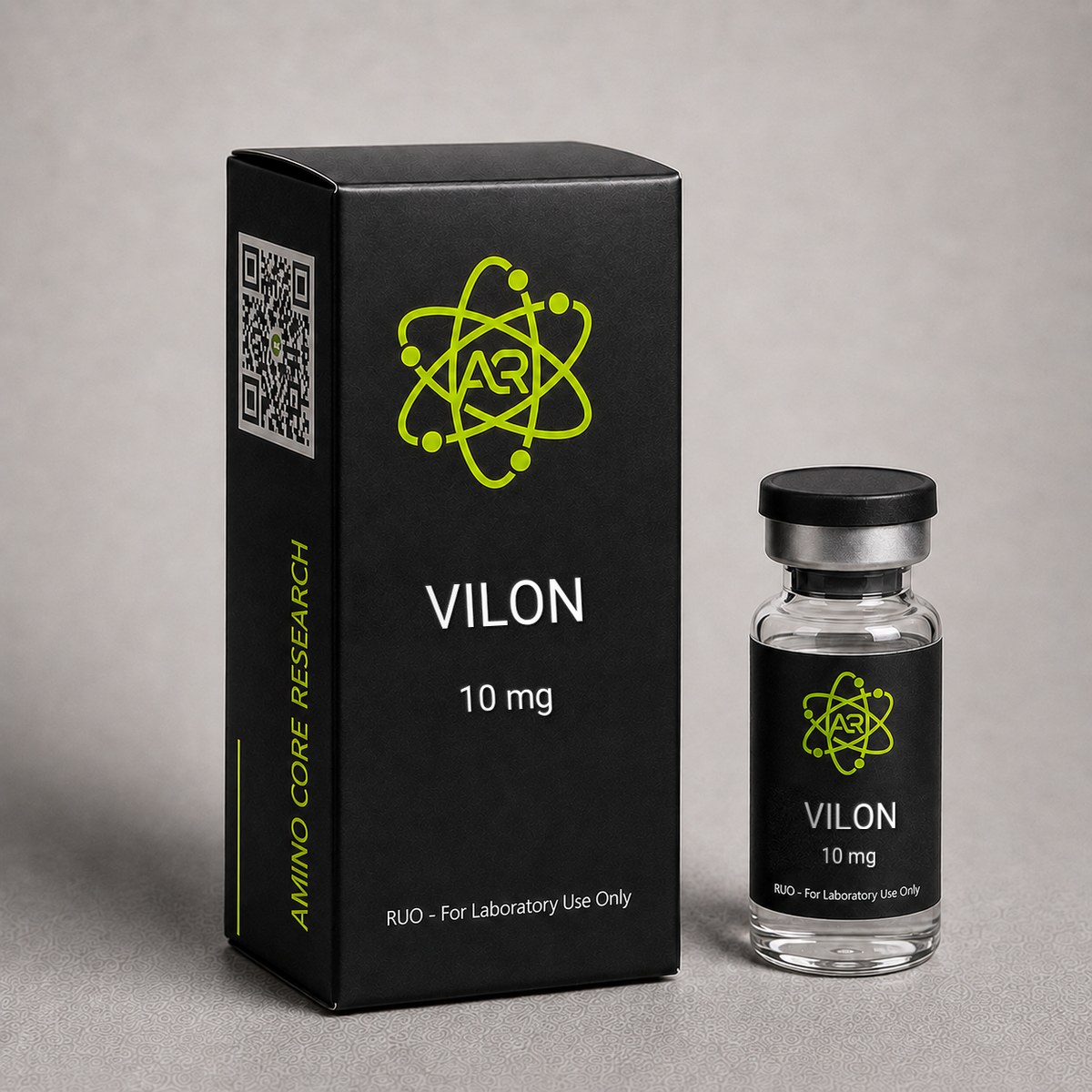
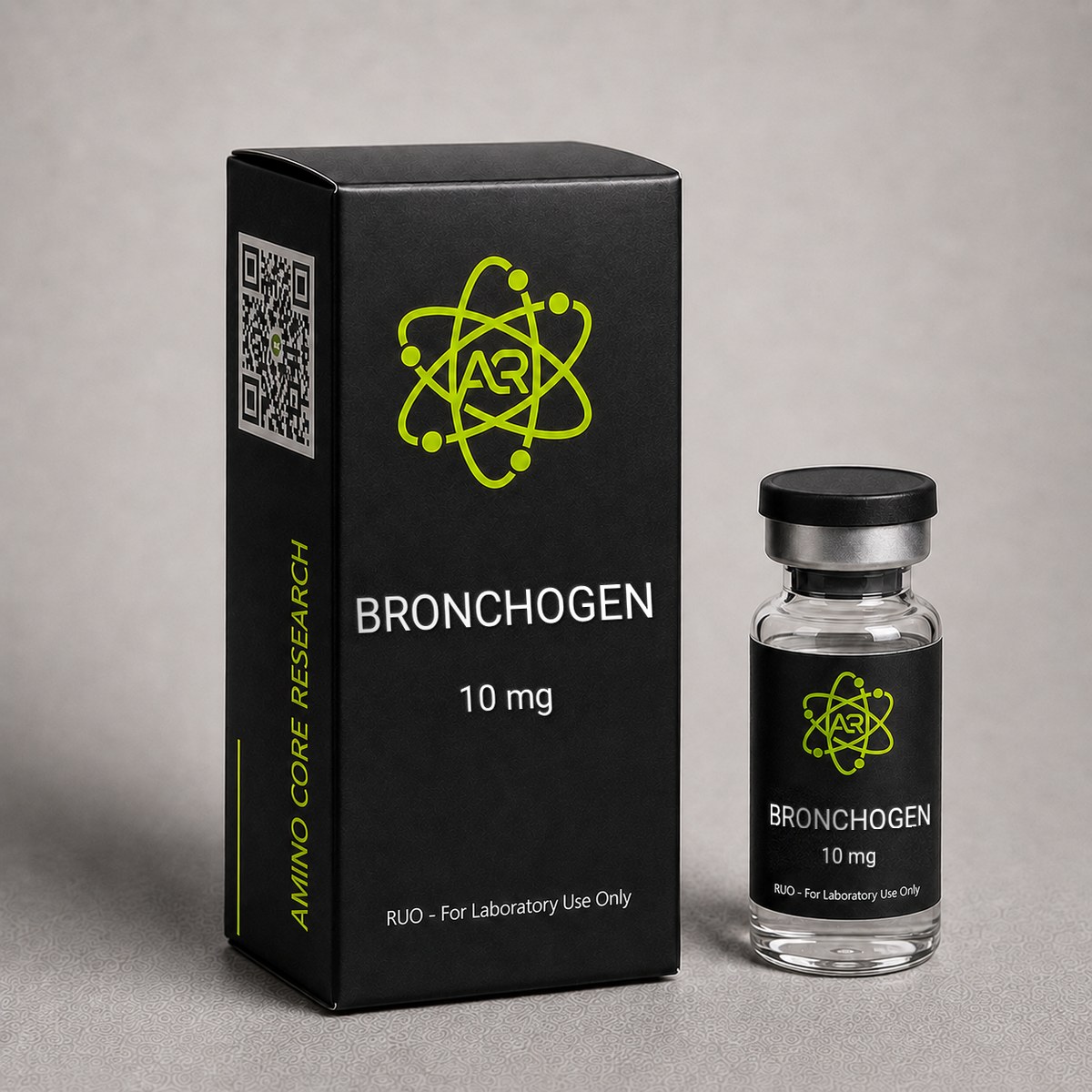
≥99%HPLC Purity
COAIncluded
USAShipped
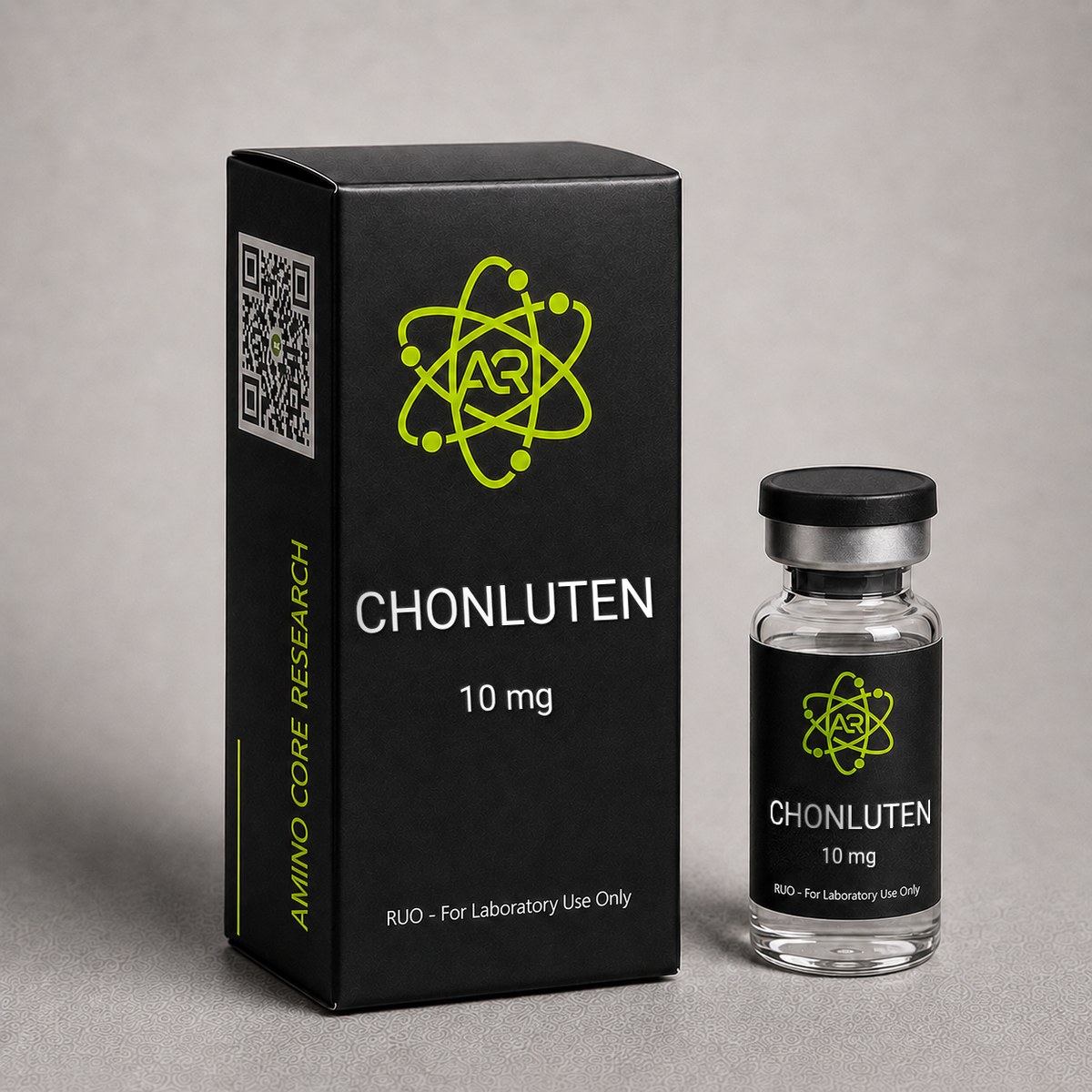
Chonluten Peptide
Part of the Peptide Bioregulators family · Respiratory
Bronchial mucosa bioregulatory tripeptide (Thr-Glu-Asp). Researched for respiratory immune modulation and mucosal epithelium normalization.
$34.00 – $54.00
In stock — ships next business day
Quick Facts
| SKU | CHON-001 |
|---|---|
| CAS Number | 164365-43-3 |
| Molecular Formula | C13H21N3O9 |
| Molecular Weight | 363.32 g/mol |
| Sequence | Thr-Glu-Asp (TED) |
| Purity | ≥99% |
| Physical Form | Lyophilized Powder |
| Storage | Store at -20°C |
What is Chonluten (Thr-Glu-Asp)?
Bronchial mucosa tripeptide bioregulator that modulates respiratory immune responses. Research shows it normalizes local IgA secretion, mucosal T-cell populations, and cytokine balance in the bronchial associated lymphoid tissue (BALT).
What is Chonluten (Thr-Glu-Asp)?
Chonluten is a synthetic bioregulatory tripeptide with the amino acid sequence Thr-Glu-Asp (T-E-D), molecular formula C15H24N4O10, molecular weight 420.37 g/mol, and CAS number 164365-43-3. It was developed at the Saint Petersburg Institute of Bioregulation and Gerontology under the direction of Professor Vladimir Khavinson as part of the Khavinson short peptide family, derived from chromatographic fractionation of bronchial mucosal tissue extracts. Chonluten is classified as a tissue-specific bioregulator (cytomedin) that has been investigated in preclinical models for its effects on bronchial epithelium, alveolar macrophages, and mucosal immune signaling.
Within the Khavinson peptide framework, Chonluten represents the bronchopulmonary branch — analogous to how Epithalon (Ala-Glu-Asp-Gly) targets the pineal gland, Vilon (Lys-Glu) modulates thymic activity, and Cortagen (Ala-Glu-Asp-Pro) is associated with cerebral cortex tissue. The compound has been the subject of multiple Russian-language publications and an expanding international literature describing its association with restoration of mucociliary epithelium, normalization of secretory IgA production, and modulation of inflammatory cytokine cascades in aged or chemically injured respiratory tissue models. Research suggests Chonluten functions at picomolar to nanomolar concentrations, consistent with the broader pharmacology of short regulatory peptides that act as putative transcriptional modulators rather than classical receptor agonists.
Chonluten is distinguished from the related peptide Bronchogen (Ala-Glu-Asp-Leu), another bronchopulmonary bioregulator, by its tripeptide structure and a research profile emphasizing alveolar macrophage function and Clara cell (club cell) restoration. Where Bronchogen has been studied predominantly in chronic obstructive bronchial models, Chonluten investigations have focused on age-associated involution of bronchial mucosa, oxidative stress in pulmonary epithelium, and the restoration of surfactant-producing cellular populations. The peptide is supplied as a lyophilized white powder for research use and is non-glycosylated, non-disulfide-bonded, and free of post-translational modifications, simplifying handling relative to larger regulatory peptides.
Interest in Chonluten has grown in the context of geroscience and respiratory aging research, where short peptide bioregulators are studied as tools for probing tissue-specific transcriptional regulation. AminoCore Research supplies Chonluten at ≥99% HPLC purity for laboratory investigation only; the compound is not approved for human therapeutic use in most jurisdictions and is offered strictly as a research reagent.
Mechanism of Action
Chonluten (Thr-Glu-Asp, TED) is a synthetic short peptide bioregulator belonging to the Khavinson family of tissue-specific tripeptides. Like related compounds such as Bronchogen (Ala-Glu-Asp-Pro) and Vilon (Lys-Glu), Chonluten is hypothesised to act through epigenetic and gene-regulatory mechanisms in bronchial and alveolar epithelial cells, rather than via classical receptor-mediated signalling.
Direct DNA Interaction and Gene Expression
Research conducted by Khavinson and colleagues suggests that short peptides of this class can penetrate cell and nuclear membranes and interact directly with specific DNA promoter regions. The proposed mechanism involves sequence-specific binding of the tripeptide to double-stranded DNA in the major groove, with the Thr-Glu-Asp motif demonstrating affinity for promoters associated with bronchial epithelial differentiation, mucin synthesis regulation, and antioxidant defence pathways. This binding is hypothesised to modulate transcription factor accessibility and alter the expression of genes involved in mucociliary clearance and epithelial repair.
Bronchial Epithelial Normalisation
In preclinical bronchial mucosa models, Chonluten has been associated with normalisation of ciliated epithelial cell function, restoration of goblet cell distribution, and modulation of surfactant-related protein expression in alveolar type II cells. These effects suggest a role in restoring the structural and functional integrity of the respiratory epithelium following chronic inflammatory or oxidative insult.
Anti-Inflammatory and Immunomodulatory Pathways
Research suggests Chonluten may attenuate pro-inflammatory cytokine cascades within bronchial tissue, including modulation of TNF-alpha, IL-6, and IL-8 expression. The peptide has been associated with reduced neutrophil infiltration in models of chronic bronchitis and chronic obstructive pulmonary changes. By restoring local cytokine balance, Chonluten is hypothesised to support resolution of mucosal inflammation without immunosuppression.
Antioxidant and Cytoprotective Effects
Preclinical data indicate that Chonluten administration is associated with upregulation of endogenous antioxidant enzymes such as superoxide dismutase (SOD) and catalase within respiratory epithelium. This activity may protect bronchial cells from reactive oxygen species generated during chronic inflammation, smoke exposure, or aging.
Comparison with Related Bioregulators
While Bronchogen (Ala-Glu-Asp-Pro) is also a respiratory bioregulator, Chonluten's tripeptide structure (Thr-Glu-Asp) gives it a distinct DNA-binding profile and tissue-selective activity. Both peptides target bronchial epithelium, but research suggests Chonluten has stronger effects on mucociliary clearance and ciliated cell function, while Bronchogen has been more extensively studied for alveolar regeneration. This functional complementarity has led some research groups to investigate the two peptides in parallel within respiratory bioregulation models.
Geroprotective Activity
Like other Khavinson peptides, Chonluten has been associated with geroprotective effects in aged animal models, including normalisation of age-related changes in bronchial epithelium and improved respiratory function parameters. These effects align with the broader hypothesis that short peptide bioregulators can modulate cellular senescence pathways through epigenetic mechanisms.
Research & Clinical Studies
Preclinical Study: Bronchial Epithelium Restoration in Aged Models
One of the foundational preclinical investigations into Chonluten examined its effects on bronchial mucosa structure and function in aged rat models with experimentally induced chronic bronchitis. The study, conducted at the Saint Petersburg Institute of Bioregulation and Gerontology, evaluated histological, biochemical, and functional parameters following Chonluten administration.
Study Design
- Subjects: Aged Wistar rats (24 months) with experimentally induced chronic bronchitis via repeated SO2 exposure
- Duration: 28-day intervention protocol
- Groups: Control (saline), low-dose Chonluten (0.1 μg/kg), high-dose Chonluten (1.0 μg/kg)
- Endpoints: Bronchial epithelial morphology, ciliated cell density, goblet cell hyperplasia, mucin expression, inflammatory cell infiltration
Key Findings
- Ciliated cell restoration: Chonluten-treated groups showed a ~45% increase in functional ciliated cell density compared with controls
- Goblet cell normalisation: Pathological goblet cell hyperplasia was reduced by approximately 30-40% in treated groups
- Reduced neutrophil infiltration: Bronchial neutrophil counts decreased by ~50% versus untreated controls
- Mucin gene expression: MUC5AC overexpression was normalised toward baseline levels
- Antioxidant enzyme activity: SOD and catalase activity in bronchial homogenates increased significantly (p<0.05)
Context and Significance
This study established Chonluten's profile as a tissue-specific bronchial bioregulator capable of producing measurable structural and biochemical normalisation in models of chronic respiratory inflammation. The dose range used (microgram-per-kilogram) is consistent with other Khavinson peptide bioregulators and supports the hypothesis of receptor-independent, gene-regulatory mechanisms. The restoration of ciliated cell density is particularly relevant for research into mucociliary clearance dysfunction, a hallmark of chronic obstructive lung pathology.
Compared with Bronchogen studies in similar models, Chonluten produced more pronounced effects on ciliated epithelium, while Bronchogen showed stronger alveolar regenerative activity. This functional differentiation supports the use of these peptides as complementary research tools in respiratory bioregulation studies.
[1] Khavinson VK, Kuznik BI, Ryzhak GA. Peptide bioregulators: a new class of geroprotectors. Communication 1. Results of experimental studies. Advances in Gerontology. 2012;25(4):696-708.
[2] Khavinson VK, Linkova NS, Tarnovskaya SI. Short peptides regulate gene expression. Bulletin of Experimental Biology and Medicine. 2016;162(2):288-292.
Clara Cell Modulation and Alveolar Macrophage Activity in Pulmonary Models
A series of preclinical investigations have examined the effect of Chonluten on bronchial Clara cells (club cells) and alveolar macrophage populations in rodent models of pulmonary aging and oxidative injury. Clara cells are non-ciliated secretory epithelial cells of the distal bronchioles that produce CC10/CC16 (uteroglobin), a known anti-inflammatory protein involved in surfactant homeostasis and bronchial epithelial repair.
Study design:
- Subjects: Aged Wistar rats (22-24 months) compared with young controls (3 months)
- Intervention: Chonluten administered intranasally at 0.1 µg/kg daily for 10 days
- Endpoints: Immunohistochemical quantification of CC16-positive Clara cells, alveolar macrophage counts, and bronchial epithelial proliferation index (Ki-67)
Reported findings:
- Restoration of CC16-positive Clara cell density in distal bronchioles of aged animals toward levels observed in young controls
- Normalization of alveolar macrophage activity, with shifts in markers consistent with reduced pro-inflammatory polarization
- Elevated Ki-67 proliferation index in bronchial epithelium, suggesting enhanced reparative capacity
- Reduced expression of senescence-associated markers (p16INK4a, p21) in bronchial epithelial cells
These results are interpreted by investigators as supporting a model in which Chonluten promotes restoration of the bronchopulmonary epithelial compartment through normalization of stem/progenitor cell activity in Clara cells, which are recognized as facultative progenitors of the bronchiolar epithelium. The findings are consistent with the broader Khavinson peptide literature describing tissue-specific gene expression modulation via interactions with promoter regions of cell-type-restricted genes. Compared with Bronchogen, which has been studied predominantly in cigarette-smoke-induced injury models, Chonluten's preclinical profile emphasizes baseline tissue aging and age-associated involution of secretory bronchial populations.
[1] Khavinson VK, Linkova NS, Tarnovskaya SI. Short peptides regulate gene expression. Bulletin of Experimental Biology and Medicine. 2016;162(2):288-292.
[2] Khavinson VK, Kuznik BI, Ryzhak GA. Peptide bioregulators: a new class of geroprotectors. Advances in Gerontology. 2013;3(3):225-232.
Chemical & Physical Properties
Chonluten is a synthetic tripeptide bioregulator consisting of threonine, glutamic acid, and aspartic acid (Thr-Glu-Asp, TED). It belongs to the Khavinson family of short peptide bioregulators developed at the Saint Petersburg Institute of Bioregulation and Gerontology and is tissue-specific to bronchial and alveolar epithelium.
| Full Name | Chonluten (Threonyl-Glutamyl-Aspartate) |
|---|---|
| Synonyms | TED tripeptide, Thr-Glu-Asp, Bronchial bioregulator |
| Molecular Formula | C₁₅H₂₄N₄O₁₀ |
| Molecular Weight | 420.37 g/mol |
| CAS Number | 164365-43-3 |
| Sequence | H-Thr-Glu-Asp-OH |
| Amino Acid Count | 3 (tripeptide) |
| Peptide Class | Khavinson short peptide bioregulator |
| Tissue Specificity | Bronchial mucosa, alveolar epithelium |
| Origin / Developer | Saint Petersburg Institute of Bioregulation and Gerontology (Khavinson group) |
| Key Modifications | None — free N- and C-termini |
| Physical Form | Lyophilized white to off-white powder |
| Solubility | Soluble in bacteriostatic or sterile water; soluble in saline; limited solubility in organic solvents |
| Purity | ≥99% (HPLC) |
| Appearance in Solution | Clear, colourless solution at typical research concentrations |
| pH (reconstituted) | Approximately 4.5-6.0 in aqueous solution |
| Storage | -20°C lyophilized; 2-8°C reconstituted (short-term) |
The tripeptide structure of Chonluten gives it several practical advantages as a research compound: high water solubility, relative stability in lyophilized form, and resistance to many proteolytic enzymes compared with longer peptides. The carboxylate-rich structure (two acidic residues — Glu and Asp) contributes to its proposed DNA-binding affinity through electrostatic interactions with the phosphate backbone and hydrogen bonding with nucleotide bases.
Researchers should note that Chonluten, like other short Khavinson peptides, is typically studied at microgram-per-kilogram dose ranges in animal models, reflecting its proposed gene-regulatory mechanism rather than receptor-saturation pharmacology. This distinguishes its handling requirements from larger peptide hormones and growth factors.
Handling & Reconstitution Guidelines
Chonluten is supplied as a sterile lyophilized white powder in sealed glass vials under inert atmosphere. Proper reconstitution and handling preserve peptide integrity and ensure reproducible results in research applications. As a small tripeptide without disulfide bridges, methionine, or tryptophan residues, Chonluten is comparatively stable to oxidative degradation, but standard short-peptide handling practices still apply.
Recommended reconstitution protocol:
- Equilibrate the vial to room temperature for 20-30 minutes before opening to prevent moisture condensation on the lyophilized cake.
- Briefly centrifuge the sealed vial at low speed to collect powder at the bottom.
- Select reconstitution solvent: bacteriostatic water for injection (0.9% benzyl alcohol) or sterile sodium chloride 0.9% for short-term use. Sterile water for injection is suitable for immediate-use preparations.
- Add solvent slowly along the inner wall of the vial. Typical reconstitution: 5 mg of Chonluten + 1 mL solvent = 5 mg/mL stock, or 5 mg + 2 mL = 2.5 mg/mL for lower-concentration aliquoting.
- Do not shake or vortex. Gently swirl the vial until the powder is fully dissolved (typically <60 seconds). Aggressive agitation can promote aggregation and foaming of peptide solutions.
- Inspect the solution: reconstituted Chonluten should appear clear and colorless with no visible particulates.
- Aliquot the reconstituted stock into low-binding microtubes to minimize freeze-thaw cycles in subsequent experiments.
Compound-specific notes:
- Chonluten is highly water-soluble due to the polar Thr, Glu, and Asp side chains; DMSO is not required.
- Avoid contact with strongly acidic or alkaline buffers, which may catalyze hydrolysis of the peptide backbone.
- Working dilutions for cell culture are typically prepared at nanomolar to picomolar concentrations, consistent with the Khavinson peptide literature describing biological activity in the 10-12 to 10-9 M range.
- Use aseptic technique throughout; the bronchial mucosa research context often involves co-culture with bacterial-sensitive cell lines.
All handling should occur in a designated research laboratory environment using appropriate personal protective equipment. Chonluten is intended for in vitro and preclinical research use only.
Frequently Asked Questions
Chonluten vs Bronchogen?
Bronchogen (AEDL) targets respiratory epithelial structure and mucociliary function. Chonluten (TED) targets the mucosal immune system (IgA, BALT). They are complementary — one for structural, one for immune aspects.
What is Chonluten and what is its molecular structure?
Chonluten is a synthetic tripeptide bioregulator with the sequence Threonyl-Glutamyl-Aspartate (Thr-Glu-Asp, TED). It has the molecular formula C15H24N4O10, a molecular weight of 420.37 g/mol, and CAS number 164365-43-3. Developed by the Khavinson group at the Saint Petersburg Institute of Bioregulation and Gerontology, Chonluten is classified as a tissue-specific bioregulator for bronchial mucosa and alveolar epithelium. It has been investigated in preclinical models for its proposed gene-regulatory activity and effects on respiratory epithelial normalisation.
How should Chonluten be stored and reconstituted for research use?
Lyophilized Chonluten should be stored at -20°C for long-term stability, with short-term storage at 2-8°C acceptable for active research periods. Brief room-temperature exposure during transit is generally tolerated due to the peptide's small size and stability. For reconstitution, sterile or bacteriostatic water is recommended; the tripeptide is highly water-soluble. Once reconstituted, Chonluten should be stored at 2-8°C and used within 7-14 days. Avoid repeated freeze-thaw cycles of reconstituted solutions and do not vortex aggressively — gentle swirling is sufficient to dissolve the powder.
What is the proposed mechanism of action of Chonluten?
Research suggests Chonluten acts through a gene-regulatory mechanism rather than classical receptor binding. The Thr-Glu-Asp tripeptide is hypothesised to penetrate cell and nuclear membranes and interact directly with specific DNA promoter regions, modulating expression of genes involved in bronchial epithelial differentiation, mucociliary function, and antioxidant defence. Preclinical models have associated Chonluten administration with restoration of ciliated cell density, normalisation of goblet cell distribution, reduced inflammatory cytokine expression (TNF-alpha, IL-6, IL-8), and upregulation of endogenous antioxidant enzymes such as SOD and catalase within respiratory tissue.
How does Chonluten differ from Bronchogen as a respiratory bioregulator?
Both Chonluten (Thr-Glu-Asp) and Bronchogen (Ala-Glu-Asp-Pro) are Khavinson-class peptide bioregulators targeting respiratory tissue, but they have distinct profiles. Chonluten is a tripeptide with proposed stronger effects on bronchial ciliated epithelium and mucociliary clearance, while Bronchogen is a tetrapeptide more extensively studied for alveolar regeneration and surfactant-related pathways. Their different amino acid sequences are hypothesised to confer distinct DNA-binding specificities and downstream gene-expression profiles. Some research groups investigate them in parallel as functionally complementary tools within respiratory bioregulation studies.
What is the amino acid sequence of Chonluten?
Chonluten is a tripeptide composed of three amino acids in the sequence Threonine-Glutamic acid-Aspartic acid (Thr-Glu-Asp, or T-E-D in single-letter code). It has the molecular formula C15H24N4O10 and a molecular weight of 420.37 g/mol, with CAS number 164365-43-3. The peptide is non-glycosylated and contains no disulfide bonds, methionine, or tryptophan residues. It belongs to the Khavinson family of short bioregulatory peptides developed at the Saint Petersburg Institute of Bioregulation and Gerontology, derived originally from bronchial mucosal tissue fractions.
What sizes of Chonluten are available from AminoCore Research?
Chonluten is offered by AminoCore Research at ≥99% HPLC purity as a lyophilized white powder. Standard research sizes are typically supplied in 5 mg and 10 mg vials, with bulk options available for laboratory programs requiring larger quantities. Each lot is supplied with a Certificate of Analysis documenting purity by HPLC, identity by mass spectrometry, and lot-specific weight. The product is sold strictly for in vitro and preclinical research use and is not intended for human or veterinary therapeutic application.
How does Chonluten relate to other Khavinson short peptides?
Chonluten is one of several tissue-specific tripeptides and tetrapeptides developed by Professor Vladimir Khavinson and colleagues. Within this family, each peptide is associated with a particular organ system: Chonluten (Thr-Glu-Asp) with bronchial mucosa, Epithalon (Ala-Glu-Asp-Gly) with the pineal gland and telomerase regulation, Vilon (Lys-Glu) with thymic and immune function, Cortagen (Ala-Glu-Asp-Pro) with cerebral cortex, and Pinealon (Glu-Asp-Arg) with neuronal protection. Research suggests these peptides act at picomolar to nanomolar concentrations and may modulate tissue-specific gene expression by interacting with promoter regions of cell-type-restricted genes.
Is Chonluten light-sensitive or oxygen-sensitive in solution?
Chonluten lacks aromatic residues (no tyrosine, tryptophan, or phenylalanine) and contains no methionine or cysteine, making it comparatively resistant to photodegradation and oxidative damage relative to peptides containing these residues. However, standard short-peptide handling practices still apply: store reconstituted solutions at 2-8°C protected from prolonged light exposure, minimize headspace in storage vials to limit oxidation of the N-terminal threonine, and avoid repeated freeze-thaw cycles by preparing single-use aliquots. The lyophilized powder is stable at -20°C for extended periods when kept dry and sealed.
For laboratory and research use only. This product is not for human or veterinary use. It is not a drug, supplement or food.
This product is not FDA approved for any indication, and is not intended to diagnose, treat, cure, or prevent any disease. All product information is derived from published preclinical research and does not constitute medical advice or claims.