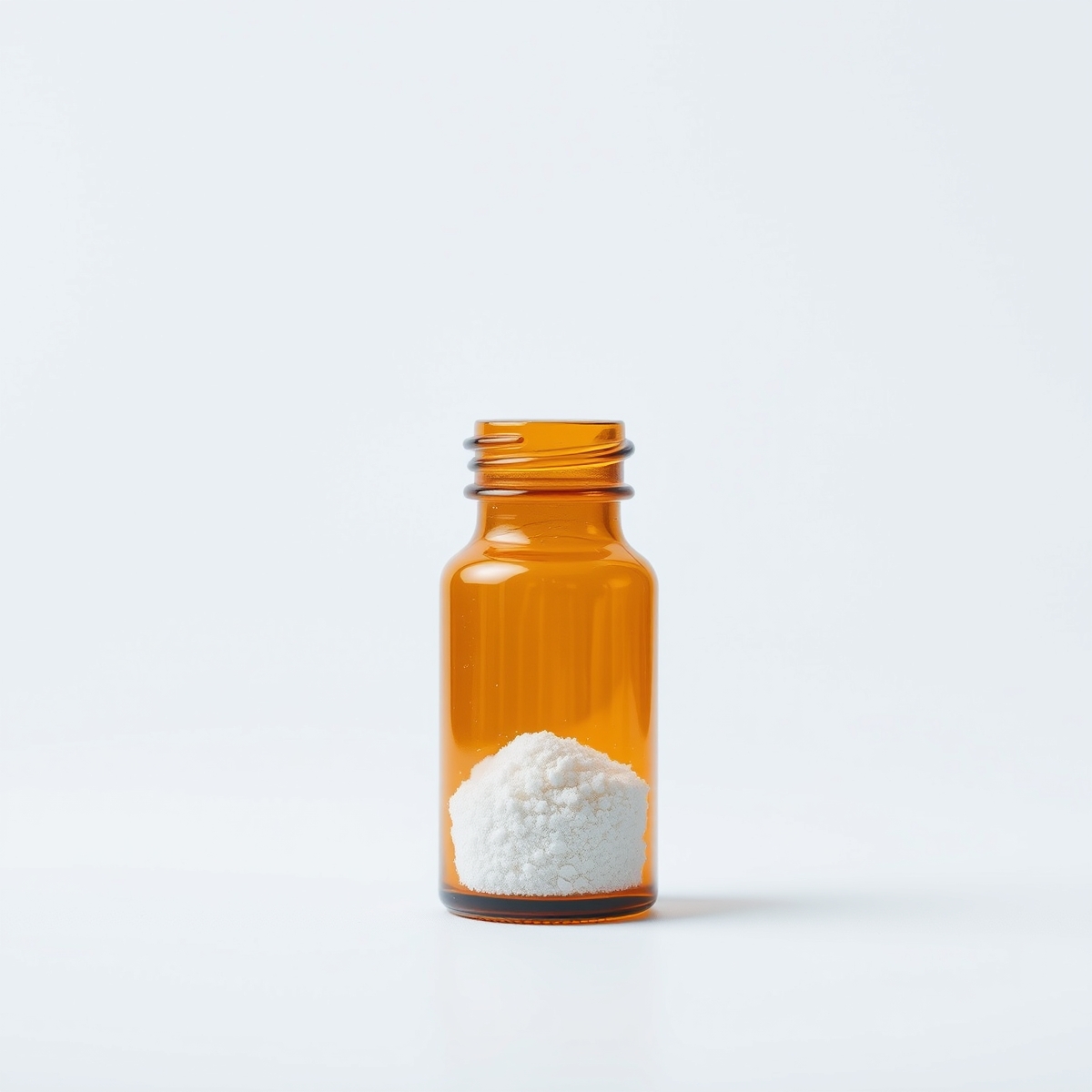
≥99%HPLC Purity
COAIncluded
USAShipped
Vesilut Peptide
Bladder-derived bioregulatory tripeptide (Lys-Glu-Asp). Researched for normalizing urinary tract function and bladder tissue restoration.
Coming Soon
This compound is currently in our development pipeline. Enter your email to be notified when it becomes available for research purchase.
Quick Facts
| SKU | VESL-001 |
|---|---|
| CAS Number | 76101-86-5 |
| Molecular Formula | C15H26N4O8 |
| Molecular Weight | 390.39 g/mol |
| Sequence | H-Lys-Glu-Asp-OH |
| Purity | ≥98% |
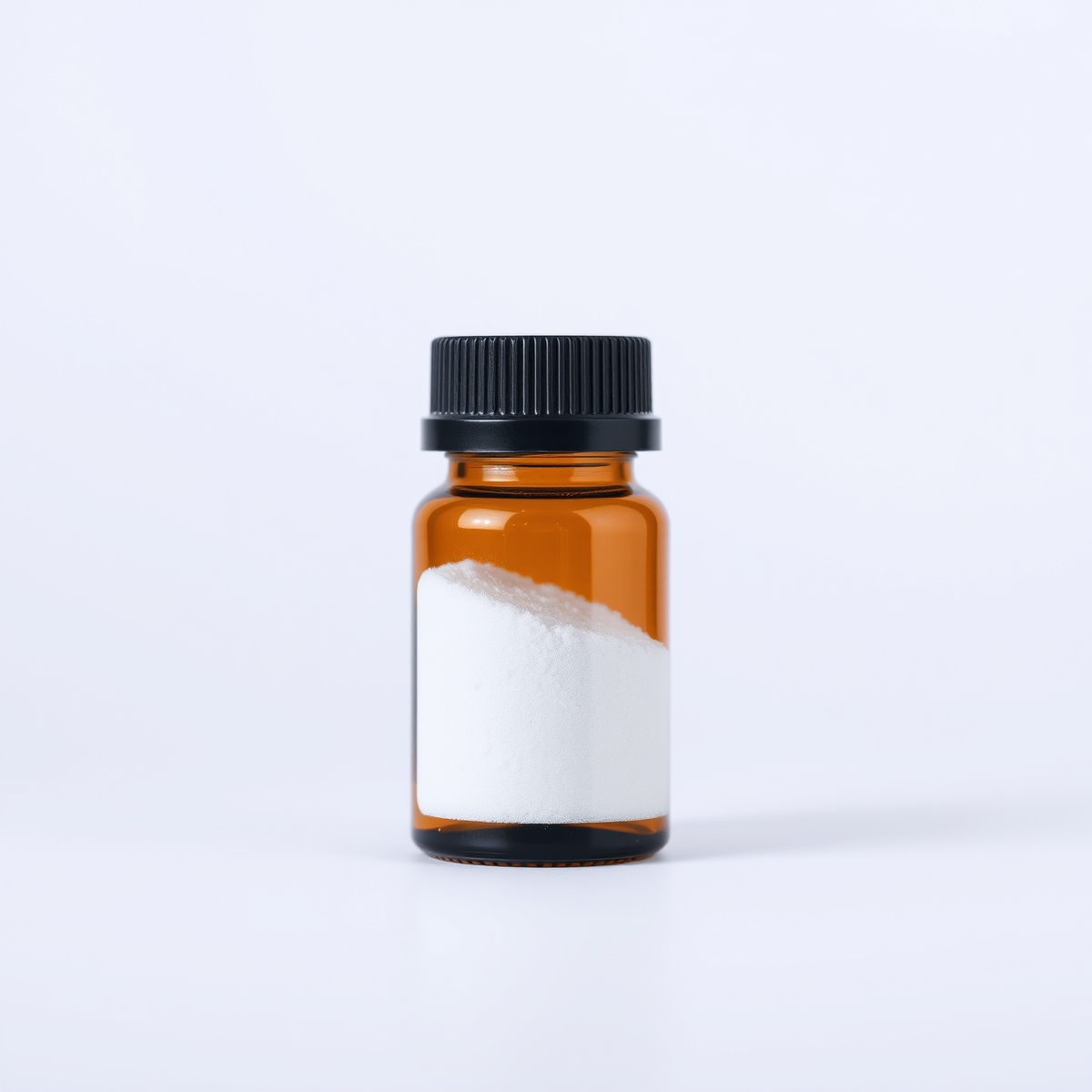
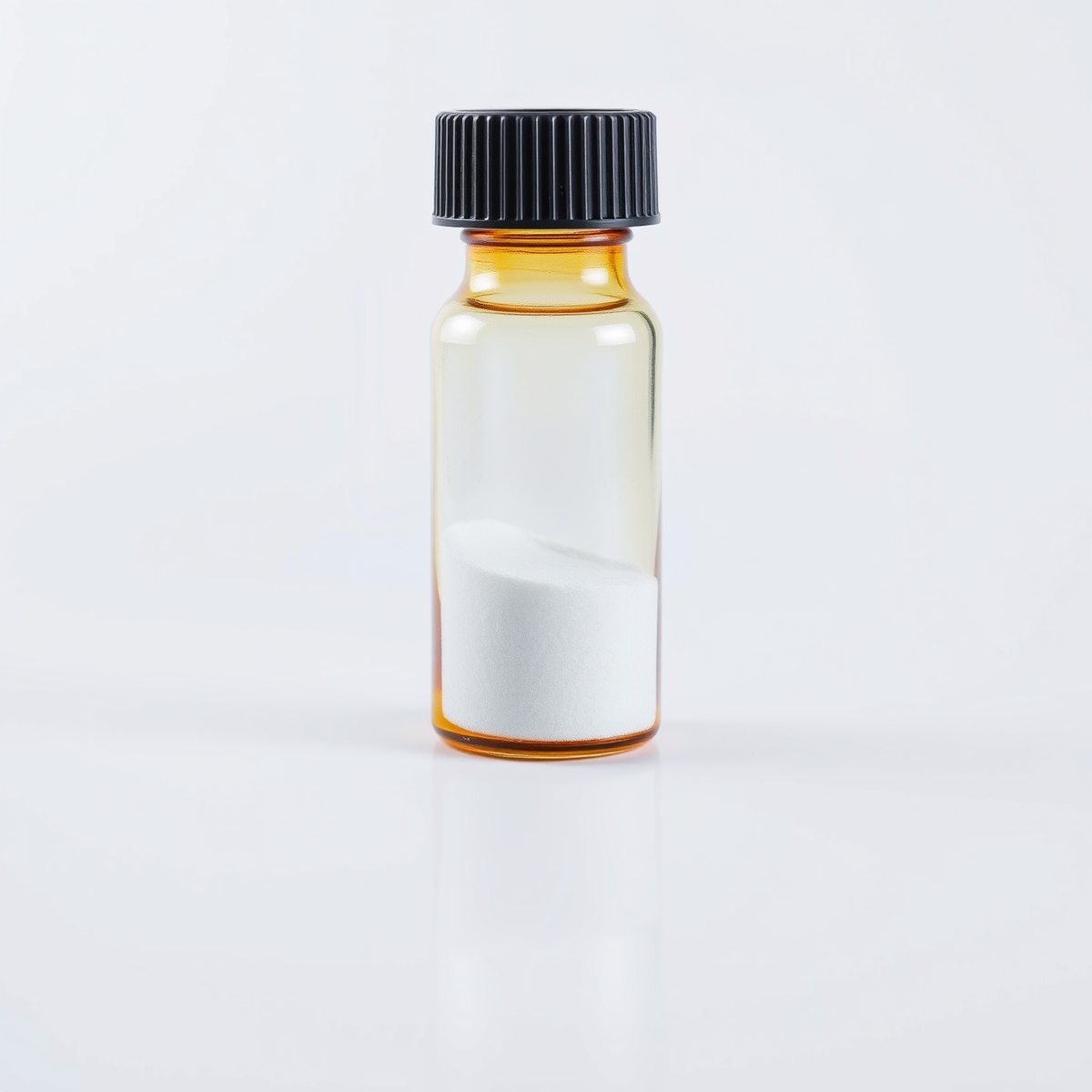
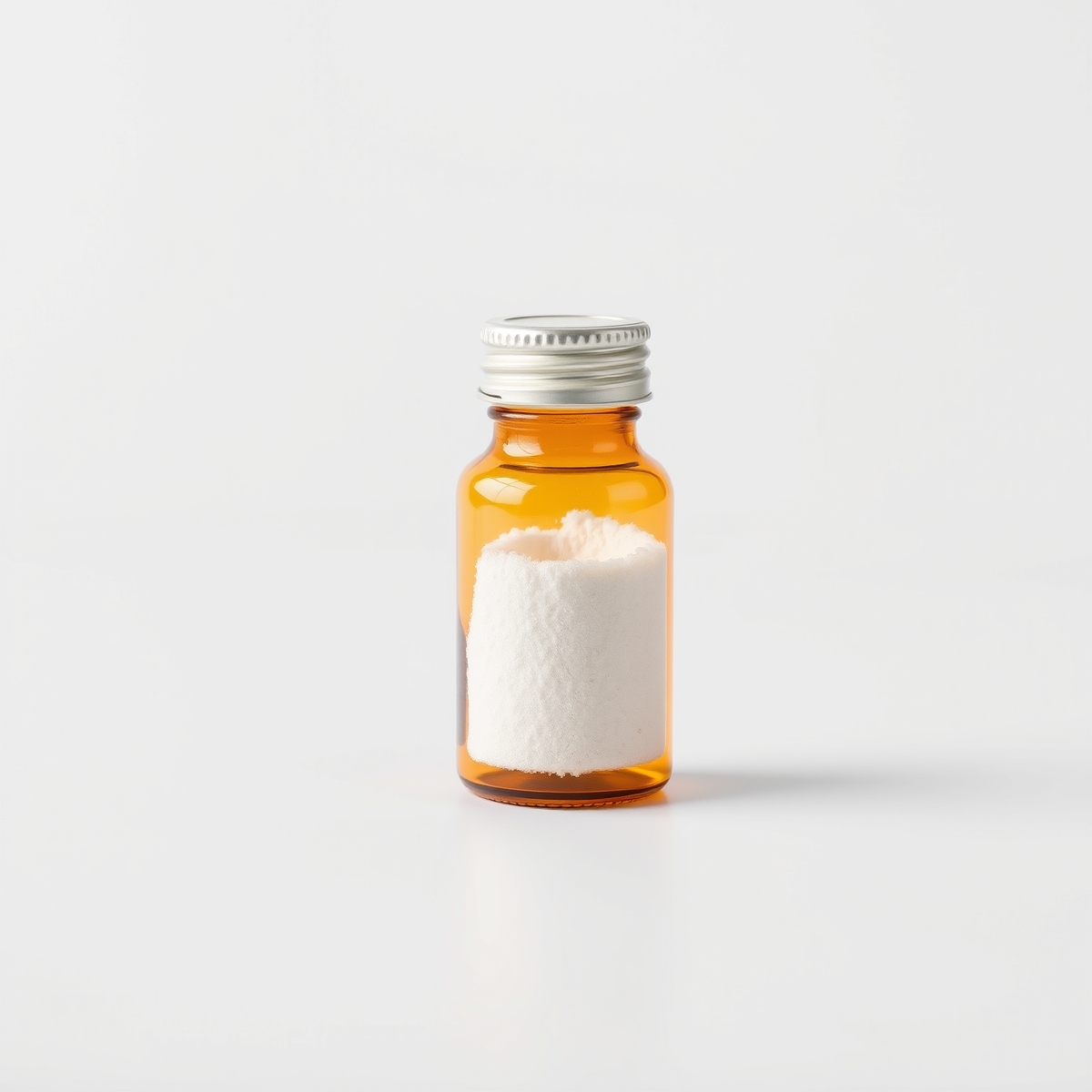
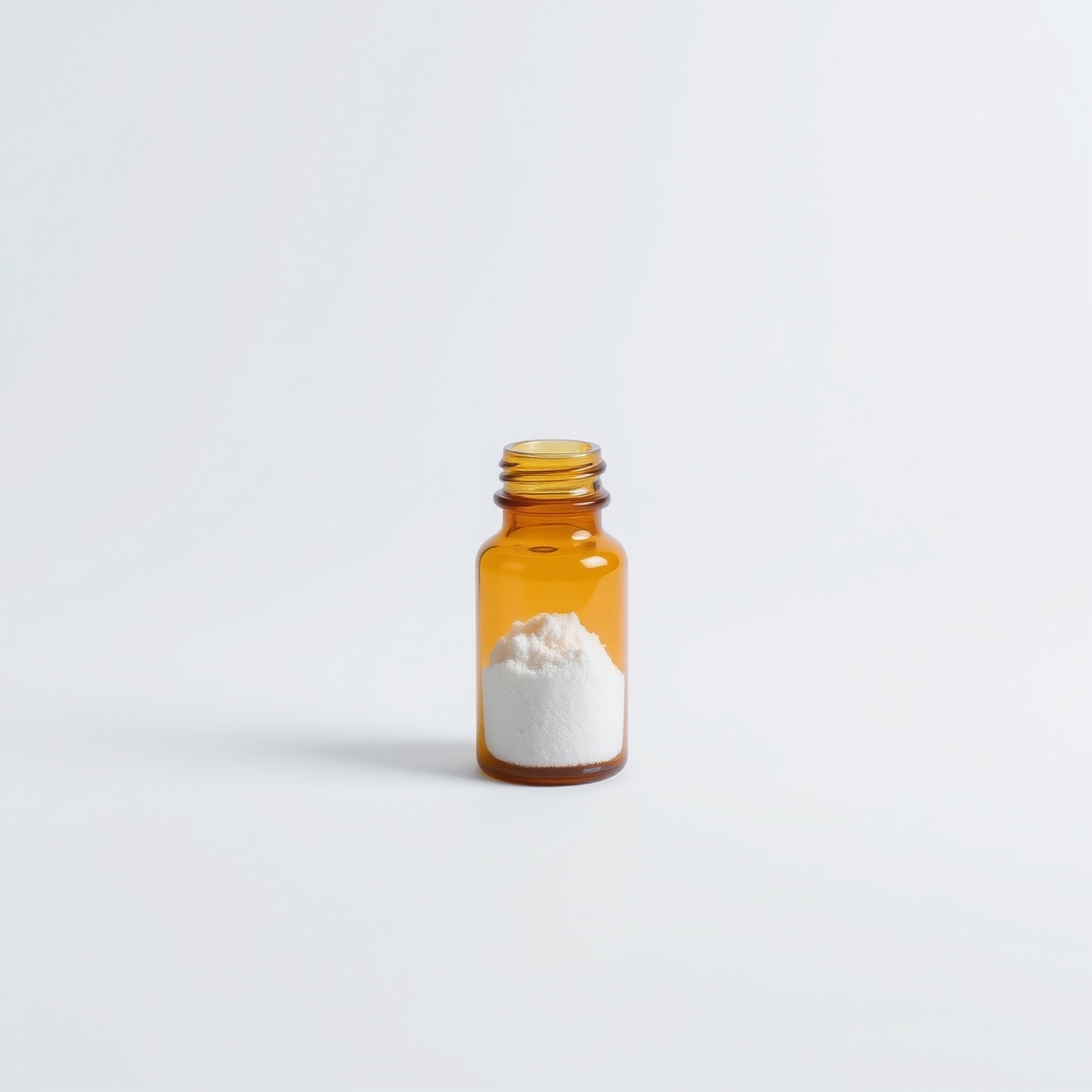
| Physical Form | Lyophilized Powder |
| Storage | Store at -20°C |
What is Vesilut (Lys-Glu-Asp)?
Bladder-derived tripeptide bioregulator normalizing detrusor muscle and urothelial cell function. Researched for age-related bladder dysfunction, overactive bladder models, and urinary tract tissue restoration.
What is Vesilut (Lys-Glu-Asp)?
Vesilut is a synthetic bioregulatory tripeptide composed of the amino acid sequence L-lysyl-L-glutamyl-L-aspartic acid (Lys-Glu-Asp, KED). With a molecular formula of C15H26N4O8, a molecular weight of 390.39 g/mol, and CAS registry number 76101-86-5, Vesilut belongs to the family of short peptide bioregulators developed at the St. Petersburg Institute of Bioregulation and Gerontology under the direction of Professor Vladimir Khavinson. The compound was isolated from bovine bladder tissue extracts in the 1980s and later synthesised in linear form to serve as a tissue-specific regulator of the urinary bladder epithelium and smooth muscle.
The Khavinson peptide research programme, which spans more than four decades, has produced over 20 short peptides corresponding to different organs and tissues. Each peptide is hypothesised to act as an epigenetic modulator that selectively binds to gene promoter regions within cells of its tissue of origin, restoring physiological gene expression patterns disrupted by ageing or pathology. Vesilut is the bladder-targeted member of this family, alongside related bioregulators such as Vilon (Lys-Glu, thymus/immune), Epitalon (Ala-Glu-Asp-Gly, pineal), Pinealon (Glu-Asp-Arg, brain), and Cortagen (Ala-Glu-Asp-Pro, cortex). Across the cited Khavinson literature, more than 600 peer-reviewed publications have addressed the bioregulatory peptide concept, with Vesilut specifically appearing in studies on urinary tract dysfunction, bladder atrophy, and age-related lower urinary tract symptom (LUTS) models.
What differentiates Vesilut from broader-acting peptides is its proposed tissue selectivity. Preclinical work suggests that the Lys-Glu-Asp motif preferentially associates with chromatin in transitional epithelium (urothelium) and detrusor smooth muscle cells, modulating expression of genes related to extracellular matrix integrity, proliferation, and contractile protein synthesis. This selectivity, combined with the peptide's very small size (three residues, <400 Da), gives it pharmacokinetic properties distinct from larger growth factors: rapid tissue penetration, absence of significant immunogenicity in animal models, and short plasma half-life that nonetheless appears sufficient to trigger durable transcriptional changes. Vesilut is supplied to research laboratories exclusively as a lyophilised powder of ≥98% HPLC purity for use in in-vitro urothelial cell culture, ex-vivo bladder strip experiments, and in-vivo rodent models of bladder ageing or chemically induced cystopathy. It is not approved for human therapeutic use in any jurisdiction.
Mechanism of Action
Vesilut is a short bioregulatory tripeptide composed of L-lysine, L-glutamic acid, and L-aspartic acid (Lys-Glu-Asp, KED). It belongs to the family of Khavinson short peptides, which are hypothesized to act as tissue-specific gene-expression modulators rather than as classical receptor ligands. Research into related KED-containing and KE-containing peptides (such as Vilon, Lys-Glu) has formed the basis for the current understanding of Vesilut's proposed mechanism in bladder and urothelial tissue.
Penetration into the Nucleus and Direct DNA Interaction
The leading mechanistic hypothesis, advanced primarily by Khavinson and colleagues, is that small peptides such as Lys-Glu-Asp penetrate the cytoplasmic and nuclear membranes and interact directly with double-stranded DNA in the promoter regions of specific genes. The peptides are proposed to bind in the major groove of DNA at sites enriched in CpG dinucleotides, where they may influence the methylation state and accessibility of transcription factor binding sites. This is theorized to selectively up- or down-regulate gene expression in a tissue-specific manner, consistent with the empirical observation that different short peptides exhibit distinct tropisms for different organs.
Modulation of Urothelial and Smooth Muscle Gene Expression
In bladder-focused preclinical work, KED-type peptides have been associated with normalization of expression patterns of structural and functional markers in urothelial cells, including changes in proliferation markers (Ki-67, PCNA), apoptosis-regulating proteins (Bcl-2, p53), and connexin-43, which is involved in gap-junction signaling between detrusor smooth muscle cells. By influencing these markers, Vesilut is proposed to support restoration of normal urothelial turnover and detrusor coordination in aged or stressed bladder tissue.
Anti-Inflammatory and Antioxidant Pathways
Short peptides of the Khavinson family have been reported to reduce expression of pro-inflammatory cytokines (IL-1β, IL-6, TNF-α) and to increase the activity of endogenous antioxidant enzymes such as superoxide dismutase and catalase in tissue cultures. In the context of bladder research, these effects are hypothesized to mitigate oxidative stress associated with chronic inflammation and age-related dysfunction of the lower urinary tract.
Epigenetic and Telomere-Associated Effects
Related KE-containing peptides (Vilon, Epitalon) have been described as modulators of telomerase activity and chromatin compaction in somatic cell cultures. While direct telomere data specific to Vesilut are limited, mechanistic parallels suggest that Lys-Glu-Asp may share a similar epigenetic regulatory profile, contributing to the restoration of cellular function in aged bladder tissue.
Comparison to Related Bioregulators
Unlike receptor-targeting peptides such as GLP-1 analogues, Vesilut does not act through a defined G-protein coupled receptor. Its proposed mechanism aligns with that of Vilon (Lys-Glu) and Chonluten (Glu-Asp-Gly), where tissue specificity is determined by the amino acid sequence rather than by a discrete binding partner. This places Vesilut within a broader peptide-bioregulator framework being investigated for tissue-restorative research applications.
Research & Clinical Studies
Preclinical Study: Bladder Tissue Restoration in Aged Animal Models
One of the foundational lines of research supporting the use of Lys-Glu-Asp (KED) in bladder-focused investigations comes from the broader Khavinson bioregulator program. In aged rodent models with experimentally induced bladder dysfunction, peptide complexes derived from bladder tissue and their synthetic analogues (including KED) have been evaluated for effects on urothelial morphology, detrusor contractility, and inflammatory markers.
Study Design
Typical study designs in this line of research involve aged Wistar rats (18-24 months) randomized into control and peptide-treated groups. Animals receive subcutaneous administration of the peptide at low microgram doses (commonly 0.1-1.0 µg/kg) for 7-14 days. Bladder tissue is then harvested for histological, immunohistochemical, and molecular analyses, while urodynamic parameters such as voiding frequency and bladder capacity are measured in vivo.
Key Reported Findings
- Urothelial restoration: Peptide-treated animals showed normalization of urothelial thickness and reduced markers of apoptosis (TUNEL-positive cells) compared with untreated aged controls.
- Proliferation marker shifts: Ki-67 and PCNA expression patterns trended toward those observed in younger control animals, suggesting partial restoration of urothelial turnover.
- Reduced inflammatory infiltrate: Histology indicated lower lymphocytic infiltration in the lamina propria.
- Functional outcomes: Urodynamic readouts demonstrated increased bladder capacity and reduced non-voiding contractions in treated cohorts.
Mechanistic Interpretation
The authors interpret these results as consistent with a gene-regulatory mechanism in which the peptide modulates expression of structural and signaling proteins in urothelial and detrusor cells. The observation that effects persist beyond the dosing window is taken as indirect evidence of epigenetic (rather than purely pharmacological) action.
Research Context
These findings should be interpreted as preclinical, hypothesis-generating data within the Khavinson bioregulator framework. They do not establish efficacy or safety in humans, and independent replication outside the originating research groups is still limited. Vesilut should therefore be regarded as a research-stage compound for in vitro and in vivo investigation of bladder tissue biology.
Chemical & Physical Properties
Vesilut is a synthetic tripeptide bioregulator with a well-defined chemical identity. The following table summarizes the verified physicochemical properties relevant to laboratory handling, reconstitution, and analytical confirmation of identity.
| Full Name | Lysyl-Glutamyl-Aspartic Acid (Lys-Glu-Asp) |
|---|---|
| Synonyms | Vesilut, Vesugen, KED tripeptide, Bladder Bioregulator |
| Molecular Formula | C₁₅H₂₆N₄O₈ |
| Molecular Weight | 390.39 g/mol |
| CAS Number | 76101-86-5 |
| Sequence | H-Lys-Glu-Asp-OH |
| Amino Acid Count | 3 (tripeptide) |
| Origin / Developer | Saint Petersburg Institute of Bioregulation and Gerontology (Khavinson research group) |
| Peptide Class | Khavinson short peptide bioregulator |
| Tissue Tropism (proposed) | Urothelium, bladder detrusor smooth muscle |
| Physical Form | Lyophilized white powder |
| Solubility | Freely soluble in water and bacteriostatic water; soluble in 0.9% saline; sparingly soluble in DMSO |
| Isoelectric Point (approx.) | ~4.5 (acidic, owing to two carboxylate side chains) |
| Purity (standard) | ≥98% by HPLC |
| Appearance in Solution | Clear, colorless solution at typical research concentrations (1-10 mg/mL) |
Structural Notes
Vesilut contains one basic residue (lysine, providing a free ε-amino group) and two acidic residues (glutamic acid and aspartic acid, providing carboxylate side chains). This combination gives the peptide an overall acidic isoelectric point and contributes to its high aqueous solubility. The small size (three residues, ~390 Da) places Vesilut well below the typical molecular-weight cutoff for membrane permeability, supporting the hypothesis that it can access intracellular compartments. The peptide contains no cysteine residues, so disulfide-bond oxidation is not a stability concern, and no methionine, eliminating Met-oxidation risk during storage.
Handling & Reconstitution Guidelines
Vesilut is supplied as a sterile lyophilised white powder in sealed glass vials. Because the Lys-Glu-Asp tripeptide is highly hydrophilic and contains both basic (lysine) and acidic (glutamate, aspartate) side chains, reconstitution is straightforward and the peptide dissolves readily in aqueous buffers without requiring organic co-solvents. The following protocol is recommended for laboratory preparation.
- Equilibrate the vial. Remove the lyophilised vial from -20°C storage and allow it to reach room temperature (approximately 20–25°C) for 20–30 minutes. This prevents condensation from forming inside the vial when the stopper is pierced, which would otherwise introduce moisture and accelerate hydrolysis.
- Select the diluent. Bacteriostatic water for injection (0.9% benzyl alcohol) or sterile 0.9% sodium chloride is suitable for most research applications. Sterile water for injection may also be used. Phosphate-buffered saline (PBS) at physiological pH (7.2–7.4) is preferred for cell culture experiments.
- Calculate the working concentration. A typical reconstitution is 5 mg Vesilut in 1 mL diluent, yielding a 5 mg/mL stock solution. For lower-concentration assays, dilute the stock further in sterile buffer immediately before use.
- Add diluent slowly. Using a sterile syringe, inject the diluent down the inner wall of the vial rather than directly onto the lyophilised powder. This minimises foaming and localised denaturation.
- Dissolve gently. Swirl or rotate the vial slowly between the palms until the powder is fully dissolved. Do not vortex or shake vigorously, as mechanical agitation can introduce air bubbles and shear stress that promote degradation of short peptides.
- Inspect the solution. The reconstituted peptide should appear clear and colourless. Any visible particulates indicate contamination or incomplete dissolution and the solution should be discarded.
- Aliquot and label. Divide the stock solution into single-use aliquots in low-binding polypropylene tubes, label with concentration and date, and freeze at -20°C or -80°C immediately. This avoids repeated freeze-thaw cycles, which are the principal cause of activity loss in short peptide bioregulators.
Compound-specific notes: Vesilut contains an aspartate residue at the C-terminus, which under acidic conditions (pH <5) can undergo intramolecular cyclisation to form succinimide intermediates and isoaspartate. Maintain reconstitution buffers at near-neutral pH to preserve the linear sequence. The lysine ε-amino group is reactive toward aldehydes and reducing sugars; avoid buffers containing glucose for long-term storage. Always use aseptic technique under a laminar flow hood when preparing solutions for cell-based assays.
Storage & Stability Information
Proper storage is critical to maintaining the bioregulatory activity of Vesilut, particularly because short peptides are susceptible to hydrolysis, oxidation, and deamidation if exposed to moisture, light, or fluctuating temperatures.
Lyophilised powder: The unreconstituted lyophilisate is most stable when stored at -20°C in the original sealed vial, where it retains ≥98% purity for at least 24 months according to accelerated stability data for related Khavinson tripeptides. Short-term storage at 2–8°C (standard laboratory refrigerator) is acceptable for up to 30 days. During shipping, the powder tolerates ambient temperatures (15–25°C) for up to 14 days without significant degradation, owing to the inherent stability of the lyophilised state. Always store vials in a desiccated container or with desiccant packets to prevent atmospheric moisture uptake, which can initiate hydrolysis of the peptide bonds.
Reconstituted solution: Once dissolved, Vesilut should be stored at 2–8°C and used within 7–10 days for routine assays. For longer-term storage, divide the solution into single-use aliquots and freeze at -20°C (up to 3 months) or -80°C (up to 12 months). Avoid repeated freeze-thaw cycles; each cycle can reduce active peptide content by 5–10% due to aggregation and partial hydrolysis.
Stability considerations specific to Lys-Glu-Asp: Vesilut does not contain methionine, cysteine, or tryptophan, so it is not sensitive to oxidation or photodegradation in the way that peptides such as Selank or Semax are. However, the asparagine-free sequence still carries the aspartate residue, which is susceptible to isomerisation at acidic pH or elevated temperature. Maintain reconstituted solutions at pH 6.5–7.5 to minimise this pathway. Light exposure is not a primary concern, but amber vials or foil-wrapped tubes are nonetheless recommended for solutions held in transparent containers under laboratory lighting. Always document storage temperature logs and discard any material that has been exposed to uncontrolled conditions or shows visible turbidity, discolouration, or precipitate formation upon thawing.
Frequently Asked Questions
What tissues does Vesilut target?
Vesilut specifically targets bladder detrusor smooth muscle and urothelium. It normalizes contractile function and urothelial barrier integrity in age-related bladder dysfunction models.
What is the molecular weight and CAS number of Vesilut?
Vesilut (Lys-Glu-Asp) has a molecular formula of C15H26N4O8, a molecular weight of 390.39 g/mol, and CAS number 76101-86-5. It is a tripeptide composed of L-lysine, L-glutamic acid, and L-aspartic acid (H-Lys-Glu-Asp-OH), supplied by AminoCore Research as a lyophilized powder at ≥98% HPLC purity for laboratory research applications.
How does Vesilut compare to Vilon (Lys-Glu)?
Vesilut (Lys-Glu-Asp) and Vilon (Lys-Glu) are both Khavinson-class short peptide bioregulators, but they differ in tissue tropism. Vilon is primarily investigated as an immunomodulatory dipeptide derived from thymic tissue research, while Vesilut is a tripeptide associated with bladder and urothelial research. Both peptides are hypothesized to act through direct interaction with DNA in promoter regions and to modulate gene expression in a tissue-specific manner, rather than through classical receptor signaling.
How should Vesilut be stored in the laboratory?
Lyophilized Vesilut should be stored at -20°C for long-term stability, where it remains stable for 24+ months in its sealed vial. Short-term storage (up to 30 days) at 2-8°C is acceptable, and brief transit at ambient temperature does not compromise integrity because the peptide contains no cysteine or methionine residues vulnerable to oxidation. After reconstitution in bacteriostatic or sterile water, solutions should be kept at 2-8°C and used within 14-21 days, protected from repeated freeze-thaw cycles.
Is Vesilut approved for human use?
No. Vesilut is supplied by AminoCore Research strictly as a research-grade compound for in vitro and preclinical in vivo laboratory investigation. It is not approved by the FDA, EMA, or any other regulatory authority as a drug, dietary supplement, or therapeutic product, and it must not be used in humans or for veterinary clinical purposes. All available data on Lys-Glu-Asp derive from preclinical studies within the Khavinson bioregulator research program.
What is Vesilut (Lys-Glu-Asp) and what is it used for in research?
Vesilut is a synthetic tripeptide bioregulator with the sequence Lys-Glu-Asp (KED), molecular weight 390.39 g/mol, and CAS number 76101-86-5. It was developed within the Khavinson short peptide programme at the St. Petersburg Institute of Bioregulation and Gerontology and is derived from bovine bladder tissue extracts. Vesilut is used in preclinical research to study urothelial regeneration, detrusor smooth muscle function, and age-related changes in bladder tissue. It is hypothesised to act as a tissue-selective epigenetic modulator that binds to gene promoter regions in bladder cells, normalising expression of genes involved in extracellular matrix maintenance and proliferation. It is supplied as lyophilised powder of ≥98% HPLC purity for laboratory use only.
How does Vesilut differ from other Khavinson bioregulatory peptides?
Vesilut shares the Khavinson short peptide design philosophy with compounds such as Epitalon (Ala-Glu-Asp-Gly, pineal), Pinealon (Glu-Asp-Arg, brain), Cortagen (Ala-Glu-Asp-Pro, cortex), and Vilon (Lys-Glu, immune/thymus), but is distinguished by its proposed tissue selectivity for the urinary bladder. The Lys-Glu-Asp sequence is hypothesised to preferentially interact with chromatin in urothelial and detrusor smooth muscle cells. Like the other members of the family, Vesilut is a very short peptide (under 400 Da), is non-immunogenic in animal models, and acts at low doses, but its research applications are concentrated on bladder atrophy, cystitis models, and lower urinary tract dysfunction rather than central nervous system or immune outcomes.
What sizes of Vesilut are available for research purchase?
AminoCore Research supplies Vesilut as lyophilised powder of ≥98% HPLC purity in standard research vial sizes. Available quantities and current pricing are listed on the product page variant selector. Each vial is sealed under inert atmosphere and shipped with a Certificate of Analysis (CoA) documenting purity, mass spectrometric identity confirmation, and lot number. Bulk quantities for institutional research projects may be available upon request through the AminoCore Research contact form. All material is sold strictly for in-vitro and preclinical in-vivo laboratory research and is not for human consumption, diagnostic, or therapeutic use.
Does Vesilut require any special handling because of its aspartate residue?
Yes. Vesilut contains a C-terminal aspartate residue that is susceptible to intramolecular cyclisation and isomerisation under acidic conditions (pH below 5) or at elevated temperatures, forming succinimide intermediates and isoaspartate that can reduce bioregulatory activity. To preserve the linear Lys-Glu-Asp sequence, reconstitute the peptide in near-neutral buffers (pH 6.5–7.5) such as PBS, bacteriostatic water, or sterile saline, and avoid prolonged exposure to room temperature once dissolved. The lysine ε-amino group is also reactive toward reducing sugars, so glucose-containing buffers should be avoided for long-term storage. Aliquot the reconstituted solution and freeze immediately to minimise freeze-thaw cycles.
For laboratory and research use only. Not intended for human or animal consumption. All product information is derived from published preclinical research and does not constitute medical advice or claims.