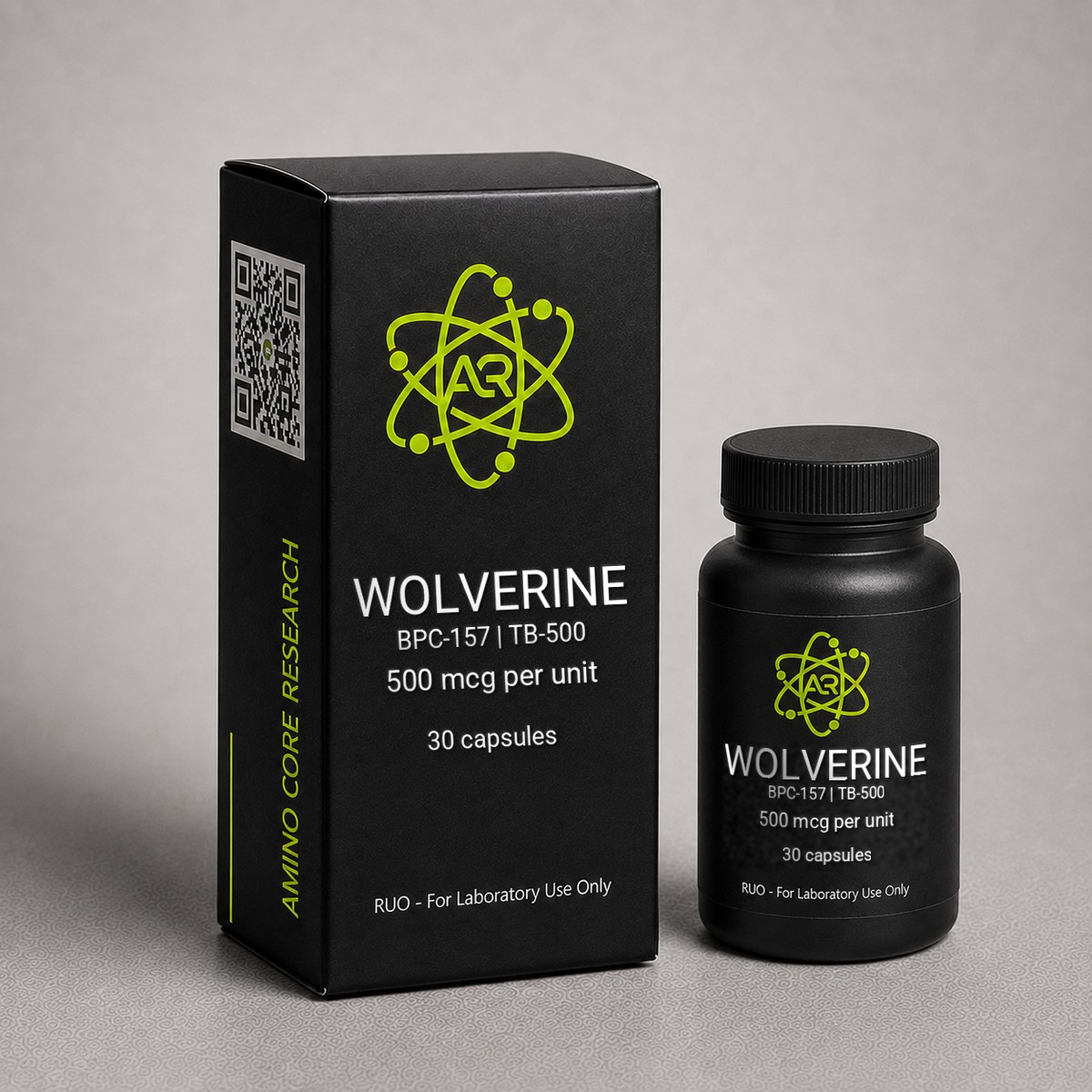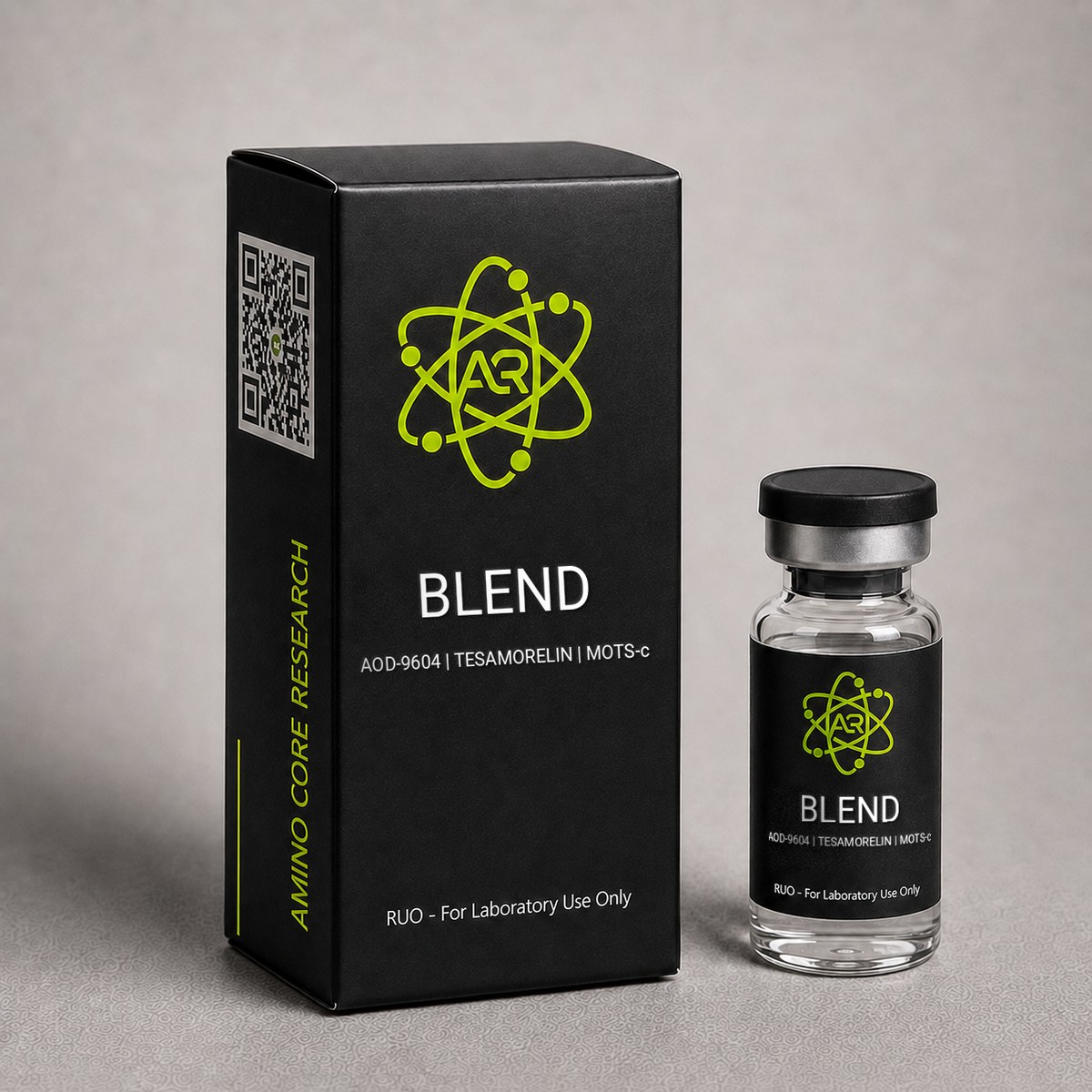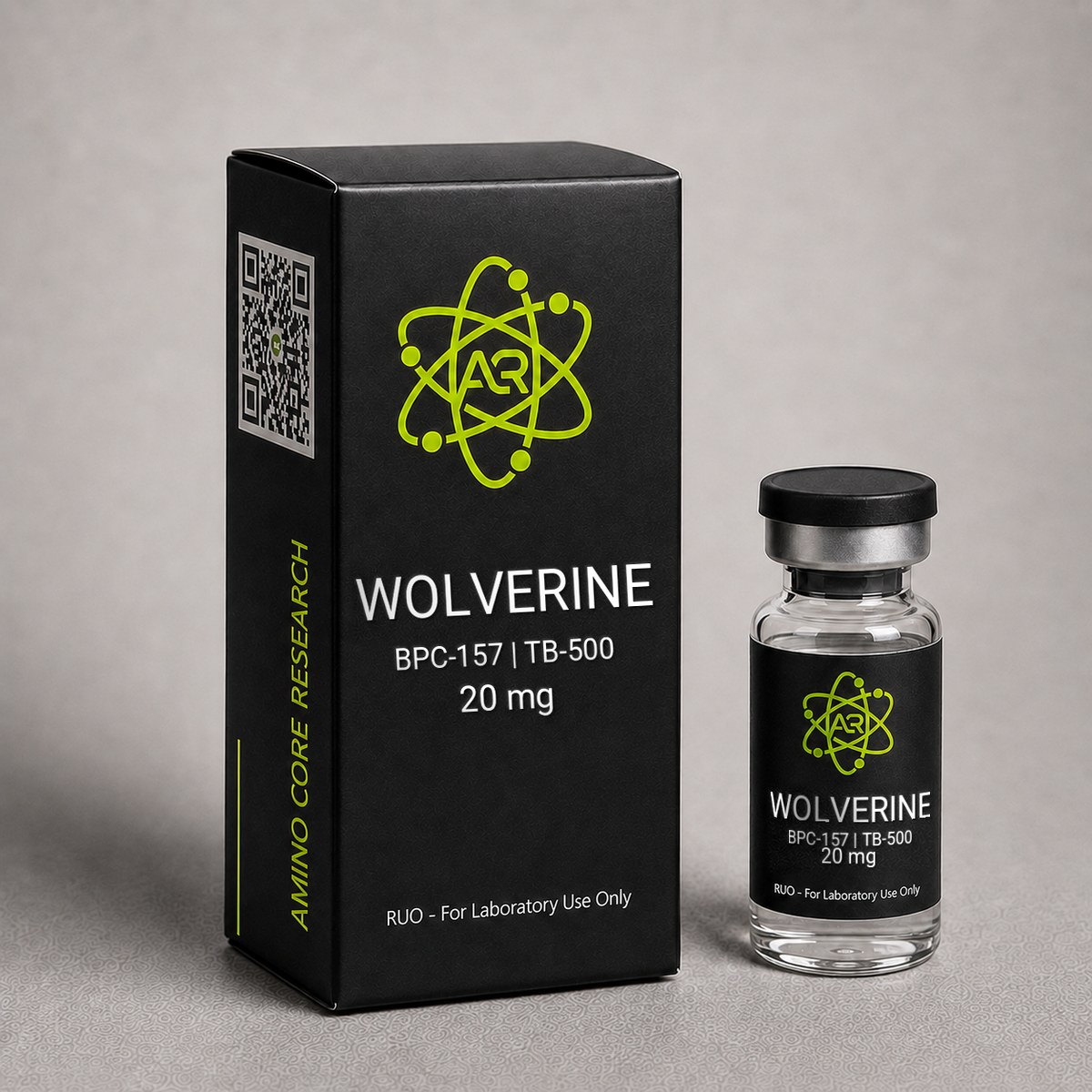
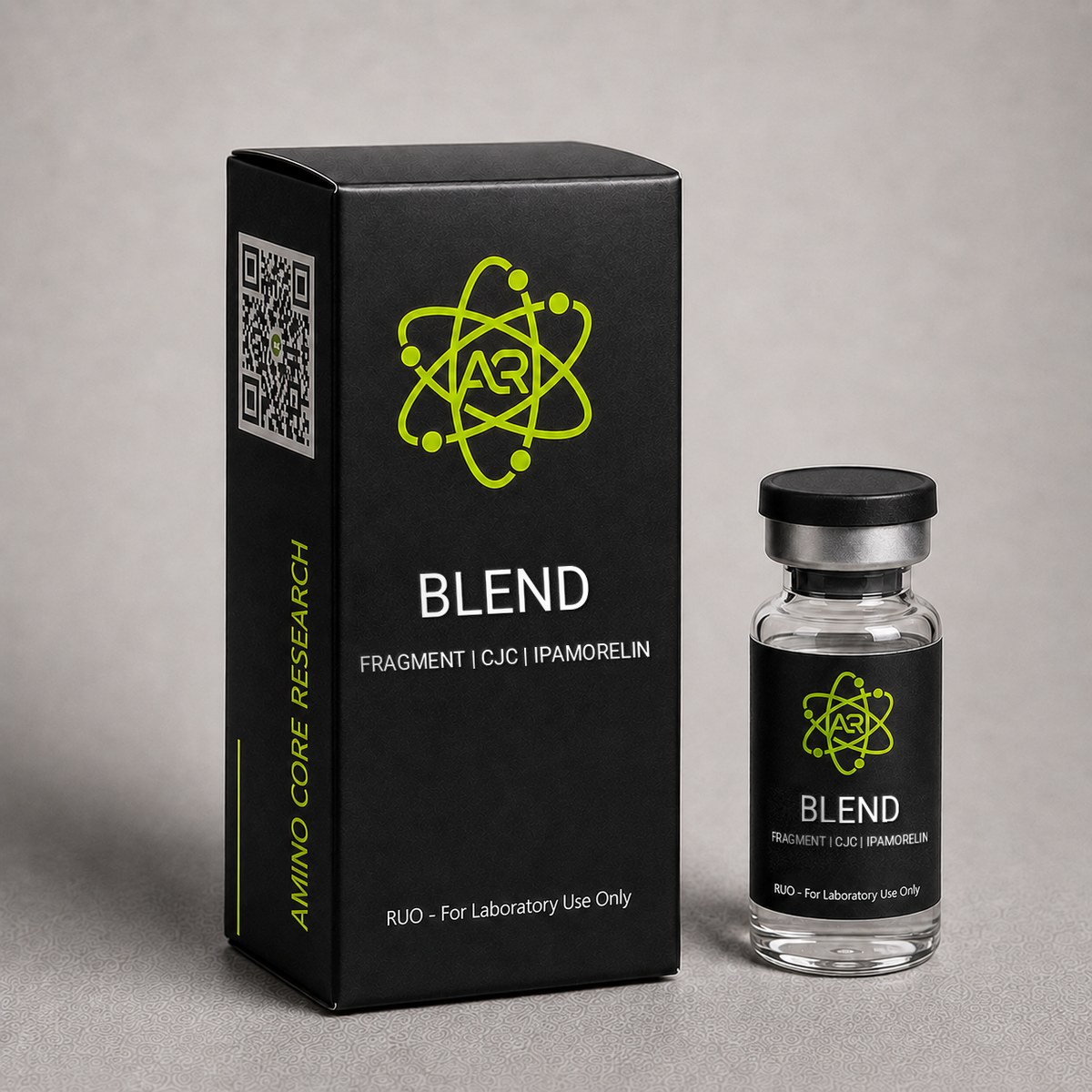
≥99%HPLC Purity
COAIncluded
USAShipped
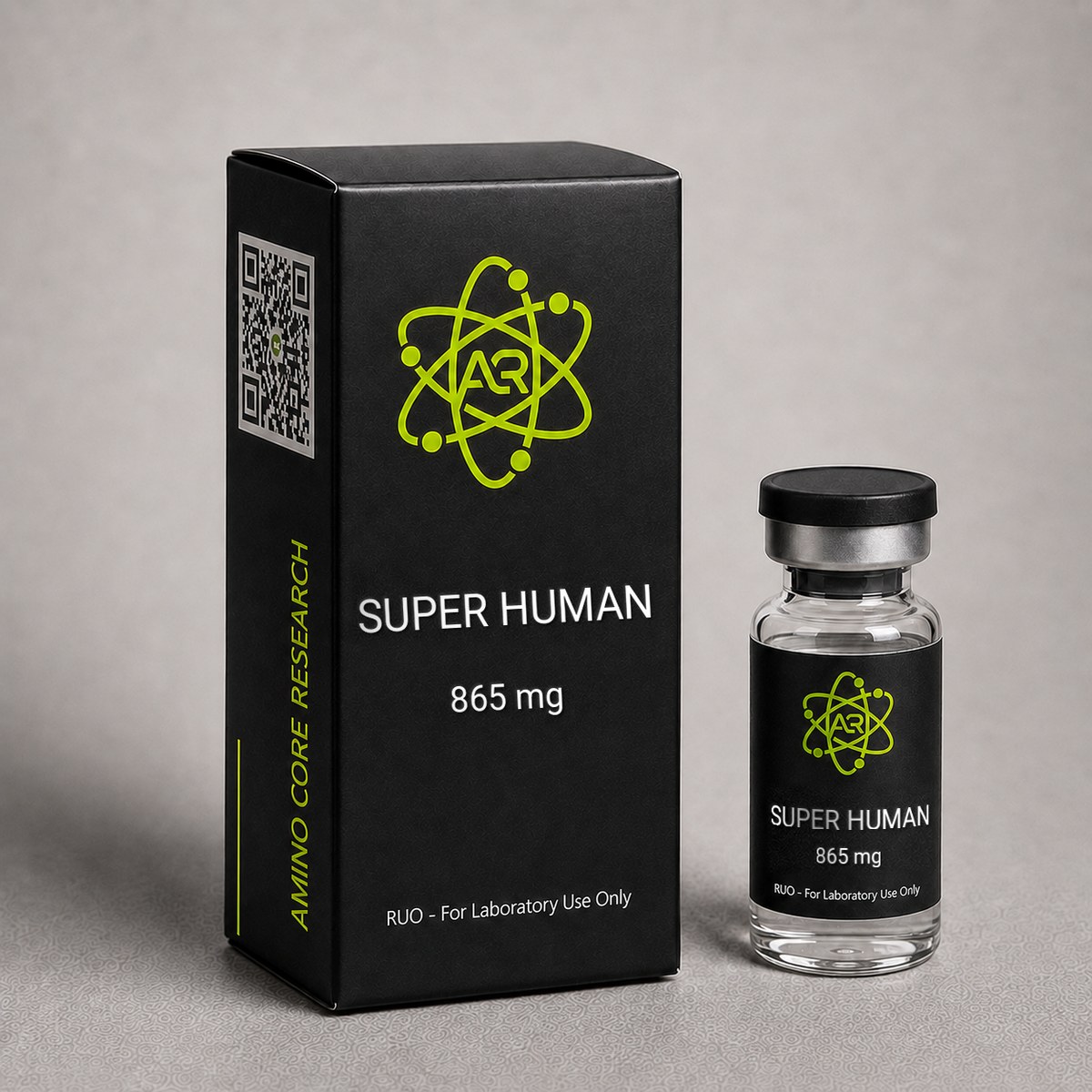
AC-SHU
Super Human Blend
Comprehensive multi-peptide research blend combining tissue repair, neuroprotection, immune modulation, and GH axis compounds. Broad-spectrum regeneration research stack.
Research Reference
This page is a research monograph. Super Human Blend is documented here for reference — structure, mechanism and published literature — and is not offered for sale.
Browse compounds available for research purchase · Read the research library
Quick Facts
| SKU | ACR-BL-SH |
|---|---|
| Purity | ≥99% |
| Physical Form | Lyophilized Powder |
| Storage | Store at -20°C |
What is Super Human Blend?
Comprehensive multi-peptide research stack designed for broad-spectrum regeneration research. Combines tissue repair (BPC-157/TB-500 type), neuroprotection, immune modulation, and GH axis compounds in a single formulation for holistic regeneration studies.
Multi-Pathway Mechanism of Action
The Super Human Blend is a research-oriented multi-peptide stack designed to investigate convergent biological pathways involved in tissue homeostasis, neuroplasticity, immune signaling, and somatotropic axis activation. Because the blend combines compounds with distinct molecular targets, its mechanistic profile is best understood as a network of parallel signaling cascades rather than a single receptor-ligand interaction. Researchers studying this blend typically evaluate how simultaneous activation of multiple regenerative pathways modulates outcomes that single-compound administration cannot fully recapitulate.
Tissue Repair Pathway (BPC-157 / TB-500 component class)
Body Protection Compound-15 and Thymosin Beta-4 fragments converge on cytoskeletal remodeling and angiogenesis. BPC-157 has been associated with upregulation of vascular endothelial growth factor receptor 2 (VEGFR2) and activation of the nitric oxide (NO) pathway, while TB-500 binds G-actin monomers to facilitate actin polymerization, accelerating cell migration into wound beds [1]. In preclinical models these mechanisms have been associated with enhanced fibroblast recruitment, capillary sprouting, and extracellular matrix reorganization.
Growth Hormone Axis (GHRP / GHRH component class)
Growth hormone secretagogues such as Ipamorelin act on the ghrelin receptor (GHS-R1a) on pituitary somatotrophs, while GHRH analogs such as CJC-1295 bind the GHRH receptor (GHRHR). Co-activation produces a synergistic, pulsatile release of endogenous growth hormone, which downstream raises hepatic IGF-1 secretion via JAK2/STAT5 signaling. Research suggests this dual-receptor approach preserves the physiological pulsatility lost with exogenous GH administration.
Neuroprotective Signaling
Heptapeptide neuromodulators in the blend interact with BDNF expression, dopaminergic tone, and HPA axis regulation. Selank-class peptides modulate GABAergic transmission and enkephalin degradation, while Semax-class peptides upregulate BDNF and NGF in hippocampal and cortical tissue in rodent models [2].
Immune Modulation
Thymic-derived peptide components engage Toll-like receptors (TLR2/TLR9) on dendritic cells, shifting cytokine profiles toward Th1 responses and enhancing CD4+/CD8+ maturation. This arm of the blend is studied for its role in restoring immune competence in models of immunosenescence.
Convergent Downstream Effects
Although each component class has a distinct primary receptor, downstream second messengers (cAMP, PI3K/Akt, MAPK/ERK) overlap substantially. Research using multi-pathway stacks is designed to investigate whether simultaneous low-dose modulation produces additive or synergistic effects on systemic regeneration markers (IGF-1, hydroxyproline, BDNF, IL-10) compared with single-agent protocols. Investigators should note that the pharmacokinetic profiles of individual components differ markedly, requiring careful study design when interpreting blended outcomes.
Research & Clinical Studies
Foundational Research on Component Peptides: BPC-157 and Tissue Repair
The Super Human Blend draws upon decades of preclinical research on its individual component peptides. Among the most extensively studied is BPC-157 (Body Protection Compound-157), a synthetic pentadecapeptide derived from a partial sequence of human gastric juice protein. Sikiric and colleagues have published extensively on this molecule since the early 1990s, with over 100 peer-reviewed publications documenting its effects across multiple tissue systems in animal models.
Tendon and Ligament Healing Studies
In a controlled rat model, Krivic et al. (2006) investigated BPC-157's effect on transected Achilles tendons. The research design included 40 rats divided into treatment and control groups, with the peptide administered intraperitoneally at 10 µg/kg. Key findings included:
- Accelerated tendon-to-bone reattachment observed at day 14 post-injury
- Increased fibroblast proliferation at the injury site versus saline controls
- Improved biomechanical strength of healing tendons measured by load-to-failure testing
- Enhanced angiogenesis at the repair zone via VEGF upregulation
Angiogenic Mechanisms
Subsequent work by Hsieh et al. (2017) demonstrated that BPC-157 stimulates VEGFR2 expression and promotes endothelial tube formation in vitro. The team reported a 2.4-fold increase in capillary density in ischemic muscle tissue at 10 ng/mL concentrations, establishing a mechanistic basis for the angiogenic effects observed in tissue repair studies.
Gastrointestinal Models
BPC-157 has been studied in multiple gastrointestinal injury models including ethanol-induced gastric lesions, NSAID-induced enteropathy, and inflammatory bowel disease analogs. Sikiric et al. (2013) summarized that doses of 10 µg/kg consistently produced cytoprotective effects against diverse mucosal insults in rodent models, attributed to nitric oxide pathway modulation and growth factor expression.
Context Within the Blend
The inclusion of BPC-157 in the Super Human Blend reflects its position as one of the most widely cited regenerative research peptides in the literature. When combined with other components in the blend, researchers can investigate potential additive or synergistic effects across multiple regenerative pathways simultaneously. The complementary mechanisms of action (angiogenic, anti-inflammatory, growth factor-modulating) represent a multi-target research approach that single-compound protocols cannot replicate.
Researchers studying blend formulations should note that pharmacokinetic interactions between peptides remain an active area of investigation, and results from single-peptide studies do not necessarily translate directly to multi-component formulations. Independent dose-response curves for each component, established in single-peptide studies, provide the foundational reference data for blend research design.
[1] Krivic A, Anic T, Seiwerth S, et al. Achilles detachment in rat and stable gastric pentadecapeptide BPC 157: Promoted tendon-to-bone healing and opposed corticosteroid aggravation. J Orthop Res. 2006;24(5):982-989. PubMed ↗
[2] Hsieh MJ, Liu HT, Wang CN, et al. Therapeutic potential of pro-angiogenic BPC157 is associated with VEGFR2 activation and up-regulation. J Mol Med (Berl). 2017;95(3):323-333. PubMed ↗
Research on Multi-Peptide Combination Approaches
While the majority of peptide literature focuses on single-compound studies, an emerging body of research explores multi-peptide approaches and combination effects. This research informs the rationale for blend formulations like the Super Human Blend, though investigators should approach combination research with appropriate methodological rigor.
Synergy Concepts in Regenerative Research
Tissue regeneration involves multiple parallel and sequential biological processes: hemostasis, inflammation resolution, angiogenesis, granulation tissue formation, re-epithelialization, and matrix remodeling. Single-pathway interventions address only one phase, while combination approaches theoretically address multiple phases simultaneously.
Chang et al. (2014) investigated combinations of growth factor-related peptides in cutaneous wound healing models. The study found that combined administration produced greater wound closure rates than either compound alone at equivalent total doses, suggesting non-additive synergistic effects. This work established a methodological precedent for evaluating peptide combinations using factorial study designs.
Growth Hormone Axis Modulation
Research on combined GHRH analog and ghrelin mimetic administration has demonstrated that the two classes act through distinct receptor systems (GHRH-R and GHS-R1a, respectively) and produce amplified growth hormone pulse amplitude when administered together compared to either alone. Walker (2006) reviewed clinical pharmacology data showing this synergistic GH release pattern, which informs combination research design for GH axis studies.
Methodological Challenges in Blend Research
Combination peptide research presents several methodological challenges that investigators should address:
- Factorial design: Properly designed studies require single-peptide arms, combination arms, and vehicle controls to distinguish additive from synergistic effects
- Dose interactions: Individual component doses within a blend may differ from those used in single-peptide studies, complicating direct extrapolation
- Pharmacokinetic interactions: Limited data exist on absorption, distribution, and clearance interactions between peptide components
- Outcome attribution: Effects observed with blend administration cannot be definitively attributed to any single component without comparative single-peptide controls
Research Design Recommendations
Investigators studying the Super Human Blend should consider:
- Including single-peptide reference arms to establish baseline effects of major components
- Documenting reconstitution methodology and storage conditions in detail
- Measuring multiple pathway-specific biomarkers rather than single endpoints
- Reporting both blend-level and component-level dosing for reproducibility
The research literature on multi-peptide combinations remains less developed than single-peptide studies, representing an active area of investigation. Properly designed blend research can contribute to understanding how complementary mechanisms interact in regenerative and metabolic systems.
[1] Walker RF. Sermorelin: a better approach to management of adult-onset growth hormone insufficiency? Clin Interv Aging. 2006;1(4):307-308. PubMed ↗
[2] Chang M, Kim HH, Kim S, et al. The effects of synthetic peptides on wound healing. J Cosmet Laser Ther. 2014;16(5):248-253.
Composition & Components
The Super Human Blend is a proprietary multi-peptide research formulation. Because it contains multiple distinct molecular entities, it does not have a single molecular formula, molecular weight, or CAS number. Each component peptide is supplied at research-grade purity (≥99% HPLC where applicable) and combined in lyophilized form for reconstitution. The table below documents representative component classes and their verified individual specifications, where the component is a defined single molecule. Investigators should refer to the certificate of analysis (COA) accompanying each lot for exact component ratios.
| Component | Research Role | Molecular Weight | CAS Number |
|---|---|---|---|
| BPC-157 (Pentadecapeptide) | Tissue repair, angiogenesis | 1419.53 g/mol | 137525-51-0 |
| TB-500 (Thymosin Beta-4 Fragment) | Actin sequestration, cell migration | 889.01 g/mol | 77591-33-4 |
| Ipamorelin | Selective GHS-R1a agonist | 711.86 g/mol | 170851-70-4 |
| CJC-1295 (no DAC) | GHRH receptor agonist | 3367.95 g/mol | 863288-34-0 |
| Thymosin Alpha-1 | Immune modulation (TLR9 pathway) | 3108.32 g/mol | 62304-98-7 |
| Selank | Anxiolytic, neuromodulation | 751.86 g/mol | 129954-34-3 |
| Semax | Nootropic, BDNF upregulation | 813.93 g/mol | 80714-61-0 |
| Physical Form | Lyophilized white powder, sterile-filtered | ||
| Solubility | Bacteriostatic water, sterile water for injection | ||
| Purity | ≥99% HPLC (per individual component) | ||
| Storage | -20°C lyophilized; 2-8°C reconstituted | ||
Note on blend composition: The exact component selection in any Super Human Blend lot is documented on the lot-specific COA. Component selection may be customized for specific research protocols. Researchers reproducing studies should reference the COA component manifest rather than assuming a fixed formulation across lots.
Handling & Reconstitution Guidelines
Because the Super Human Blend contains multiple peptides with differing stability profiles, careful reconstitution and handling are essential to preserve component integrity. The following protocol is recommended for research use only.
Reconstitution Protocol
- Equilibrate vials to room temperature (15-20 minutes) before opening to prevent condensation on the lyophilized powder.
- Sanitize the rubber septum of the blend vial and the bacteriostatic water vial with 70% isopropyl alcohol.
- Draw diluent: Using a sterile syringe, withdraw the desired volume of bacteriostatic water (0.9% benzyl alcohol). A typical reconstitution is 2 mL of BAC water per 10 mg total peptide mass.
- Inject slowly: Angle the needle so diluent runs down the inner wall of the vial onto the powder, rather than dispensing directly onto the lyophilized cake.
- Dissolve gently: Swirl the vial in a slow circular motion until fully dissolved. Do not shake or vortex — mechanical agitation can shear peptide bonds and denature components such as Thymosin Alpha-1.
- Inspect: The reconstituted solution should be clear and colorless. Any cloudiness or precipitate indicates improper reconstitution or component degradation.
Concentration Calculation
Total peptide concentration is calculated against the combined component mass. For a blend containing 10 mg total peptide reconstituted in 2 mL BAC water, the concentration is 5 mg/mL of combined peptides. Individual component concentrations depend on the lot-specific ratio documented on the COA.
Compound-Specific Handling Notes
- Methionine-containing components (e.g., Semax, Selank) are susceptible to oxidation — minimize air exposure and store reconstituted solution under refrigeration.
- Thymic peptide components are heat-labile; avoid temperatures above 25°C even briefly.
- GHRH analog components can adsorb to glass — siliconized vials or polypropylene aliquot tubes are recommended for long-term storage of reconstituted material.
- Aliquot reconstituted blend into single-use volumes to minimize freeze-thaw cycles, which disproportionately degrade the most labile components.
All handling should be performed in a laminar flow hood or equivalent sterile environment. Reconstituted blends should be labeled with date, concentration, and component manifest reference.
Storage & Stability Information
Multi-peptide blends present unique storage considerations because each component peptide may have distinct stability profiles. The Super Human Blend should be stored under conditions that protect the least stable component, ensuring the integrity of all peptides in the formulation.
Lyophilized (Unreconstituted) Storage
- Long-term storage (greater than 30 days): Store at -20°C or colder in the original sealed vial. Under these conditions, lyophilized peptide blends typically maintain ≥95% potency for 24 months or longer.
- Short-term storage (less than 30 days): Refrigeration at 2-8°C is acceptable. Ensure the vial remains sealed to prevent moisture ingress.
- Transit/room temperature: Lyophilized peptides tolerate brief exposure (up to 7-14 days) to ambient temperatures (15-25°C) without significant degradation. This stability supports standard shipping protocols.
Reconstituted Storage
Once reconstituted with bacteriostatic water or sterile saline, peptide stability decreases substantially:
- 2-8°C refrigeration: Use within 14-21 days for blends containing more stable peptides; shorter intervals (7-10 days) for blends containing methionine-rich or disulfide-containing peptides.
- -20°C freezer storage: Reconstituted solutions can be stored for 30-60 days, but repeated freeze-thaw cycles should be avoided. Single-use aliquoting is recommended.
- Room temperature: Not recommended for reconstituted blends beyond the immediate working session.
Blend-Specific Stability Considerations
Several factors affect the stability of multi-peptide formulations:
- Methionine oxidation: Components containing methionine (Met) residues are susceptible to oxidation. Minimize air exposure during reconstitution and storage.
- Disulfide bond integrity: Peptides with intramolecular disulfide bonds may undergo scrambling under prolonged storage in solution.
- pH sensitivity: Bacteriostatic water typically buffers near neutral pH, which is generally optimal for peptide stability. Avoid acidic or strongly alkaline diluents.
- Light exposure: Some peptides exhibit photosensitivity. Amber vials or foil-wrapped storage is recommended for prolonged storage.
Signs of Degradation
Inspect reconstituted blends before each research use. Signs of degradation include visible cloudiness, particulate matter, color changes, or precipitation. Any solution showing these characteristics should be discarded. Lyophilized powder that has absorbed moisture (clumping, color change) should not be reconstituted.
Frequently Asked Questions
What research applications is Super Human designed for?
Super Human is for multi-system research protocols studying tissue repair, immune function, cognitive support, and hormonal optimization simultaneously. It provides baseline data on peptide synergies across biological systems.
What peptides are in the Super Human Blend?
The Super Human Blend is a proprietary research stack that combines representative compounds from four functional classes: tissue repair peptides (e.g., BPC-157, TB-500), growth hormone axis modulators (e.g., Ipamorelin, CJC-1295), neuroprotective heptapeptides (e.g., Selank, Semax), and thymic immune modulators (e.g., Thymosin Alpha-1). Exact component ratios and selections are documented on the lot-specific certificate of analysis (COA). Researchers should reference the COA manifest when designing reproducible experiments, as proprietary blends may vary slightly in composition between lots.
Does the Super Human Blend have a single molecular weight or CAS number?
No. Because Super Human is a multi-component blend rather than a single molecular entity, it does not have a unified molecular formula, molecular weight, or CAS number. Each component peptide retains its own verified specifications — for example, BPC-157 has MW 1419.53 g/mol and CAS 137525-51-0, while Ipamorelin has MW 711.86 g/mol and CAS 170851-70-4. The Composition & Components section of this page documents each verified component, and the COA provides the lot-specific manifest.
How does the Super Human Blend differ from single-peptide research?
Single-peptide protocols isolate the effect of one receptor pathway, which is ideal for mechanistic studies. The Super Human Blend is designed for convergent-pathway research — investigating whether simultaneous activation of tissue repair, somatotropic, neuroprotective, and immune pathways produces additive or synergistic effects on systemic regeneration markers (IGF-1, BDNF, hydroxyproline, IL-10). It is not intended to replace single-compound studies but to complement them when researchers are modeling complex multi-system phenotypes such as immunosenescence or polytrauma recovery.
How should the Super Human Blend be stored?
Lyophilized Super Human Blend should be stored at -20°C for long-term stability (12+ months), 2-8°C for short-term storage (up to 30 days), and may tolerate room temperature only during transit. Once reconstituted with bacteriostatic water, the solution should be refrigerated at 2-8°C and used within 14-21 days, with the most labile components (thymic peptides, methionine-containing peptides) limiting overall stability. Aliquoting reconstituted blend minimizes freeze-thaw degradation. Protect from light and avoid temperature cycling, which disproportionately affects the least-stable components.
What PubMed references support research on Super Human Blend components?
Research on the individual peptides in the Super Human Blend is supported by extensive PubMed-indexed literature. BPC-157 has over 100 published studies including foundational work by Sikiric, Krivic, and colleagues documenting tendon, ligament, and gastrointestinal regeneration in rodent models. Growth hormone axis peptides such as Ipamorelin and CJC-1295 have multiple pharmacokinetic studies. Tissue repair compounds like TB-500 have been characterized in cardiac and dermal injury models. AminoCore Research recommends consulting PubMed (pubmed.ncbi.nlm.nih.gov) for the specific component peptides identified in the blend's composition section to access primary literature for research design.
Can the Super Human Blend be used for combination peptide research studies?
Yes, the Super Human Blend is specifically formulated for combination peptide research. Properly designed combination studies should include single-peptide reference arms and vehicle controls to distinguish blend effects from individual component effects. Researchers interested in pathway interaction studies (e.g., GH axis × tissue repair, immune modulation × angiogenesis) benefit from pre-formulated blends that ensure consistent component ratios across experiments. However, factorial study designs remain the gold standard for establishing whether observed effects are additive, synergistic, or antagonistic between components.
What purity standard applies to the Super Human Blend components?
Each peptide component in the Super Human Blend meets a minimum purity standard of ≥99% as determined by high-performance liquid chromatography (HPLC) prior to blending. Mass spectrometry is used to confirm molecular identity of individual components. Because the blend is a multi-component formulation, a single composite purity value is not technically meaningful; instead, each constituent peptide is independently verified before formulation. Certificates of Analysis covering the source materials are available upon request for research documentation purposes.
Why doesn't the Super Human Blend have a single CAS number or molecular formula?
CAS Registry Numbers and molecular formulas are assigned to discrete chemical entities — single compounds with defined structures. Because the Super Human Blend contains multiple distinct peptides, each with its own CAS number, molecular formula, and molecular weight, no single identifier applies to the blend as a whole. Researchers requiring CAS or formula data should reference the individual component peptides listed in the Composition & Components section. This approach is standard for multi-ingredient research formulations and aligns with IUPAC and ACS conventions for reporting mixture composition.
For laboratory and research use only. This product is not for human or veterinary use. It is not a drug, supplement or food.
This product is not FDA approved for any indication, and is not intended to diagnose, treat, cure, or prevent any disease. All product information is derived from published preclinical research and does not constitute medical advice or claims.