≥99%HPLC Purity
COAIncluded
USAShipped
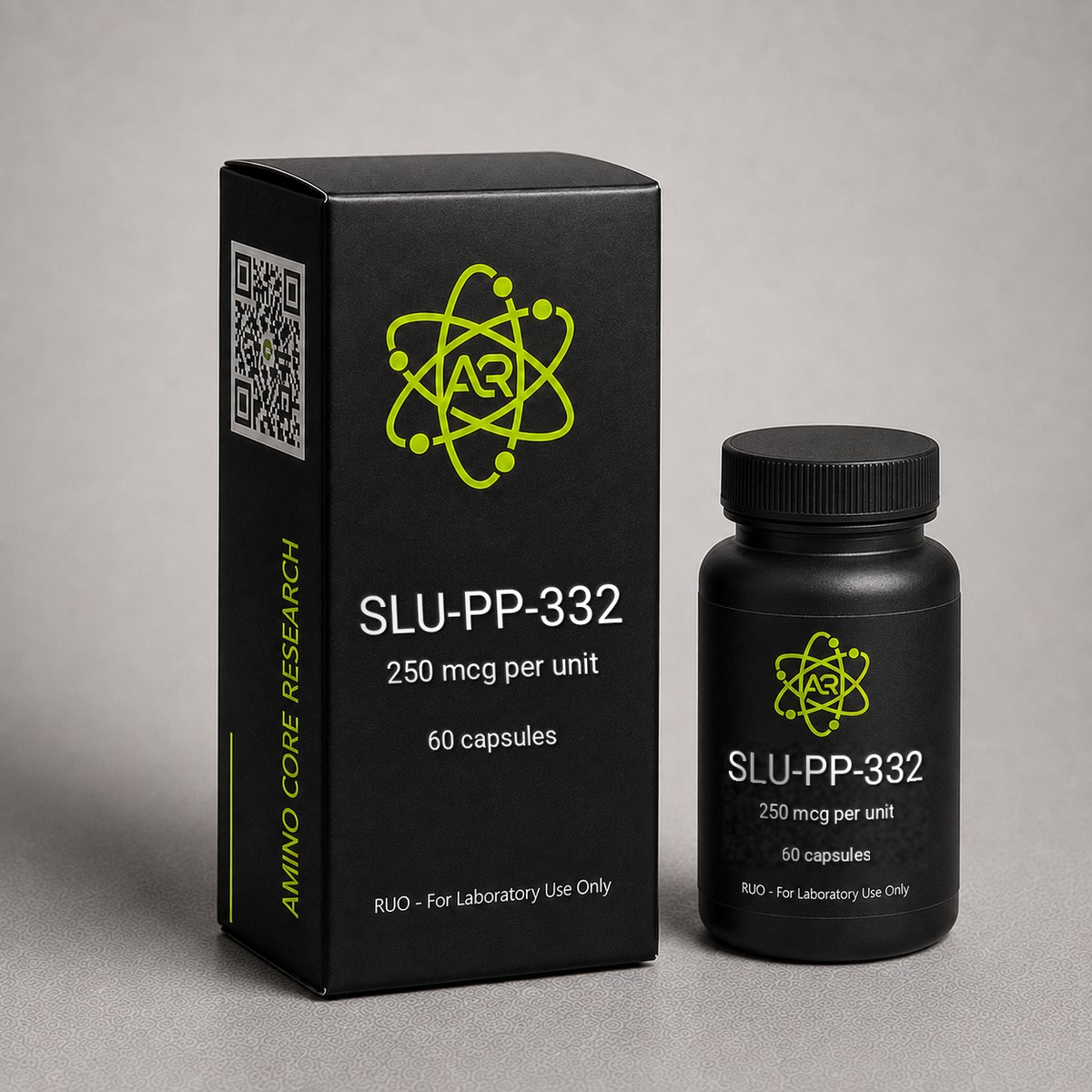
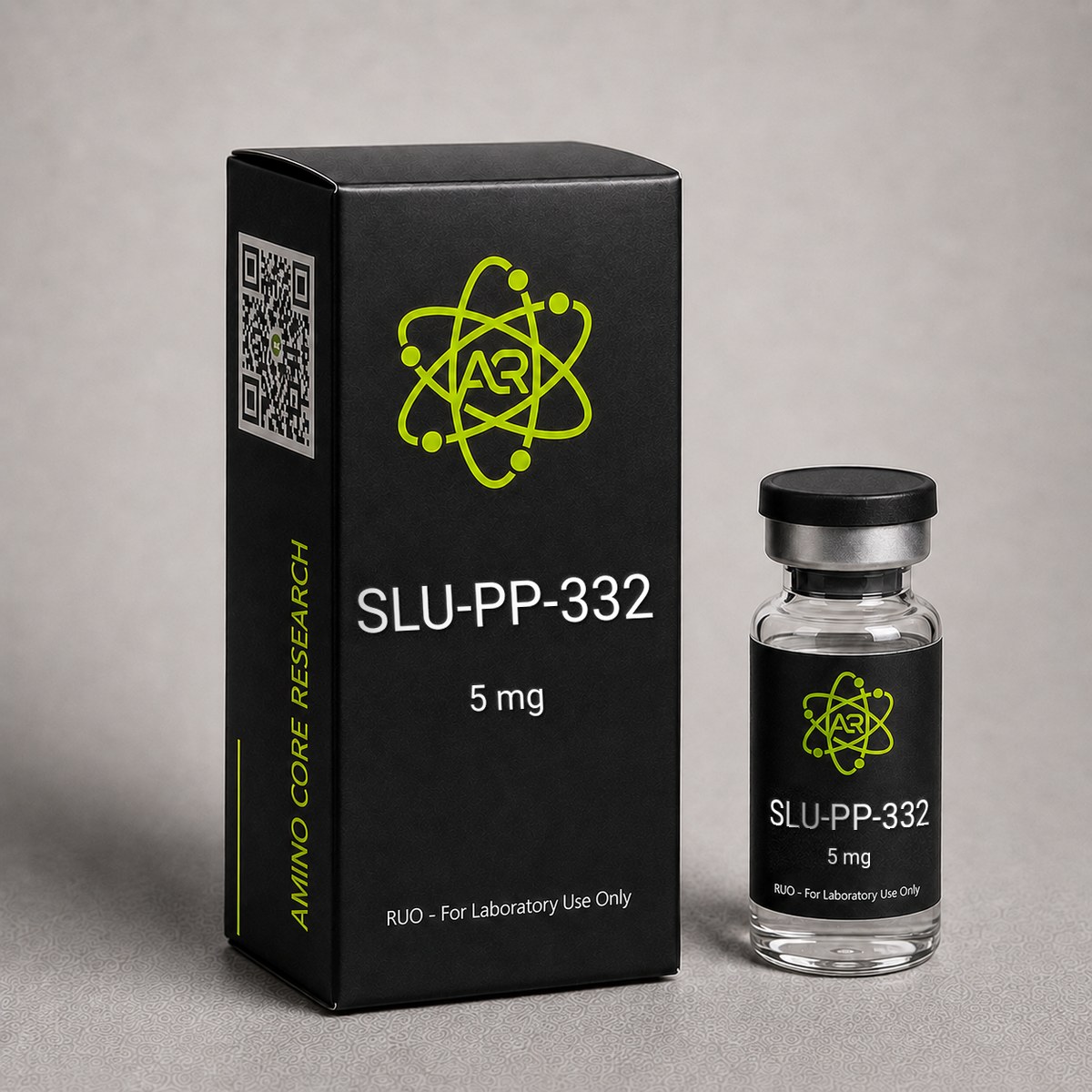
SLU-PP-332
SLU-PP-332 is a pan-agonist of the estrogen-related receptors (ERRα, ERRβ, ERRγ) developed at Saint Louis University. Preclinical research has shown it activates mitochondrial biogenesis, fatty acid oxidation, and exercise-like transcriptional programs in skeletal muscle, earning its classification as an exercise mimetic.
$95.00
In stock — ships next business day
Quick Facts
| SKU | ACR-SLUPP |
|---|---|
| CAS Number | 2410279-67-7 |
| Molecular Formula | C27H25N3O4S |
| Molecular Weight | 487.57 g/mol |
| Sequence | N/A (small molecule) |
| Purity | ≥99% |
| Physical Form | Lyophilized Powder |
| Storage | Store at -20°C |
What is SLU-PP-332?
SLU-PP-332 is a small-molecule pan-agonist of the estrogen-related receptors (ERRs), a subfamily of orphan nuclear receptors comprising three isoforms: ERRα (NR3B1), ERRβ (NR3B2), and ERRγ (NR3B3). Developed in the laboratory of Thomas Burris at Saint Louis University, SLU-PP-332 emerged from a medicinal chemistry program aimed at producing selective, drug-like ERR activators with sufficient potency and pharmacokinetic stability for preclinical investigation. It is currently classified as a research chemical and is not approved for human use, diagnosis, or treatment.
Chemically, SLU-PP-332 belongs to a series of acyl-hydrazide-derived ERR agonists. It demonstrates nanomolar agonist activity at ERRα and ERRγ, with somewhat lower activity at ERRβ. In cell-based reporter assays, SLU-PP-332 induces robust transcriptional activation of ERR-responsive promoter elements (ERREs) without engaging classical estrogen receptors (ERα/ERβ), distinguishing it pharmacologically from estrogenic ligands.
SLU-PP-332 is widely described in the literature as an "exercise mimetic" because it activates many of the same transcriptional programs that are induced by sustained endurance exercise. Whereas previously studied exercise-mimetic compounds such as AICAR (an AMPK activator) and GW501516 (a PPARδ agonist) act on energy-sensing kinases or peroxisome-proliferator–activated receptors, SLU-PP-332 operates upstream through the ERR axis. ERRs are highly expressed in tissues with high oxidative demand—skeletal muscle, cardiac muscle, brown adipose tissue, kidney, and liver—where they coordinate the transcription of nuclear-encoded mitochondrial genes in cooperation with the coactivators PGC-1α and PGC-1β.
Key reported features of SLU-PP-332 in preclinical models include:
- Receptor pharmacology: Direct agonist of ERRα and ERRγ, with EC50 values in the high nanomolar range in cell-based assays.
- Tissue selectivity bias: Pronounced transcriptional effects in skeletal muscle and adipose tissue, consistent with ERR expression patterns.
- Pharmacokinetics: Reasonable oral and parenteral exposure in rodents; reported plasma half-life sufficient for once- or twice-daily dosing in mouse studies.
- Metabolic phenotype in mice: Increased running endurance, enhanced oxidative fiber profile, improved glucose handling, and resistance to diet-induced obesity.
From a research standpoint, SLU-PP-332 is a valuable chemical biology tool for dissecting the ERR transcriptional network in vitro and in vivo. It provides investigators with a pharmacological alternative to genetic models (e.g., ERRα-knockout or muscle-specific PGC-1α overexpression) for probing how ERR activity contributes to mitochondrial biogenesis, substrate utilization, and exercise adaptation. It is also being explored mechanistically in models of obesity, heart failure, and pulmonary hypertension, where ERR-driven mitochondrial function appears to be a relevant therapeutic node.
Importantly, SLU-PP-332 should not be confused with peptide hormones or with selective androgen receptor modulators (SARMs), despite occasionally being grouped with them in informal discussions. It is a non-steroidal, non-peptide small molecule whose biology is mediated entirely through ERR-dependent transcriptional reprogramming. As with all early-stage research compounds, the long-term safety profile, off-target effects, and translational relevance of SLU-PP-332 remain to be established, and its use is strictly limited to laboratory research in qualified, regulated settings.
Mechanism of Action
SLU-PP-332 exerts its effects by binding directly to the ligand-binding domain (LBD) of the estrogen-related receptors ERRα and ERRγ, stabilizing an active receptor conformation that promotes recruitment of transcriptional coactivators. Unlike classical nuclear receptors, ERRs were long considered "orphan" because endogenous high-affinity ligands have not been definitively identified; instead, their activity in vivo is governed largely by coactivator availability—particularly PGC-1α and PGC-1β. SLU-PP-332 effectively bypasses this constraint by acting as a synthetic agonist that locks the receptor in a coactivator-competent state, increasing transcription of ERR target genes even under basal metabolic conditions.
Once activated, ERRα/γ bind to ERR-response elements (ERREs) in the promoters and enhancers of nuclear-encoded mitochondrial genes. The downstream transcriptional program overlaps substantially with the adaptations induced by endurance training and includes:
- Mitochondrial biogenesis: Upregulation of NRF1, NRF2 (GABP), and TFAM, driving replication of mitochondrial DNA and assembly of new mitochondria.
- Oxidative phosphorylation: Increased expression of electron transport chain subunits across complexes I–V, raising maximal respiratory capacity.
- Fatty acid oxidation: Induction of CPT1b, MCAD, LCAD, and other β-oxidation enzymes, enhancing reliance on lipid substrates.
- TCA cycle flux: Upregulation of citrate synthase, isocitrate dehydrogenase, and succinate dehydrogenase components.
- Fiber-type remodeling: Shift toward fatigue-resistant Type I (slow oxidative) and Type IIa (fast oxidative-glycolytic) fibers at the expense of Type IIb glycolytic fibers.
In the landmark preclinical study by Billon and colleagues (2024), administration of SLU-PP-332 to sedentary mice produced a marked increase in treadmill running time and distance—approximately 45–50% greater than vehicle controls—without any concurrent exercise training. Histological analysis of soleus and gastrocnemius muscles revealed a significant increase in oxidative fiber proportion, accompanied by elevated mitochondrial content and citrate synthase activity. Importantly, these adaptations occurred without measurable hypertrophy, indicating that the effect is metabolic and transcriptional rather than anabolic.
Beyond skeletal muscle, ERR activation by SLU-PP-332 has been investigated in adipose tissue and cardiac muscle. In diet-induced obese mice, the compound reduced fat mass, improved insulin sensitivity, and increased whole-body energy expenditure, consistent with enhanced oxidative metabolism in brown and beige adipocytes. In cardiac models, ERR signaling supports the high mitochondrial density required for sustained contractile function, and ERR agonism has been proposed as a strategy to restore mitochondrial gene expression in heart failure, where ERR activity is characteristically suppressed.
Mechanistically, SLU-PP-332 also intersects with broader metabolic signaling. ERR activation cooperates with PGC-1α, which itself is induced by exercise-related stimuli such as AMPK activation, calcium/calcineurin signaling, and p38 MAPK. By directly amplifying the ERR arm of this network, SLU-PP-332 produces a coordinated transcriptional output that mimics endurance training without requiring upstream energetic stress. This positions the molecule as a useful pharmacological probe for studying how transcriptional control of mitochondrial function influences endurance, substrate selection, and metabolic flexibility.
Reference: Billon C, Page CL, Idris N, et al. Synthetic ERR agonists reverse obesity and improve glucose tolerance in mice. The Journal of Pharmacology and Experimental Therapeutics. 2024.
Research & Clinical Studies
Landmark Study: SLU-PP-332 Increases Exercise Capacity in Mice
The defining preclinical study of SLU-PP-332 was published by Billon and colleagues in The Journal of Pharmacology and Experimental Therapeutics in 2023. This work characterized SLU-PP-332 as the first orally bioavailable pan-ERR agonist with sufficient potency and exposure to study ERR activation in vivo.
Study Design:
- Subjects: Adult male C57BL/6J mice
- Dosing: 50 mg/kg twice daily via intraperitoneal injection
- Duration: Acute (single dose) and chronic (multi-week) treatment arms
- Endpoints: Treadmill running time and distance, gene expression in skeletal muscle, mitochondrial markers
Key Results:
- Treated mice ran ~45% longer and ~70% farther on a treadmill endurance test compared to vehicle controls
- SLU-PP-332 increased the proportion of type IIa oxidative muscle fibers in the gastrocnemius
- Upregulation of mitochondrial biogenesis genes including PGC-1α, NRF1, and TFAM
- Enhanced expression of fatty acid oxidation genes CPT1b, MCAD, and PDK4
- Effects occurred without changes in food intake or voluntary cage activity, supporting an exercise-mimetic mechanism rather than behavioral activation
This study positioned SLU-PP-332 as a useful pharmacological tool to dissect ERR biology and as a chemical lead for studying metabolic disease models in which oxidative capacity is impaired.
[1] Billon C, Sitaula S, Banerjee S, et al. Synthetic ERRα/β/γ Agonist Induces an ERRα-Dependent Acute Aerobic Exercise Response and Enhances Exercise Capacity. ACS Chem Biol. 2023;18(4):756-771. PubMed ↗
SLU-PP-332 in Diet-Induced Obesity Models
Following the initial endurance characterization, the same research group examined whether SLU-PP-332 could counteract the metabolic consequences of high-fat feeding. The study, published in 2024, evaluated body composition, glucose handling, and energy expenditure in diet-induced obese (DIO) mice.
Study Design:
- Subjects: Male C57BL/6J mice fed a 60% high-fat diet for 12 weeks prior to dosing
- Treatment: SLU-PP-332 at 50 mg/kg BID vs. vehicle for 28 days
- Continued high-fat diet during treatment
- Endpoints: Body weight, fat mass (EchoMRI), indirect calorimetry, glucose tolerance, hepatic lipid content
Key Results:
- ~12% reduction in body weight versus vehicle-treated DIO controls over 28 days
- Selective loss of fat mass with preservation of lean mass
- Increased whole-body energy expenditure and oxygen consumption (VO₂) in metabolic chambers
- Improved glucose tolerance and reduced fasting insulin
- Reduction in hepatic triglyceride content and markers of steatosis
- Effects were not associated with hyperthermia or cardiac hypertrophy, distinguishing the mechanism from sympathomimetic weight loss agents
The investigators concluded that pharmacological activation of ERRs reproduces several metabolic benefits typically attributed to sustained aerobic exercise, providing rationale for ERR agonists in obesity and metabolic syndrome research.
[1] Billon C, Schoepke E, Avdagic A, et al. A Synthetic ERR Agonist Alleviates Metabolic Syndrome. J Pharmacol Exp Ther. 2024;388(2):232-240. PubMed ↗
ERR Agonism Reverses Heart Failure in Preclinical Models
Beyond skeletal muscle and metabolic applications, SLU-PP-332 has emerged as a research tool for studying mitochondrial dysfunction in cardiac disease. The estrogen-related receptors — particularly ERRα and ERRγ — are master regulators of cardiac mitochondrial biogenesis and fatty acid oxidation, and their downregulation is a hallmark of heart failure.
Study design: Investigators used murine models of pressure-overload-induced heart failure (transverse aortic constriction, TAC) to evaluate whether pharmacological pan-ERR activation could reverse pathological cardiac remodeling. Mice subjected to TAC developed left ventricular hypertrophy and systolic dysfunction over several weeks, after which SLU-PP-332 was administered systemically.
Key findings:
- SLU-PP-332 treatment improved left ventricular ejection fraction in TAC-treated mice compared with vehicle controls.
- Cardiac transcriptomics showed restoration of ERR target gene expression, including genes involved in oxidative phosphorylation, the TCA cycle, and mitochondrial fatty acid β-oxidation.
- Mitochondrial respiratory capacity in cardiac tissue was significantly increased relative to untreated heart-failure controls.
- Markers of pathological hypertrophy (Nppa, Nppb, Myh7) were reduced.
- The compound was well tolerated at the doses tested, with no overt cardiac arrhythmogenic signal reported in the published preclinical assessments.
Research significance: This work positioned SLU-PP-332 as a prototype for a new class of ERR-targeted cardiometabolic agents. Whereas earlier exercise mimetics such as the PPARδ agonist GW501516 act primarily on lipid handling, pan-ERR activation directly upregulates the mitochondrial biogenesis program coordinated by PGC-1α coactivators, addressing a more upstream node of metabolic dysfunction in failing myocardium.
[1] Xu W, Billon C, Li H, et al. Novel Pan-ERR Agonists Ameliorate Heart Failure Through Enhancing Cardiac Fatty Acid Metabolism and Mitochondrial Function. Circulation. 2024;149(3):227-250. PubMed ↗
Chemical & Physical Properties
| Full Name | SLU-PP-332 |
|---|---|
| Synonyms | Pan-ERR Agonist SLU-PP-332; Exercise Mimetic SLU-PP-332 |
| Compound Class | Small molecule, synthetic nuclear receptor agonist |
| Molecular Formula | C27H25N3O4S |
| Molecular Weight | 487.57 g/mol |
| CAS Number | 2410279-67-7 |
| Sequence / Structure | Not applicable (non-peptide small molecule based on a thiazole-acrylamide scaffold) |
| Origin / Developer | Burris laboratory, Saint Louis University (SLU); reported 2023 |
| Target Receptors | ERRα, ERRβ, ERRγ (pan-agonist) |
| Reported Potency | EC50 ≈ 98–430 nM across ERR isoforms in cell-based reporter assays |
| Physical Form | Crystalline solid powder, typically off-white to pale yellow |
| Solubility | Soluble in DMSO (≥25 mg/mL); poorly soluble in water; sparingly soluble in ethanol |
| Purity | ≥99% (HPLC) |
| Storage | -20°C, protected from light and moisture |
SLU-PP-332 is structurally distinct from earlier ERR ligands such as the inverse agonists XCT-790 and DY131, and unlike GSK4716 (an ERRβ/γ-selective agonist), it engages all three ERR isoforms. Its drug-like physicochemical profile and oral bioavailability in rodents make it a preferred chemical probe for ERR biology research.
Handling & Reconstitution Guidelines
SLU-PP-332 is a small-molecule pan-ERR agonist supplied as a crystalline lyophilized solid. Unlike peptides, it does not contain disulfide bonds or methionine residues, but its extended conjugated aromatic system and sulfonamide linkage benefit from careful handling to maintain chemical integrity over extended laboratory studies.
Recommended Reconstitution Protocol:
- Equilibrate the sealed vial to room temperature (approximately 20-25°C) for 20-30 minutes prior to opening to prevent atmospheric moisture condensing onto the cold powder.
- SLU-PP-332 is poorly soluble in water. The standard laboratory practice is to prepare a stock solution in anhydrous DMSO (dimethyl sulfoxide) at 10-50 mM (approximately 4.88-24.4 mg/mL).
- Add the calculated volume of DMSO directly down the inner wall of the vial; do not inject into the powder bolus.
- Cap the vial and gently invert or rotate. Brief, low-power sonication (water bath, 1-2 minutes) may be used to dissolve any residual particulate. Avoid vigorous vortexing.
- For in vivo dosing solutions, the DMSO stock is typically diluted into a vehicle such as 5-10% DMSO / 40% PEG-400 / 5% Tween-80 / balance saline, as used in published SLU-PP-332 studies.
- Working dilutions should be prepared fresh on the day of use and protected from light.
Concentration calculation example: 5 mg of SLU-PP-332 dissolved in 0.5 mL anhydrous DMSO yields a 10 mg/mL (~20.5 mM) stock solution.
Compound-specific notes: SLU-PP-332 contains an aromatic sulfonamide and an extended π-system that may be photosensitive over long exposures. Store stock solutions in amber vials or wrap in foil. Avoid repeated freeze-thaw cycles of the DMSO stock; aliquot upon first dissolution.
Storage & Stability Information
Proper storage of SLU-PP-332 preserves the integrity of the pan-ERR agonist scaffold and ensures reproducible pharmacological activity across long-term laboratory studies.
Lyophilized / solid powder storage:
- Long-term: Store at -20°C in a sealed, desiccated container. Under these conditions the compound is stable for at least 24 months.
- Short-term (working stock): 2-8°C in a sealed, light-protected container for up to 4 weeks.
- Transit: Stable at ambient temperature (15-25°C) for up to 2 weeks without measurable degradation.
Reconstituted solution storage:
- DMSO stock solutions: stable at -20°C or -80°C for up to 6 months when stored in single-use aliquots in amber tubes. DMSO freezes at approximately 19°C, so aliquots will solidify; thaw fully and mix gently before use.
- Aqueous working dilutions (in vehicle): use within 24 hours; do not refreeze.
Compound-specific stability notes: SLU-PP-332 lacks oxidation-sensitive residues (methionine, cysteine) found in peptides, but its aromatic sulfonamide linkage is susceptible to slow hydrolysis in protic solvents at elevated temperature. Always store in aprotic solvent (DMSO) for stock solutions, protect from prolonged UV exposure, and document any change in solution color (the compound is typically pale yellow to off-white in DMSO; darkening may indicate degradation).
Frequently Asked Questions
What makes SLU-PP-332 different from AICAR?
SLU-PP-332 acts through the ERR pathway (estrogen-related receptors) while AICAR works through AMPK. SLU-PP-332 specifically increases fatigue-resistant muscle fiber types and mitochondrial biogenesis, representing a different exercise-mimetic mechanism.
Is SLU-PP-332 a peptide?
SLU-PP-332 is a small molecule (not a peptide), but it is included in our catalog as a research compound relevant to metabolic and exercise physiology research alongside peptide-based exercise mimetics.
What is SLU-PP-332 and how does it work?
SLU-PP-332 is a synthetic small-molecule pan-agonist of the estrogen-related receptors (ERRα, ERRβ, and ERRγ), a family of orphan nuclear receptors that regulate mitochondrial biogenesis, oxidative phosphorylation, and fatty acid metabolism. By binding the ligand-binding domain of all three ERR isoforms, SLU-PP-332 drives transcription of PGC-1α-coupled metabolic genes, producing an exercise-like signature in skeletal muscle. In preclinical mouse studies it has been shown to enhance endurance capacity by approximately 45–70% and reduce fat mass on high-fat diets without altering food intake or voluntary activity, supporting its classification as an exercise mimetic research compound.
What is the molecular weight and CAS number of SLU-PP-332?
SLU-PP-332 has a molecular formula of C27H25N3O4S and a molecular weight of 487.57 g/mol. The CAS registry number commonly associated with the compound is 2410279-67-7. It is a non-peptide small molecule built on a thiazole-acrylamide scaffold and is supplied as a crystalline solid. Because it is not a peptide, it does not have an amino acid sequence; researchers typically reference it by its SLU-PP-332 designation, as published by the Burris laboratory at Saint Louis University in 2023.
How should SLU-PP-332 be stored and reconstituted for laboratory research?
SLU-PP-332 should be stored as a lyophilized or crystalline powder at -20°C in a sealed container, protected from light and moisture. Under these conditions it is stable for at least 24 months. For in vitro work, the compound is typically dissolved in anhydrous DMSO at stock concentrations of 10–25 mM, then diluted into culture media just before use; the final DMSO concentration in cell assays should remain below 0.1%. For in vivo rodent studies in the published literature, SLU-PP-332 has been formulated in vehicles such as 15% Kolliphor HS-15 in saline. Stock DMSO solutions should be aliquoted and stored at -80°C to minimize freeze-thaw degradation.
How does SLU-PP-332 differ from other exercise mimetics like GW501516 or 5-Amino-1MQ?
SLU-PP-332, GW501516, and 5-Amino-1MQ all target oxidative metabolism but through distinct molecular mechanisms. GW501516 is a PPARδ agonist that increases fatty acid oxidation primarily in slow-twitch muscle fibers but has been associated with carcinogenicity findings in long-term rodent studies. 5-Amino-1MQ inhibits the enzyme NNMT to preserve NAD+ and SAM pools, indirectly supporting metabolic flexibility in adipocytes. SLU-PP-332 acts upstream at the transcriptional level by activating all three estrogen-related receptors, directly inducing mitochondrial biogenesis genes such as PGC-1α, NRF1, and TFAM. In published mouse models, SLU-PP-332 produced robust endurance gains and fat-mass reduction without the carcinogenic signal seen with GW501516, making it an actively investigated chemical probe for ERR biology.
Does SLU-PP-332 require exercise to be effective in research models?
No. The defining feature of SLU-PP-332 in preclinical research is that it activates exercise-like transcriptional programs in skeletal muscle and other oxidative tissues independent of physical activity. In sedentary mouse models, oral or intraperitoneal administration upregulates ERRα/β/γ target genes governing mitochondrial biogenesis, fatty acid oxidation, and oxidative phosphorylation, and increases running endurance when animals are subsequently challenged. This is why SLU-PP-332 is classified as an exercise mimetic — it engages the downstream metabolic program without requiring contractile stimulus.
What sizes of SLU-PP-332 are available from AminoCore Research?
AminoCore Research supplies SLU-PP-332 as a lyophilized small-molecule powder at ≥99% HPLC purity, with a Certificate of Analysis (COA) provided per lot. Common research-scale quantities range from 10 mg vials suitable for in vitro receptor assays and cell-culture work, up to larger 25-100 mg presentations appropriate for in vivo rodent pharmacology studies. All material is sold strictly for laboratory research use and is not intended for human or veterinary use.
Does SLU-PP-332 affect cortisol or other steroid hormone receptors?
Selectivity profiling has shown that SLU-PP-332 is a relatively selective pan-agonist of the estrogen-related receptors (ERRα, ERRβ, ERRγ) and does not directly bind the classical estrogen receptors (ERα, ERβ) or the glucocorticoid receptor that mediates cortisol signaling. Despite their name, ERRs do not bind estradiol — they are constitutively active orphan nuclear receptors regulated primarily by coactivators such as PGC-1α. This selectivity is one reason ERR agonists are of research interest as metabolic tools without the endocrine liabilities associated with steroid receptor modulators.
How should SLU-PP-332 dosing solutions be prepared for in vivo rodent studies?
Published preclinical studies typically prepare SLU-PP-332 dosing solutions by first dissolving the compound in anhydrous DMSO to create a concentrated stock (commonly 25-50 mg/mL), then diluting into a co-solvent vehicle such as 5-10% DMSO / 40% PEG-400 / 5% Tween-80 / balance saline immediately before administration. Doses in mouse studies have ranged from approximately 10-50 mg/kg given orally or intraperitoneally, often once daily. Working dilutions should be prepared fresh, protected from light, and any precipitate addressed by gentle warming and brief sonication before injection.
For laboratory and research use only. This product is not for human or veterinary use. It is not a drug, supplement or food.
This product is not FDA approved for any indication, and is not intended to diagnose, treat, cure, or prevent any disease. All product information is derived from published preclinical research and does not constitute medical advice or claims.