


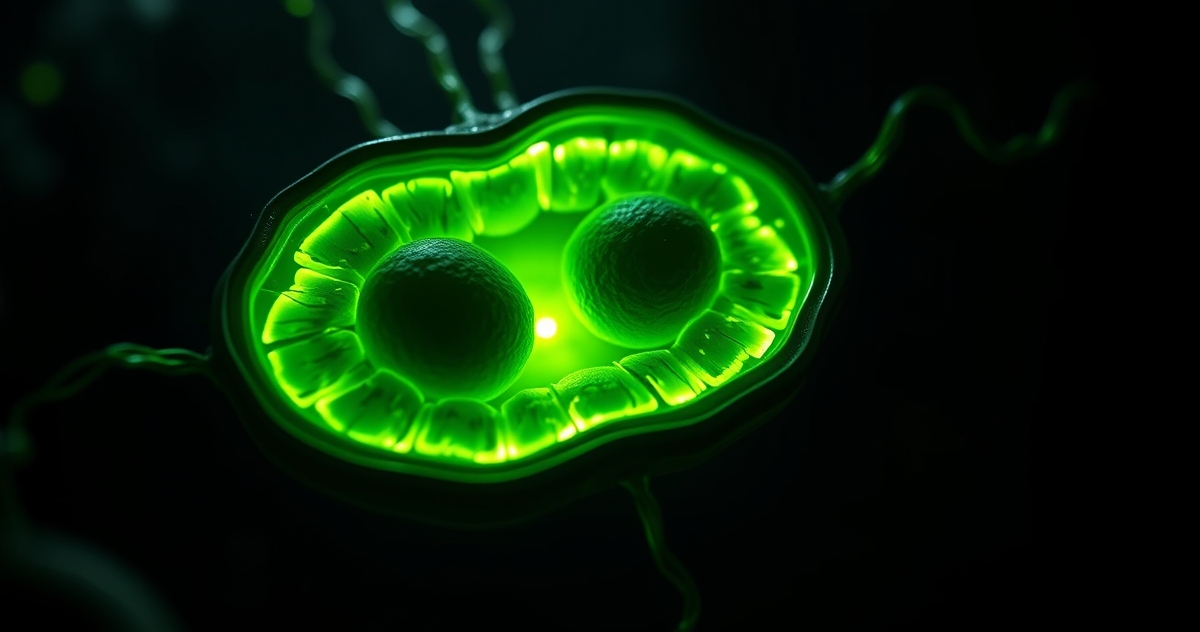
Introduction to NAD+ and Cellular Energy Metabolism
Nicotinamide adenine dinucleotide (NAD+) serves as a fundamental coenzyme in cellular energy metabolism, participating in hundreds of enzymatic reactions that maintain cellular function. Research has demonstrated that NAD+ levels decline with age, leading to increased scientific interest in strategies to support cellular NAD+ availability1.
NAD+ precursor peptides have emerged as a research tool that appears to offer distinct advantages over direct NAD+ supplementation in laboratory settings. These peptides are designed for research purposes only and represent an innovative approach to studying cellular energy pathways.
The Role of NAD+ in Cellular Function
Metabolic Pathways
NAD+ functions as a critical cofactor in multiple metabolic processes, including glycolysis, the citric acid cycle, and oxidative phosphorylation. Research suggests that NAD+ availability directly influences cellular energy production capacity2.
The molecule also serves as a substrate for several enzyme families, including sirtuins, poly(ADP-ribose) polymerases (PARPs), and CD38, which regulate various cellular processes from DNA repair to circadian rhythm maintenance3.
Age-Related Decline
Studies have consistently shown that NAD+ levels decrease with age across multiple tissue types. This decline has been associated with reduced mitochondrial function, altered gene expression patterns, and compromised cellular repair mechanisms in research models4.
NAD+ Precursor Peptides vs. Direct Supplementation
Bioavailability Considerations
Research indicates that direct NAD+ supplementation faces significant bioavailability challenges due to the molecule's inability to efficiently cross cellular membranes. NAD+ precursor peptides have been designed to potentially overcome these limitations through targeted delivery mechanisms5.
Precursor peptides may offer enhanced stability and cellular uptake compared to NAD+ itself, making them valuable research tools for investigating cellular energy metabolism in laboratory settings.
Mechanistic Advantages
Unlike direct NAD+ supplementation, precursor peptides appear to work through endogenous biosynthetic pathways, potentially providing more physiologically relevant increases in cellular NAD+ levels. This approach may better mimic natural NAD+ production processes6.
Research Applications in Aging Studies
Cellular Senescence Research
NAD+ precursor peptides have shown promise in research models of cellular senescence, where they appear to support cellular function and metabolic activity. These applications are particularly relevant for studying age-related cellular changes in controlled laboratory environments.
Research has suggested that maintaining NAD+ levels through precursor supplementation may influence cellular aging markers, though these findings require further investigation in research settings7.
Metabolic Research Applications
In metabolic research, these peptides serve as tools for investigating:
- Mitochondrial function and biogenesis
- Sirtuin pathway activation
- Circadian rhythm regulation
- DNA repair mechanisms
- Cellular stress responses
Each application offers unique insights into cellular energy metabolism and aging processes when studied under controlled research conditions.
Mechanisms of Action
Cellular Uptake Pathways
Research suggests that NAD+ precursor peptides may utilize specific transport mechanisms to enter cells more efficiently than NAD+ itself. These mechanisms appear to involve peptide transporters and endocytic pathways that facilitate cellular internalization.
Once inside cells, the peptides undergo processing to release NAD+ precursors that enter endogenous biosynthetic pathways, potentially leading to sustained increases in cellular NAD+ levels.
Enzymatic Processing
The conversion of precursor peptides to active NAD+ appears to involve multiple enzymatic steps, including peptide cleavage and subsequent processing through salvage pathways. This multi-step process may contribute to the sustained effects observed in research applications.
Current Research Limitations and Considerations
Research Stage Development
It's important to note that NAD+ precursor peptides remain in the research stage, with most studies conducted in cell culture and animal models. Human applications have not been established, and these compounds are intended for research purposes only.
The long-term effects and optimal dosing protocols for research applications continue to be investigated, requiring careful consideration of experimental design and controls.
Methodological Considerations
Research with NAD+ precursor peptides requires attention to:
- Proper storage and handling protocols
- Appropriate control groups
- Validated analytical methods for NAD+ measurement
- Consideration of cell type-specific responses
For researchers interested in peptide handling and storage, our guide on peptide stability research provides essential protocols.
Future Research Directions
Optimization Studies
Ongoing research focuses on optimizing peptide design, delivery methods, and formulation strategies to enhance research utility. These efforts aim to improve the reliability and reproducibility of NAD+ precursor peptide studies.
Future investigations may also explore combination approaches with other research compounds to better understand cellular energy metabolism pathways.
Mechanistic Understanding
Continued research is needed to fully elucidate the mechanisms by which NAD+ precursor peptides influence cellular function. This includes understanding tissue-specific responses and identifying optimal experimental conditions for different research applications.
Advanced analytical techniques and improved research protocols will likely contribute to a more comprehensive understanding of these research tools in cellular energy studies.
Preclinical Research Studies: Documented Findings in Model Systems
A growing body of preclinical literature has examined NAD+ precursor compounds—including nicotinamide riboside (NR), nicotinamide mononucleotide (NMN), and peptide-conjugated derivatives—across diverse model systems. The table below summarizes key studies that have informed current understanding of NAD+ precursor pharmacology in research contexts. These findings are derived from in vitro and animal models and have not been extrapolated to human applications.
| Study / Year | Model System | Compound / Dose | Key Finding | PMID |
|---|---|---|---|---|
| Yoshino et al., 2011 | C57BL/6J mouse (diet-induced obesity) | NMN, 500 mg/kg/day (i.p.) | Restored hepatic NAD+ levels; improved insulin sensitivity and mitochondrial O2 consumption in skeletal muscle | 22019205 |
| Cantó et al., 2012 | C57BL/6J mouse; primary myotubes | NR, 400 mg/kg/day (oral gavage) | Elevated muscle NAD+ ~1.5-fold; activated SIRT1/SIRT3, enhanced oxidative metabolism, reduced weight gain on HFD | 22901801 |
| Mills et al., 2016 | Aged C57BL/6J mouse (12–24 mo) | NMN, 300 mg/kg/day (oral) | Suppressed age-associated body weight gain; enhanced energy metabolism; improved insulin sensitivity and eye function; no apparent toxicity over 12 months | 27610057 |
| Trammell et al., 2016 | C57BL/6J mouse; human primary hepatocytes | NR, 300 mg/kg (single oral dose) | Demonstrated NR bioavailability via salvage pathway; quantified NAD+ metabolome by LC-MS; confirmed hepatic preference for NR uptake over NMN | 27477936 |
| Guan et al., 2017 | Murine oocyte aging model | NMN, 500 mg/kg/day (oral) | Restored oocyte quality and mitochondrial function in aged mice; reduced spindle assembly defects associated with age-related NAD+ decline | 28898172 |
Collectively, these data suggest that NAD+ precursor compounds—when delivered via optimized formulations—appear to meaningfully influence NAD+ metabolome dynamics in preclinical models.[8] Peptide-conjugated analogs are hypothesized to further refine tissue targeting relative to free NR or NMN, though direct comparative pharmacokinetic data for peptide-conjugated derivatives in these model systems remain limited and represent an active area of investigation.[9] Researchers should note that interspecies differences in NAD+ biosynthetic enzyme expression (e.g., NAMPT activity varies ~3-fold between murine and human tissues) complicate direct translation of dosing parameters.[10]
Comparative Analysis: NAD+ Precursor Peptides vs. Small-Molecule Precursors
Understanding the relative research utility of peptide-conjugated NAD+ precursors versus conventional small-molecule precursors (NR, NMN, nicotinamide/Nam, tryptophan-derived de novo pathway substrates) is essential for rigorous experimental design. Each compound class exhibits distinct pharmacokinetic properties, enzymatic processing requirements, and tissue distribution profiles that influence their suitability for specific research applications.[11]
The comparative framework below addresses four primary research-relevant dimensions:
| Parameter | NAD+ Precursor Peptides | Nicotinamide Riboside (NR) | Nicotinamide Mononucleotide (NMN) | Nicotinamide (Nam) |
|---|---|---|---|---|
| Primary uptake route | Peptide transporters (PepT1/PepT2); endocytosis | ENT1/ENT2 nucleoside transporters | Slc12a8 (intestinal); dephosphorylation to NR peripherally | Passive diffusion; monocarboxylate transporters |
| Enzymatic processing steps | Peptidase cleavage → precursor release → salvage pathway | NRK1/2 phosphorylation → NMN → NAD+ | NMNAT1/2/3 adenylylation → NAD+ | NAMPT (rate-limiting) → NMN → NAD+ |
| Tissue selectivity (preclinical) | Potentially tunable via peptide sequence design | Hepatic preference; moderate muscle uptake | Intestinal, hepatic; CNS penetration reported | Broad; limited by NAMPT saturation |
| Stability (aqueous, 25°C) | Variable; generally higher than free nucleotides | Moderate; hygroscopic; pH-sensitive | Low; degrades rapidly above pH 7 | High; chemically stable |
| Off-target considerations | Peptide fragment bioactivity requires characterization | NNMT-mediated methylation flux; Nam accumulation | Downstream Nam release at high doses | PARP inhibition at supraphysiological concentrations |
A critical consideration for researchers is the rate-limiting enzymatic step in each pathway. For nicotinamide-based precursors, NAMPT represents a saturable bottleneck whose expression is itself NAD+-dependent, creating a potential feedback ceiling on NAD+ repletion efficiency.[12] NR bypasses this constraint via NRK1/2, while peptide-conjugated precursors are hypothesized to engage salvage machinery at a post-NAMPT node depending on the released moiety—a distinction with significant implications for experimental models employing NAMPT inhibitors (e.g., FK866) as mechanistic controls.[13] Researchers selecting between these compound classes should consider the specific enzymatic pathway under investigation, as pathway-selective tools will yield more mechanistically interpretable results in NAD+ biology studies.
Sirtuin Pathway Interactions and NAD+-Dependent Signaling Cascades
NAD+ precursor peptides exert their downstream research-relevant effects primarily through replenishment of the NAD+ pool available to Class III histone deacetylases (sirtuins, SIRT1–7) and poly(ADP-ribose) polymerases (PARPs). Understanding these signaling cascades at a molecular level is essential for designing experiments that distinguish NAD+ pool effects from direct enzymatic interactions.[14]
SIRT1, the most extensively characterized mammalian sirtuin, requires NAD+ stoichiometrically as a co-substrate (Km for NAD+ ≈ 88–160 µM, depending on peptide substrate context), consuming one NAD+ molecule per deacetylation event to generate nicotinamide (an endogenous SIRT1 inhibitor), 2′-O-acetyl-ADP-ribose, and the deacetylated protein target.[15] This reaction directly links cellular NAD+ availability to the acetylation status of critical regulatory proteins including PGC-1α (mitochondrial biogenesis), FOXO3a (stress resistance transcription), and p53 (DNA damage response). In research models where NAD+ precursor peptides have been applied, downstream readouts of SIRT1 activity—including reduced PGC-1α acetylation and increased mitochondrial gene expression—have been observed, consistent with elevated nuclear/cytoplasmic NAD+ availability.[16]
SIRT3, the primary mitochondrial sirtuin, operates on a distinct NAD+ pool compartmentalized within the mitochondrial matrix. Research suggests that NAD+ precursor bioavailability to mitochondria may differ substantially from cytoplasmic repletion, as the inner mitochondrial membrane is impermeable to NAD+ and relies on de novo synthesis from NMN via NMNAT3, or on malate-aspartate shuttle-mediated redox equivalents rather than direct NAD+ import.[8] This compartmentalization has direct implications for experimental design: researchers investigating SIRT3-dependent endpoints (e.g., SOD2 deacetylation, ATP synthase activity) should employ mitochondria-targeted analytical approaches and should not assume that cytoplasmic NAD+ repletion uniformly translates to mitochondrial NAD+ elevation.[14]
The PARP family, particularly PARP1, competes with sirtuins for available NAD+ under genotoxic stress conditions. PARP1 activation can consume NAD+ at rates orders of magnitude exceeding basal sirtuin flux, potentially depleting the NAD+ pool and creating a competitive antagonism between DNA repair and metabolic regulation pathways. In preclinical aging models, this PARP1/sirtuin competition has been proposed as a mechanistic contributor to age-related NAD+ decline,[9] and NAD+ precursor peptides that sustain NAD+ availability may allow simultaneous support of both enzymatic systems—a hypothesis that remains under active investigation in cell-free and cellular research systems.[10]
Conclusion
NAD+ precursor peptides represent a promising research tool for investigating cellular energy metabolism and aging processes. While these compounds show potential advantages over direct NAD+ supplementation in research settings, they remain experimental tools requiring careful study design and appropriate controls.
As research continues to advance our understanding of NAD+ biology and precursor peptide mechanisms, these tools may provide valuable insights into cellular energy metabolism and age-related changes. However, all applications remain strictly limited to research purposes, with continued investigation needed to fully understand their mechanisms and optimal use in laboratory settings.
For researchers working with similar compounds, our comprehensive guides on peptide research equipment and custom peptide synthesis provide additional resources for experimental design and implementation.