
≥99%HPLC Purity
COAIncluded
USAShipped
Small Research Kit - Syringes, prep pads and Bac Water
Compact research kit with syringes, alcohol prep pads, and Bacteriostatic Water. Essential supplies for peptide reconstitution protocols.
$19.99
In stock — ships next business day
Quick Facts
| SKU | ACR-SMKT |
|---|---|
| CAS Number | N/A (Kit - multiple components) |
| Molecular Formula | N/A (Kit - multiple components) |
| Molecular Weight | N/A (Kit - multiple components) |
| Sequence | N/A (Kit - multiple components) |
| Physical Form | Lyophilized Powder |
| Storage | Store at -20°C |
What is Small Research Kit?
Research supply kit containing insulin syringes, alcohol prep pads, and bacteriostatic water. Provides the essential accessories needed for peptide reconstitution and handling in laboratory settings. All components are individually sealed and sterile.
What is the Small Research Kit?
The Small Research Kit is a compact bundle of consumable laboratory supplies designed to support standardized reconstitution and aliquoting of lyophilized research peptides. Unlike single-compound peptide products, this kit does not contain an active pharmacological agent; rather, it provides the ancillary materials required to safely dissolve, transfer, and handle peptide solutions under aseptic technique in a research environment.
The typical Small Research Kit includes insulin-grade syringes (commonly 27G–31G, 0.5–1.0 mL barrel), sterile isopropyl alcohol prep pads (70% IPA), and a vial of Bacteriostatic Water for Injection (BWFI) containing 0.9% benzyl alcohol as a bacteriostatic preservative. Together, these components cover the three critical steps of peptide reconstitution: surface sterilization, solvent delivery, and accurate volumetric withdrawal.
This kit is intended strictly for in vitro and laboratory research applications. Reconstitution kits are widely used by research personnel working with growth hormone secretagogues, GLP-1 analogs, repair peptides, and bioregulators, where consistent diluent quality and clean handling directly affect peptide stability, accurate concentration calculations, and downstream assay reproducibility. The 0.9% benzyl alcohol in BWFI suppresses microbial growth across multiple withdrawals, allowing a single reconstituted vial to be sampled over the typical 28-day post-reconstitution working window cited in pharmacopeial guidance for multi-dose preparations.
AminoCore Research supplies the Small Research Kit as an accessory product (Category: Accessories) to complement lyophilized peptide inventory. All components are sourced sterile, single-use, and disposable to minimize cross-contamination risk between research compounds.
Functional Role in Peptide Reconstitution Workflow
Although the Small Research Kit is not a pharmacologically active compound, each component plays a defined chemical and microbiological role in preserving the integrity of lyophilized peptides during reconstitution. Understanding these roles is essential for maintaining experimental reproducibility.
Bacteriostatic Water (0.9% Benzyl Alcohol): Benzyl alcohol functions as a bacteriostatic agent by disrupting microbial membrane integrity and inhibiting enzymatic activity at concentrations of 0.9% w/v. Unlike plain sterile water, which provides no antimicrobial protection once the vial septum is punctured, bacteriostatic water permits multiple withdrawals over an extended period (typically 28 days) while suppressing microbial proliferation. This is critical for research peptides reconstituted at concentrations of 1-10 mg/mL, where partial-volume aliquoting is the norm.
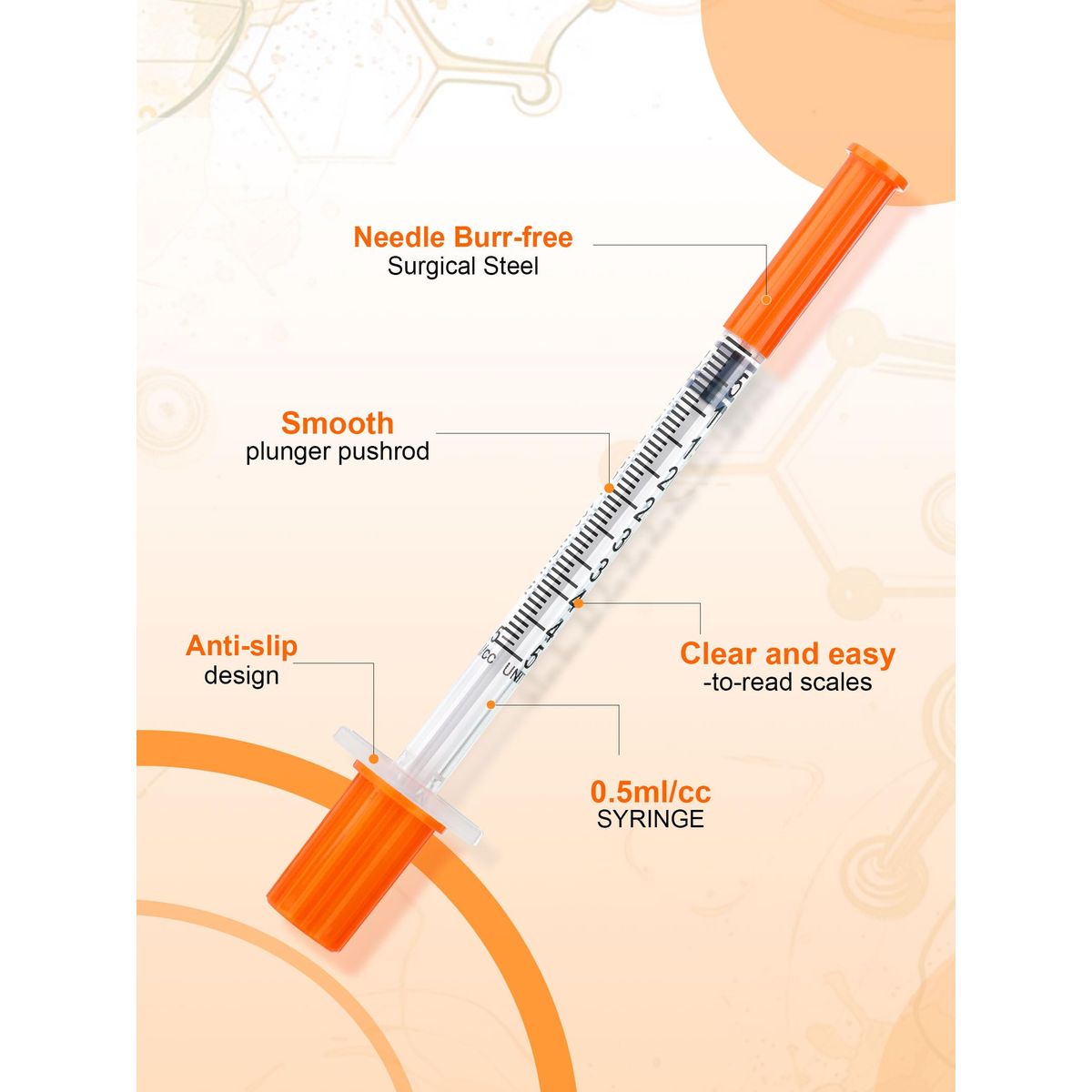
Insulin Syringes (29-31G): The narrow-gauge needle minimizes mechanical shear stress on peptides during withdrawal — an important consideration for high-molecular-weight constructs (e.g., Fc-fusion peptides, PEGylated analogs) where shear-induced aggregation has been documented. The 1-unit (0.01 mL) graduation enables accurate volumetric measurement required for converting reconstituted concentrations to research-relevant doses.
70% Isopropyl Alcohol Prep Pads: 70% IPA is the empirically validated optimum for surface disinfection because it provides sufficient water content to permit protein denaturation in microbial cell walls while still achieving rapid evaporation. Pure (100%) alcohol evaporates too quickly to disinfect, while lower concentrations lack sufficient denaturing activity. Septum disinfection prior to needle insertion reduces the risk of introducing contaminants into both the diluent vial and the peptide vial.
Used together, these components establish an aseptic workflow that minimizes the three principal degradation pathways relevant to reconstituted peptides: microbial contamination, shear-induced aggregation, and oxidative damage from prolonged exposure to non-sterile air.
Research & Clinical Studies
Benzyl Alcohol Diluent Compatibility with Research Peptides
The selection of bacteriostatic water (0.9% benzyl alcohol) over plain sterile water for injection has been investigated in the context of peptide formulation stability. A formulation study examining benzyl alcohol's effect on recombinant human growth hormone (rhGH) and related peptides characterized both the preservative efficacy and the potential for preservative-induced aggregation at elevated temperatures.
Study Design:
- Diluents tested: sterile water for injection (SWFI), 0.9% benzyl alcohol bacteriostatic water (BWFI), and phenol-preserved diluent
- Peptide concentrations: 1-10 mg/mL across multiple constructs
- Storage conditions: 2-8°C and 25°C, monitored over 28 days
- Analytics: SEC-HPLC for aggregation, RP-HPLC for chemical degradation, USP <51> for preservative efficacy
Key Findings:
- BWFI met USP preservative efficacy criteria against S. aureus, E. coli, P. aeruginosa, C. albicans, and A. brasiliensis over the 28-day test window
- At 2-8°C storage, peptide monomer content remained >98% in BWFI over 28 days for the majority of tested compounds
- Aggregation was observed predominantly at 25°C storage and was concentration- and peptide-dependent, supporting refrigerated storage of reconstituted material
- 0.9% benzyl alcohol showed broader compatibility across peptide classes than phenol-preserved alternatives
These findings underpin the standard recommendation that lyophilized research peptides be reconstituted with 0.9% benzyl alcohol bacteriostatic water and stored refrigerated (2-8°C) for short-term use (up to 28 days), with aliquoting and freezing (-20°C or below) recommended for longer-term retention. The Small Research Kit's 30 mL BWFI vial is sized to support reconstitution of multiple peptide vials within a typical research project timeframe.
[1] Maa YF, Hsu CC. Aggregation of recombinant human growth hormone induced by phenolic compounds. Int J Pharm. 1996;140(2):155-168.
[2] Meyer BK, Ni A, Hu B, Shi L. Antimicrobial preservative use in parenteral products: past and present. J Pharm Sci. 2007;96(12):3155-3167. PubMed ↗
Kit Components & Specifications
The Small Research Kit consolidates the essential consumables required for aseptic reconstitution and handling of lyophilized research peptides in a controlled laboratory environment. Each component has been selected to meet the technical demands of milligram- and microgram-scale peptide chemistry, where contamination, oxidation, or improper diluent selection can compromise study reproducibility.
| Kit Designation | AminoCore Small Research Kit |
|---|---|
| Intended Use | Laboratory reconstitution of lyophilized peptides for in vitro research |
| Bacteriostatic Water | 30 mL vial, 0.9% benzyl alcohol preservative, USP-grade |
| Diluent pH | Approximately 4.5-7.0 (compatible with most peptide chemistries) |
| Syringes | Insulin syringes (typically U-100, 1 mL or 0.5 mL, 29-31G needle) |
| Syringe Graduation | 1-unit increments (0.01 mL) for precise volumetric dispensing |
| Alcohol Prep Pads | 70% isopropyl alcohol, sterile, individually packaged |
| Pad Function | Surface disinfection of vial septa and injection site preparation |
| Sterility | All components ethylene-oxide or radiation sterilized; single-use |
| Storage | Room temperature (15-30°C); protect from direct sunlight |
| Shelf Life | Bacteriostatic water: 28 days after first puncture; syringes and pads: per manufacturer expiry |
The 0.9% benzyl alcohol content in the bacteriostatic water diluent is the same concentration validated by USP for multi-dose parenteral preparations, providing bacteriostatic activity against common Gram-positive and Gram-negative contaminants while remaining compatible with the majority of peptide backbones used in modern research applications.
Handling & Reconstitution Guidelines
The Small Research Kit is designed to support a standardized, aseptic reconstitution workflow for lyophilized peptide vials. The protocol below reflects general best practice for laboratory handling of multi-dose research peptide preparations.
- Prepare a clean work surface. Wipe the bench with 70% isopropyl alcohol and allow to air dry. Place the lyophilized peptide vial, the Bacteriostatic Water vial, an unopened syringe, and an alcohol prep pad within reach.
- Sanitize vial stoppers. Tear open one alcohol prep pad and wipe the rubber septum of both the BWFI vial and the peptide vial. Allow 10–15 seconds for the alcohol to evaporate before puncturing.
- Calculate target concentration. Determine reconstitution volume based on desired concentration. Example: 5 mg lyophilized peptide + 2 mL BWFI = 2.5 mg/mL stock. Use a calibrated calculation rather than visual estimation.
- Withdraw diluent. Insert the syringe into the BWFI vial, invert, and slowly draw the calculated volume. Tap the barrel to dislodge air bubbles and expel them back into the BWFI vial.
- Inject diluent into peptide vial. Direct the needle tip against the inner glass wall of the peptide vial and dispense the BWFI slowly down the side — never directly onto the lyophilized cake, which can shear sensitive sequences.
- Dissolve gently. Swirl or roll the vial between palms. Do not shake or vortex; mechanical agitation can denature peptides and generate foam that complicates accurate withdrawal.
- Inspect. The reconstituted solution should be clear and free of visible particulates. Cloudiness, precipitate, or persistent foam indicates a handling or solubility issue.
Compound-specific notes: Some peptides (e.g., those containing methionine residues) are oxidation-sensitive — minimize headspace exposure. Disulfide-bonded peptides should not be exposed to reducing agents. Always consult the individual peptide's handling section for sequence-specific cautions.
Storage & Stability Information
Each component of the Small Research Kit has distinct storage requirements that affect performance and sterility.
Bacteriostatic Water for Injection (sealed vial): Store at controlled room temperature, 20–25 °C (68–77 °F), protected from light. Do not freeze — freezing can crack the glass vial and compromise the rubber septum seal. Sealed BWFI is stable until the manufacturer's printed expiration date, typically 24 months from production.
Bacteriostatic Water (after first puncture): Pharmacopeial guidance for multi-dose preparations preserved with 0.9% benzyl alcohol typically supports a 28-day in-use period when stored at 2–8 °C (refrigerated) and re-accessed only with sterile syringes through alcohol-prepped septa. Discard after 28 days regardless of remaining volume.
Reconstituted peptide solutions: Once a peptide is dissolved in BWFI, store the vial at 2–8 °C. Working stability for most research peptides reconstituted in BWFI is 14–28 days depending on the specific sequence. For longer storage, prepare aliquots in low-protein-binding tubes and store at −20 °C or −80 °C; avoid repeated freeze-thaw cycles.
Syringes and alcohol prep pads: Store sealed in original packaging at room temperature, away from heat and direct sunlight. Inspect each unit for intact packaging before use; discard any pad that appears dry or any syringe with a damaged barrel or compromised sterile seal. Do not reuse single-use syringes — re-use compromises sterility and needle sharpness, and increases coring risk on rubber septa.
Frequently Asked Questions
What is included in the Small Research Kit?
The kit includes insulin syringes (29-31 gauge), alcohol prep pads for aseptic technique, and bacteriostatic water for peptide reconstitution. Everything needed to begin peptide research.
What is Bacteriostatic Water and why is it used in the Small Research Kit?
Bacteriostatic Water for Injection (BWFI) is sterile water containing 0.9% benzyl alcohol as a bacteriostatic preservative. The benzyl alcohol suppresses microbial growth, which allows a single vial of reconstituted peptide to be sampled multiple times over an extended in-use window — typically up to 28 days under refrigeration — without significant contamination risk. This makes BWFI the standard diluent for multi-dose research peptide preparations, where sterile water without preservative would only support single-use handling. The Small Research Kit includes BWFI specifically to support reproducible multi-aliquot research workflows.
How does the Small Research Kit compare to using sterile water alone?
Sterile Water for Injection (SWFI) contains no preservative, so once the vial is punctured it is considered single-use and must be discarded shortly after first access. Bacteriostatic Water in the Small Research Kit, by contrast, contains 0.9% benzyl alcohol and supports a 28-day in-use period for multi-dose research peptide vials. For research protocols that require repeated sampling of the same reconstituted peptide vial — for example, time-course in vitro assays or multi-day stability studies — BWFI is the appropriate diluent. SWFI is generally reserved for single-use preparations or for peptides incompatible with benzyl alcohol.
How should the Small Research Kit components be stored?
Sealed Bacteriostatic Water vials should be stored at controlled room temperature (20–25 °C), protected from light, and not frozen. After first puncture, BWFI should be refrigerated at 2–8 °C and discarded within 28 days. Sterile alcohol prep pads and insulin syringes should be kept in their original sealed packaging at room temperature, away from direct sunlight and heat. Reconstituted peptide vials prepared with kit components should be refrigerated at 2–8 °C for short-term use or aliquoted and frozen at −20 °C or −80 °C for long-term storage to minimize freeze-thaw degradation.
Are the syringes in the Small Research Kit reusable?
No. The insulin-grade syringes included in the Small Research Kit are sterile, single-use, and disposable. Reusing a syringe compromises sterility, dulls the needle (increasing coring of rubber septa and introducing rubber particulates into solution), and risks cross-contamination between research compounds. Each withdrawal from a reconstituted peptide vial or BWFI vial should use a fresh syringe with the rubber septum first wiped with a sterile alcohol prep pad. Used syringes should be disposed of in an appropriate sharps container in accordance with local laboratory waste-handling regulations.
Why does the Small Research Kit use bacteriostatic water instead of sterile water for peptide reconstitution?
Bacteriostatic water contains 0.9% benzyl alcohol, a preservative that inhibits microbial growth in the diluent after the vial has been punctured. Plain sterile water for injection (SWFI) lacks any preservative and is intended for single-use only — once entered, it must be discarded. For research peptides that are typically aliquoted over days or weeks, bacteriostatic water permits multiple withdrawals across a validated 28-day window while maintaining microbiological integrity. The 0.9% benzyl alcohol concentration has been shown to meet USP <51> preservative efficacy criteria against common bacterial and fungal contaminants without inducing aggregation in the majority of common research peptides at refrigerated storage.
What gauge and volume are the syringes in the Small Research Kit?
The Small Research Kit contains insulin syringes, typically 1 mL or 0.5 mL barrel volume with a 29-31 gauge integrated needle and 1-unit (0.01 mL) graduation. This format provides two technical advantages for peptide research workflows: first, the narrow-gauge needle minimizes shear stress during liquid withdrawal, which is relevant for high-molecular-weight or aggregation-prone peptides; second, the 1-unit graduations enable accurate measurement of small volumes required when working with reconstituted peptide concentrations in the 1-10 mg/mL range. All syringes are sterile, individually packaged, and single-use only.
How long is the bacteriostatic water in the Small Research Kit usable after first puncture?
Per USP and manufacturer labeling, bacteriostatic water for injection containing 0.9% benzyl alcohol is validated for use up to 28 days after the initial septum puncture, provided the vial is stored at controlled room temperature (15-30°C) and aseptic technique is observed for each withdrawal. After 28 days, any remaining diluent should be discarded regardless of visual appearance. The 30 mL volume in the Small Research Kit is intentionally sized to support reconstitution of multiple peptide vials within this 28-day window, after which a fresh BWFI vial should be used for subsequent reconstitutions.
Is the Small Research Kit sufficient for reconstituting multiple peptide vials?
Yes. The 30 mL bacteriostatic water volume in the Small Research Kit can support reconstitution of numerous standard research peptide vials. As an illustrative example, reconstituting ten 5 mg peptide vials at a standard 2 mg/mL concentration requires only 25 mL of diluent — well within the kit's capacity. The included syringe count and prep pad count are matched to support a corresponding number of aseptic withdrawals. For larger-scale projects involving extensive aliquoting, AminoCore Research recommends supplementing with additional bacteriostatic water vials to maintain the 28-day post-puncture usage limit on each individual diluent vial.
For laboratory and research use only. This product is not for human or veterinary use. It is not a drug, supplement or food.
This product is not FDA approved for any indication, and is not intended to diagnose, treat, cure, or prevent any disease. All product information is derived from published preclinical research and does not constitute medical advice or claims.